What Awaits Participants of the Hero’s Compass Adventure Counseling Program
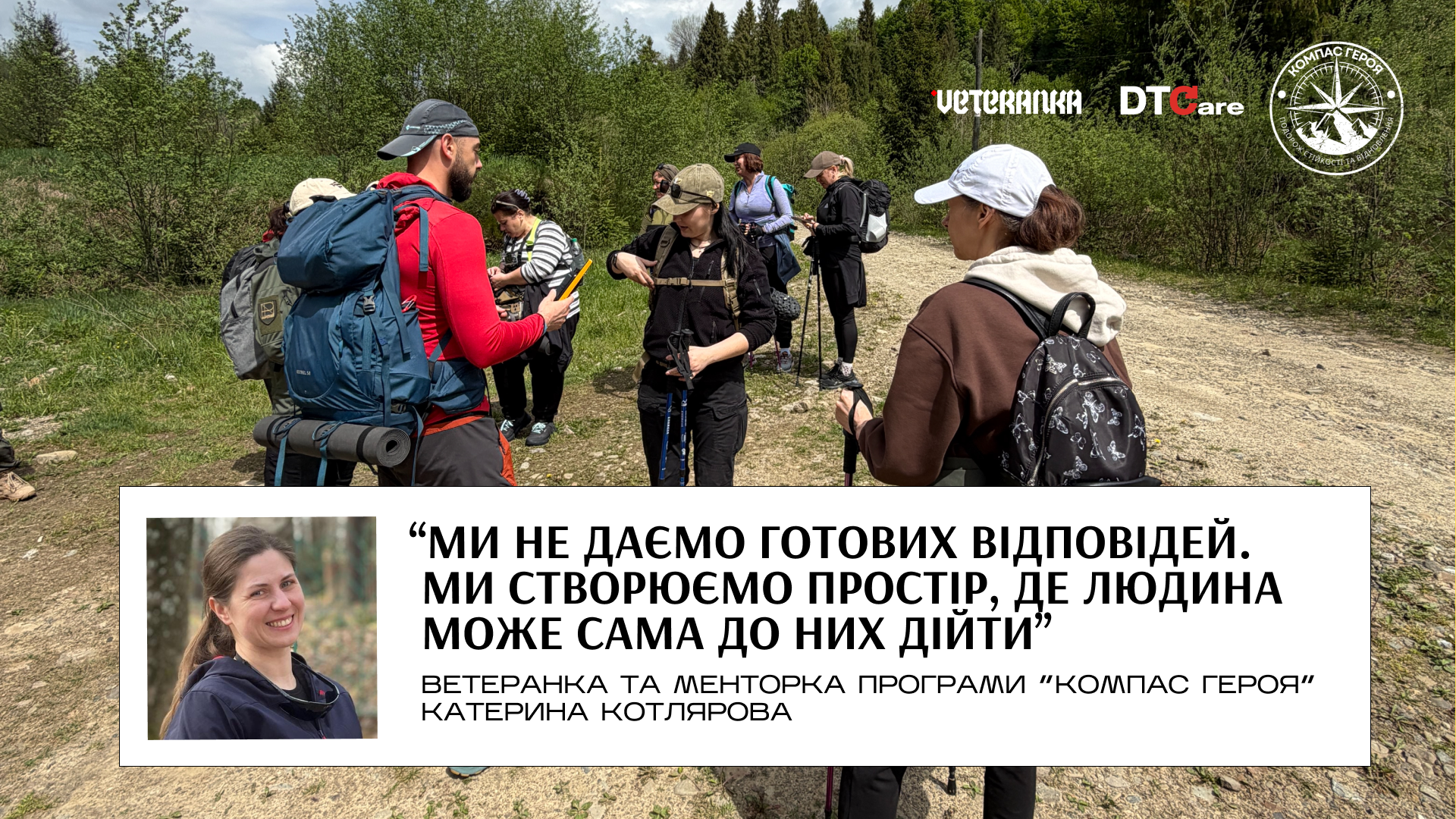
From July 9–12 and July 19–26, a free Hero’s Compass Adventure Counseling Program for women veterans will take place in Truskavets.
The program will be led by a team of experts, including an art therapist, a veteran mentor, and experienced outdoor guides.
The program includes rock climbing, a high ropes course, stand-up paddleboarding (SUP), team-building exercises, and art therapy. Activities may vary depending on the group’s goals, participants’ physical abilities, and weather conditions.
Veteran and Hero’s Compass mentor Kateryna Kotliarova explains what the program looks like from the inside—how each day unfolds, why art therapy is an essential part of the experience, and what the mentor’s role is.
Registration and detailed information about the program are available via the link.
All information you share during this program will be stored in a confidential database and will not be used or disclosed for any purpose outside the Hero’s Compass program.
Every Participant Is Guaranteed Respect, Confidentiality, and the Right to Remain Silent
The first day is mostly about getting acquainted and creating a sense of safety.
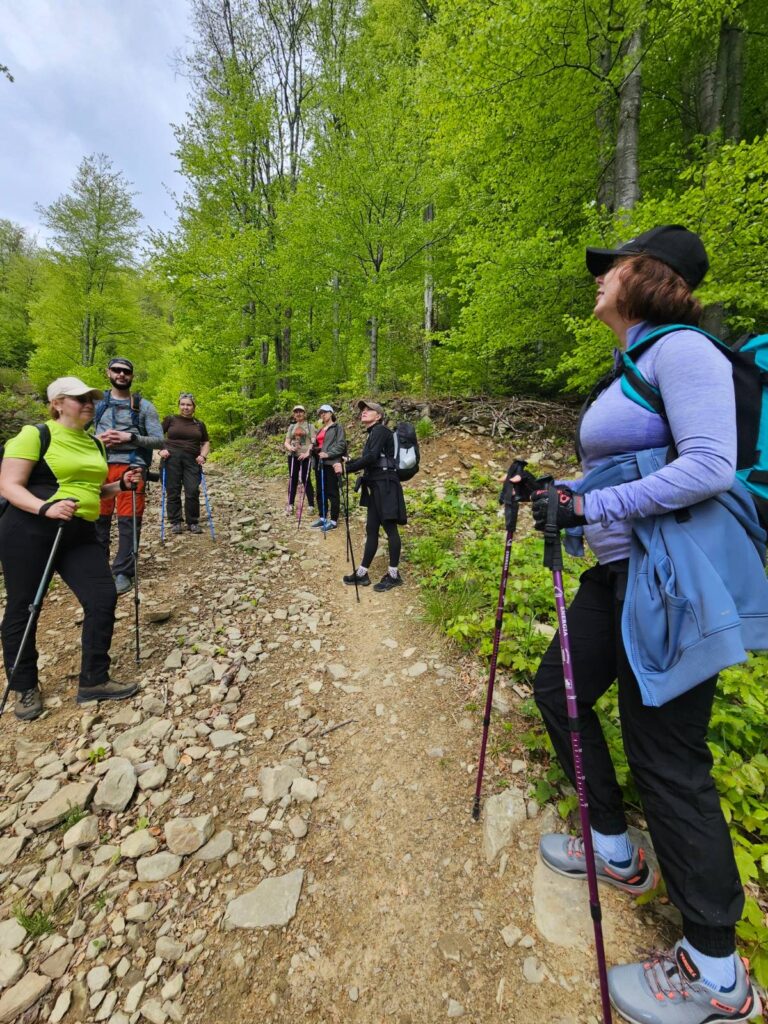
Participants arrive with very different feelings: some are open, some are cautious, and some are still unsure about where they have come. And that’s completely normal.
We do not pressure anyone or expect deep conversations right away. We begin by getting to know each other, explaining the program’s format, and discussing the ground rules.
A very important part of the first day is our values agreement. Together, we decide how we will interact as a group, what respect, confidentiality, safety, the right to remain silent, and the right to opt out of any activity if someone is not ready mean to us.
The first day may also include an introductory art therapy session. It helps participants ease into the process gently, without direct pressure or the feeling that they are being forced to share personal experiences.
After that, each day begins with the group gathering together, checking in, discussing how everyone feels, and whether everyone is ready for the day’s activities.
The main adventure of the day may include rock climbing, the high ropes course, stand-up paddleboarding, or team exercises.
Every activity is followed by a group reflection. What matters to us is not simply completing a physical challenge but understanding what each participant experienced during it. Where was the fear? Where was the support? Where did someone take a step beyond what had previously seemed possible?
Later in the day, participants may take part in art therapy or enjoy more informal conversations.
In the evening, we usually gather again to reflect on the day and talk about what each participant is taking away from the experience. Very often, it is during these evening conversations that the deepest and most honest discussions happen, because by then the group has developed greater trust in one another.
A Mentor Is Someone Who Often Shares the Veteran Experience and Supports Participants Through a Peer-to-Peer Approach
A mentor is not someone who lectures participants or tells them how they should live.
A mentor is someone who understands many things without lengthy explanations.
They help the group engage, support participants throughout activities, offer informal conversations, and simply stay beside someone during difficult moments.
Sometimes a participant feels comfortable telling the mentor something they are not yet ready to share with the psychologist or with the whole group.
The mentor’s role is especially important because they demonstrate that there is nothing “wrong” with you, that your experience matters, and that it is possible to move forward with it.
The Program Includes Several Types of Activities
The program combines art therapy, team exercises, rock climbing, a high ropes course, stand-up paddleboarding, group reflections, and informal conversations.
These activities are not chosen simply for entertainment.
Each serves a specific purpose.
Rock climbing, for example, reveals how a person responds to fear, whether they ask for support or are accustomed to doing everything alone.
Stand-up paddleboarding develops a sense of balance, control, and connection with both the water and oneself.
Team exercises help participants notice how a group communicates, supports one another, listens—or sometimes fails to listen.
All of this follows the T4 model: first trust, then challenge, followed by reflection, and finally transferring new insights into life after the program.
Our goal is not simply for participants to complete activities, but for them to discover something meaningful about themselves.
Art Therapy Is Essential Because Not Everything Can Be Expressed Through Words
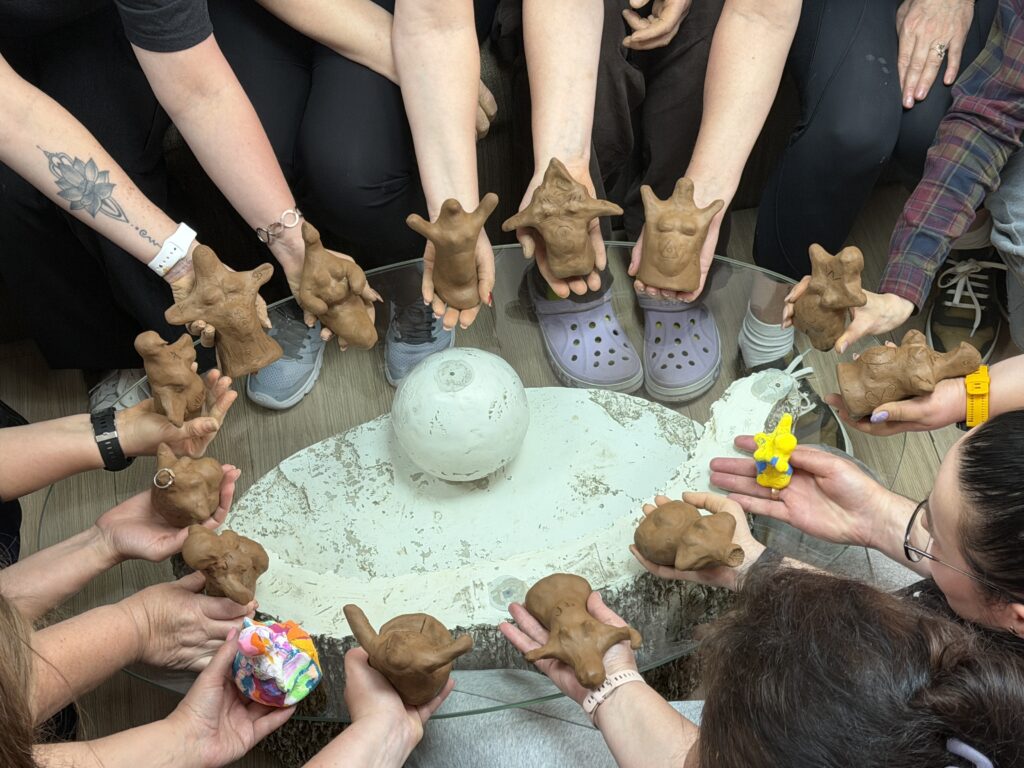
Sometimes it is difficult to explain what is happening inside, but through images, colors, cards, drawings, or metaphors, it becomes gentler and safer.
For example, one of our practices is called “Roads.” It focuses on setting goals and creating a pathway toward them.
It has been one of the most transformative exercises because every participant takes away something deeply personal.
Some discover where they want to move next.
Some realize they already possess the resources they need.
Others simply allow themselves, perhaps for the first time in a long while, to think about the future.
Art therapy is not about creating beautiful drawings.
It is about reconnecting with yourself.
It is about recognizing your emotions, your sources of strength, and your own answers.
Many participants later tell us that it is precisely through these practices that they begin to understand how they want to move forward.
Team Exercises Are About Learning to Work Together, Not Competing
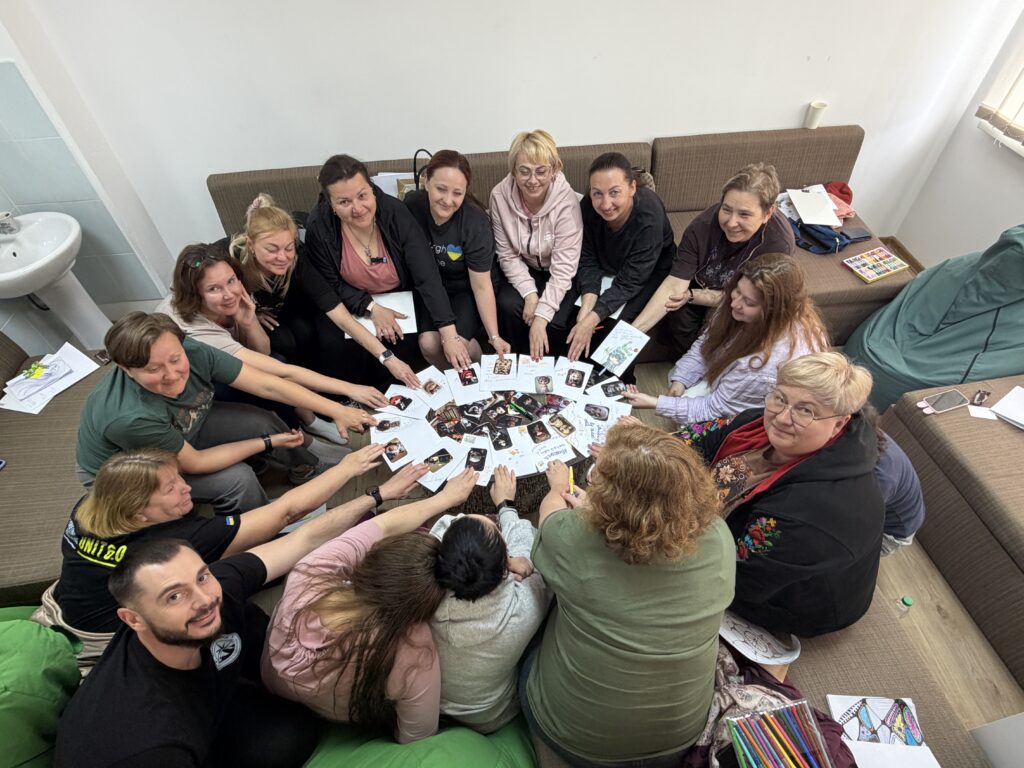
For example, participants may receive a task that must be completed with limited resources.
Not everyone can speak at once. One person has the instructions. Another sees only part of the solution. The group has to learn how to truly hear one another. The goal is not to perform perfectly.
The goal is to notice how we behave within a team. Who naturally takes the lead? Who stays silent? Who supports others? Who becomes overwhelmed? Who is afraid of making mistakes? Afterward, we discuss these dynamics together. Very often, these conversations become the most valuable part of the exercise.
Participants begin to recognize that the way they reacted during the activity closely resembles how they respond in everyday life. That realization opens the possibility for change.
One of Our Core Principles Is “Challenge by Choice”
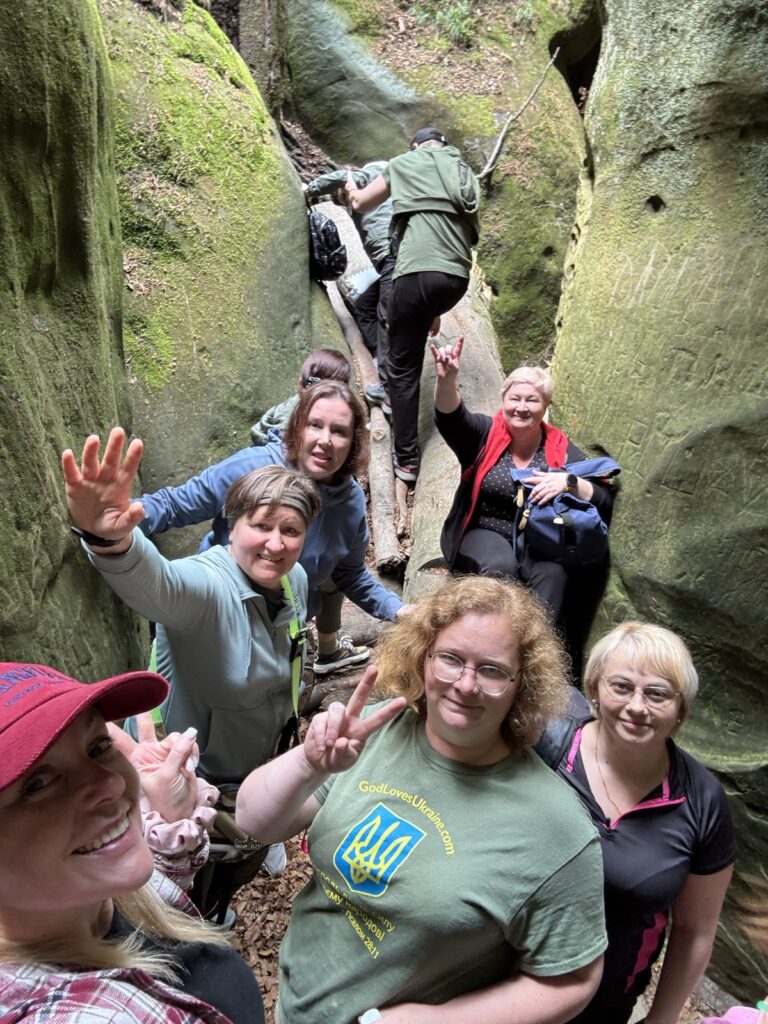
This means we offer a challenge, but we never force anyone to do more than they are ready for. During rock climbing, for example, not everyone is expected to reach the top. For one participant, a major achievement may simply be putting on the climbing gear. For someone else, it may be climbing one meter. For another, trying again and climbing slightly higher than before. Each of these is already a success.
If someone has physical limitations, we adapt the activity. We can modify the route, pace, or participation format, or suggest an alternative. If stand-up paddleboarding is not suitable, we can provide another safe type of watercraft. If physical participation is difficult, the person can still remain actively involved in another way.
For us, athletic achievement is never the goal. What matters is that each participant experiences a safe challenge, genuine support, and retains control over how they choose to participate.
We Intentionally Do Not Overload the Schedule
Especially in the urban format, it is important that participants are able to combine the program with work, family responsibilities, and everyday life. Time spent “doing nothing” actually has value. During those moments, participants can simply enjoy the silence, talk to one another, have coffee, laugh, rest, and process everything they have experienced. Very often, trust and lasting friendships emerge during these informal moments.
We do not want to overwhelm people. The program is meant to restore energy, not drain what little remains.
The Final Day Is About Closure and What Participants Take With Them
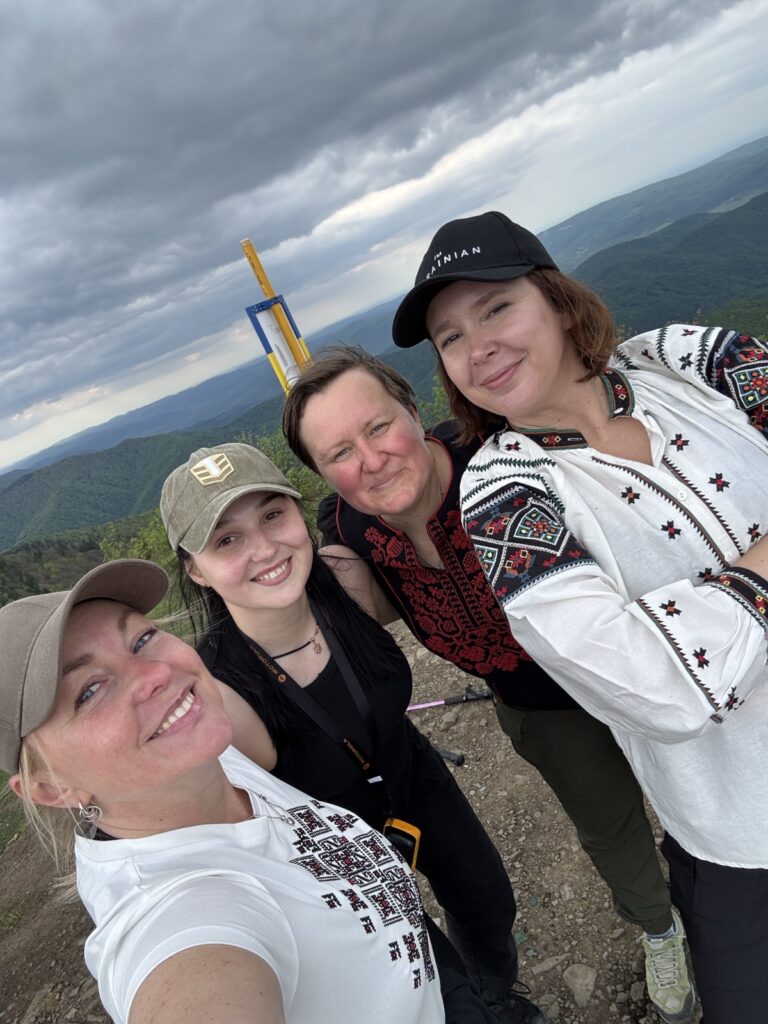
There may be one final shared activity, such as stand-up paddleboarding or another team challenge, followed by a final debriefing. We talk about what has changed over the past few days, what felt important, what was difficult, and what each participant has discovered about herself.
This is not simply a summary of the program. It is an opportunity for participants to recognize how far they have come in just a few days. By the end, the atmosphere is often incredibly warm. The women are no longer simply participants—they have become a group. They exchange contact information, support one another, joke together, and make plans to meet again.
For us, this is also a success, because one of the program’s main goals is to help people feel that they are not alone.
The Greatest Change We Witness Is the Gradual Emergence of Trust
On the first day, participants may be reserved, cautious, and emotionally guarded. By the second or third day, there is more laughter, more conversation, and a greater willingness to try new things. One of the moments that stays with me most is when someone initially says, “I can’t do this,” and then takes a small step anyway.
For example, during rock climbing, she may climb only a little at first, then try again, and then go just a bit higher. The point is not how high she climbed. The point is that she realizes for herself: I can. I can be afraid and still choose to try.
In their feedback, participants often say that they were able to emotionally reset, feel that they were not alone, and find answers within themselves. That is incredibly meaningful to me. We do not provide ready-made answers. We create a space where each person can discover those answers for herself.
The Program Continues to Evolve and Adapt
We have been working with veterans for three years now, and every group is different. We pay close attention to the group’s needs, participants’ physical condition, weather conditions, and their readiness for different activities. For example, if we see that the group needs more time for conversation, we create more space for discussion. If an activity is not appropriate, we replace it.
This happened with both the climbing wall and the high ropes course, where we partially adjusted the format, and the changes proved effective. For us, preserving the exact list of activities is not what matters most.
What matters is preserving the heart of the program: trust, a safe challenge, group support, reflection, and a gradual transition into life after the program.
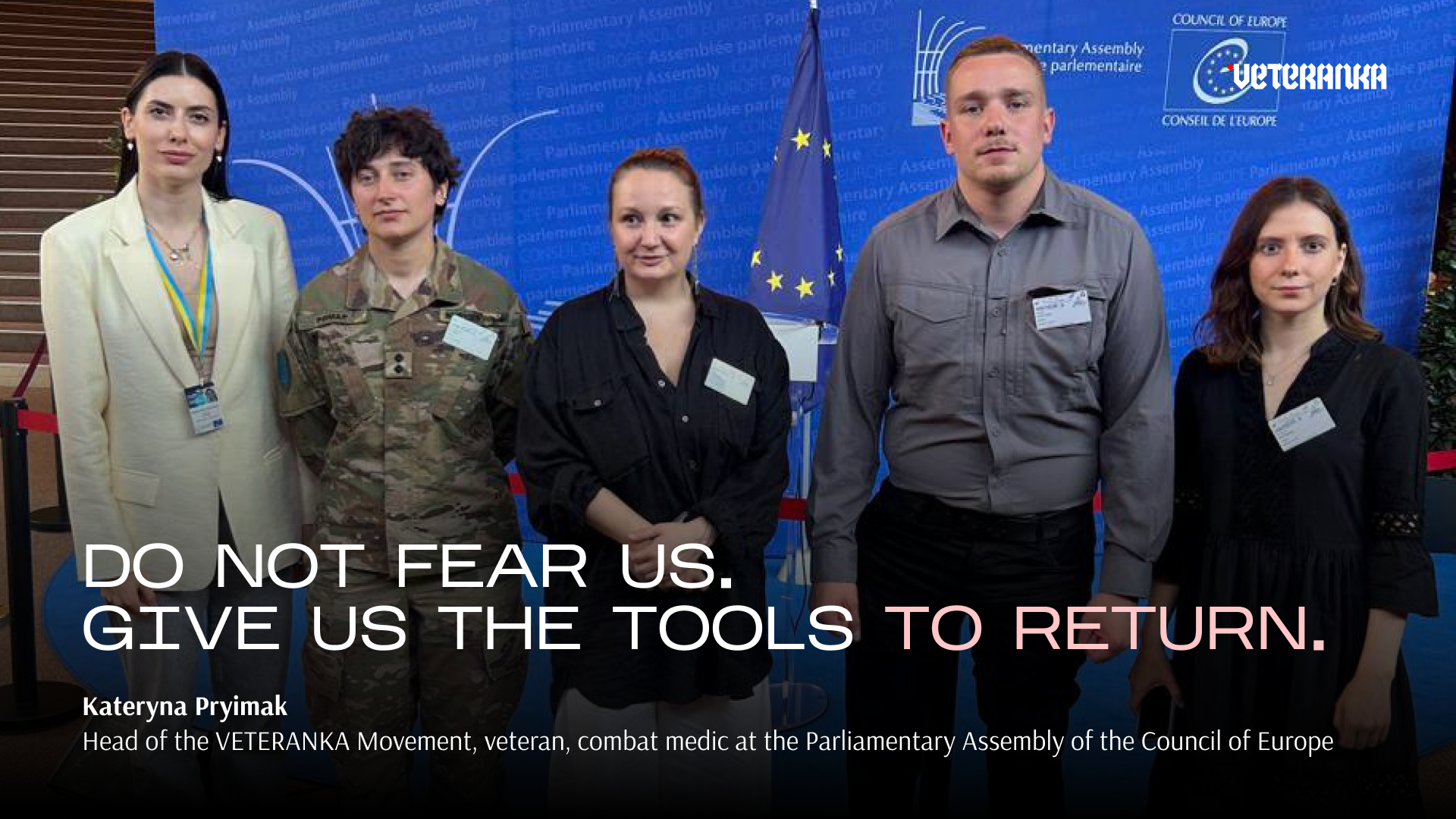 "Do not fear us. Give us the tools to return"
  “Life does not end after service — it becomes different”
  We strengthen evacuation efforts on the most difficult sections of the front and delivers the unique robotic complex “Maul”
  “I am not a girl here, but a servicewoman”