An art historian who became a combat medic, mastered drone repair, FPV drones, 3D printing, led international recruitment, and coordinated a major educational project
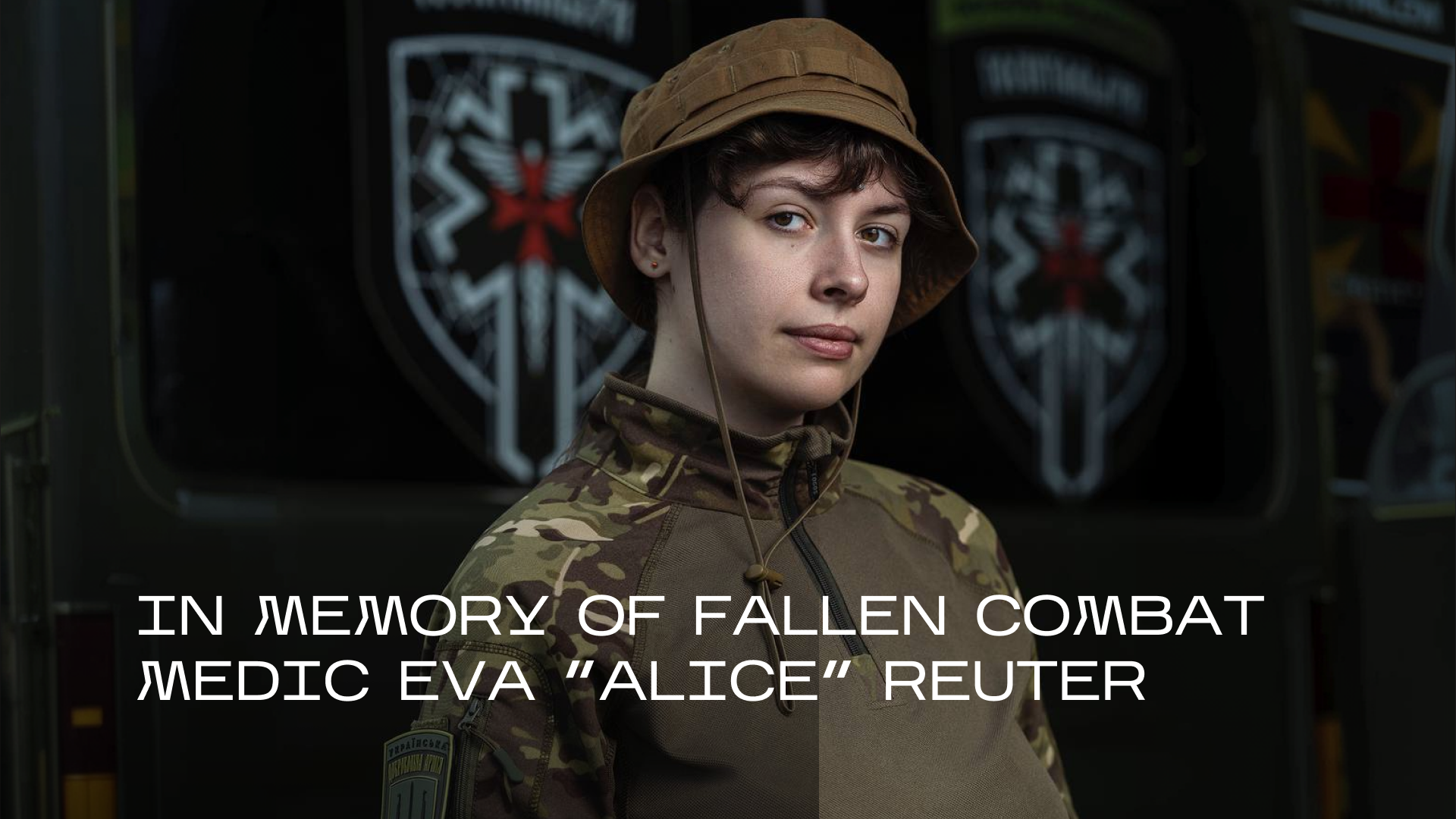
Eva “Alice” Reuter was a 25-year-old combat medic with the Hospitallers Battalion who was killed on the night of August 1, 2026, in Kyiv as a result of a second missile strike while rescuing those injured.
Before the full-scale invasion, she was an artist, studied in the Department of Art History, and worked in game development. In November 2022, she joined the Hospitallers, and from January 2024, she developed the engineering branch of the 25th Brigade’s unmanned aerial systems unit.
We thank her friend and fellow sister-in-arms Sonya, who told us about Eva.
Eva Reuter was an artist and art historian who graduated from the National Academy of Fine Arts and Architecture. Before her military service, she worked in game development and as a tattoo artist.
She participated in human rights and environmental initiatives, helped animals, and joined the “Veterans Are Different. Victory Is One” campaign.
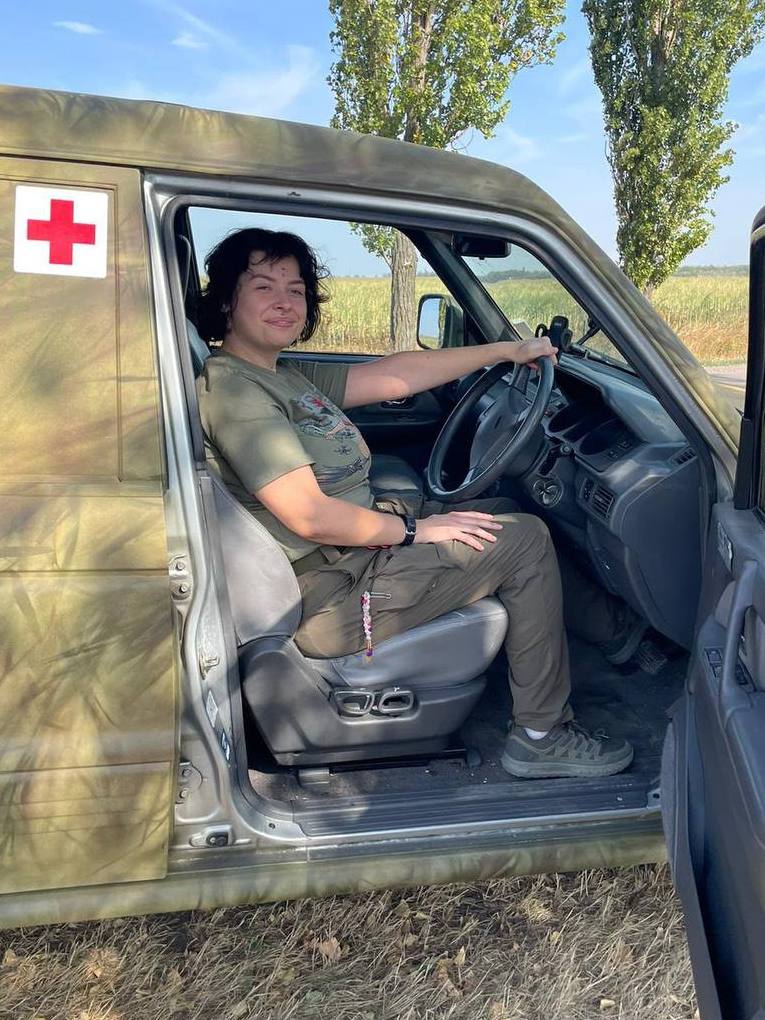
In November 2022, Eva joined the Hospitallers Battalion. She evacuated wounded people from combat zones, worked at stabilization points, and was involved in medical support.
The combat medic went as part of a medical crew to the sites of Russian attacks in Kyiv. On August 1, 2026, she was killed during such a deployment as a result of a second Russian strike.
From January 2024 until the summer of 2025, Eva worked in the 25th Brigade’s unmanned aerial systems unit and participated in developing its engineering formation. She coordinated recruitment, international communications, organizational processes, electronic personnel records, documentation, and cooperation with volunteers, partners, and the media.
She also worked on creating the social media presence, name, visual identity, and emblem of “Hnizdo.”
The defender was involved in recruiting foreign volunteers — she was the main English-speaking communicator between them and the unit’s command.
She accompanied the full recruitment cycle, from searching for candidates to signing contracts and communicating with the command. After they were enlisted, Eva continued to support the foreign volunteers during training at the drone school, crew coordination, and work at positions.
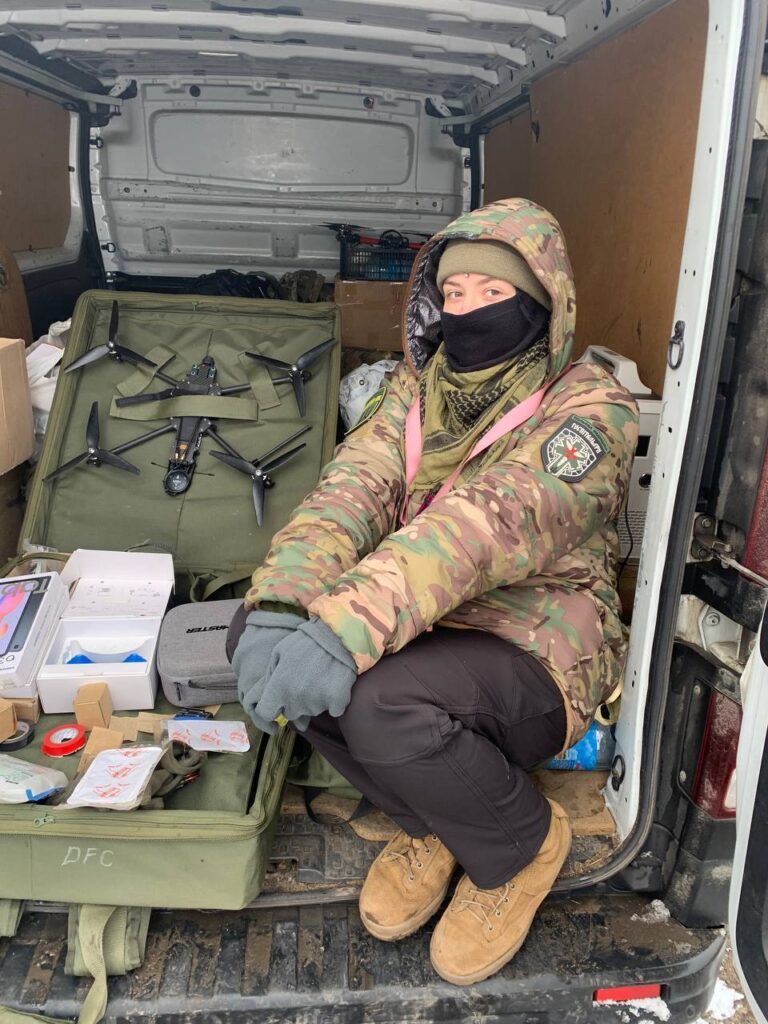
Eva independently learned how to assemble FPV drones and repair DJI Mavic drones. She supported the development of unmanned and robotic systems for combat missions, logistics, remote mining, and the evacuation of wounded people, including at a time when some of these technologies had not yet been widely implemented in the military.
The servicewoman also mastered 3D printing and manufactured components for her own and other military units.
In addition, Eva coordinated the UFO (Unmanned Flying Object) project to translate and adapt the Victory Drones course for an English-speaking audience, in order to prepare foreign volunteers even before their arrival in Ukraine.
She formed a team of translators and editors, coordinated their work, translated materials herself, and organized English-language voiceovers for video lectures using AI tools. At the time of her death, the project remained unfinished.
Alongside her engineering work, Eva performed the duties of the unit’s medic: she organized the provision of first-aid kits and medical supplies and provided consultations to service members.
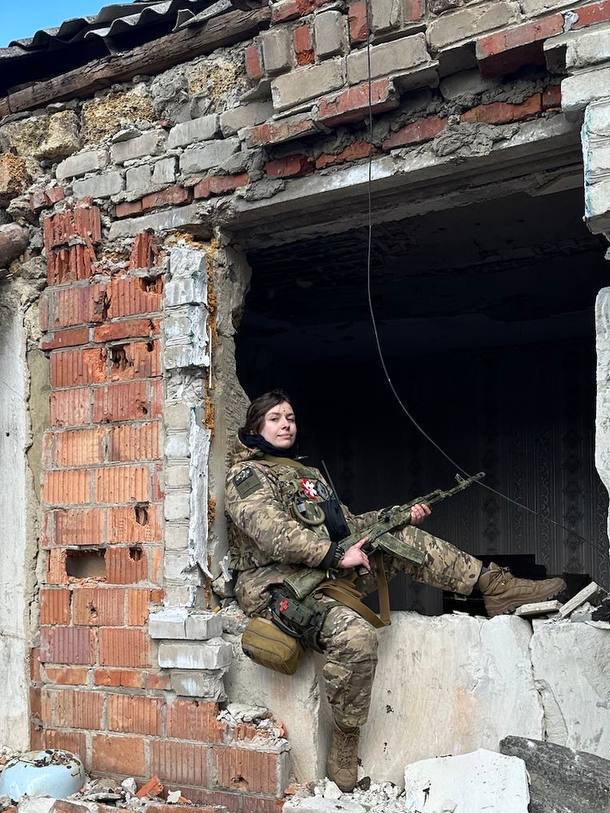
According to the recollections of people who knew her, Eva was open and direct, had a sharp mind and a sense of humor, and could combine professional high standards with warm, informal communication.
Her friend Sonya says that she helped people find their path in military service and develop professionally.
“Her special quality was her ability to quickly master completely new fields. An art historian was able to become a combat medic, master drone repair, FPV drones, 3D printing, conduct international recruitment, and coordinate a major educational project. She was a person who did not simply see a problem — she tried to find a way to solve it,” recalls the fallen defender’s fellow sister-in-arms.
Her fellow service member Til calls Eva one of the kindest and most devoted people he had ever met, and a person who improved the projects and systems she became involved in.
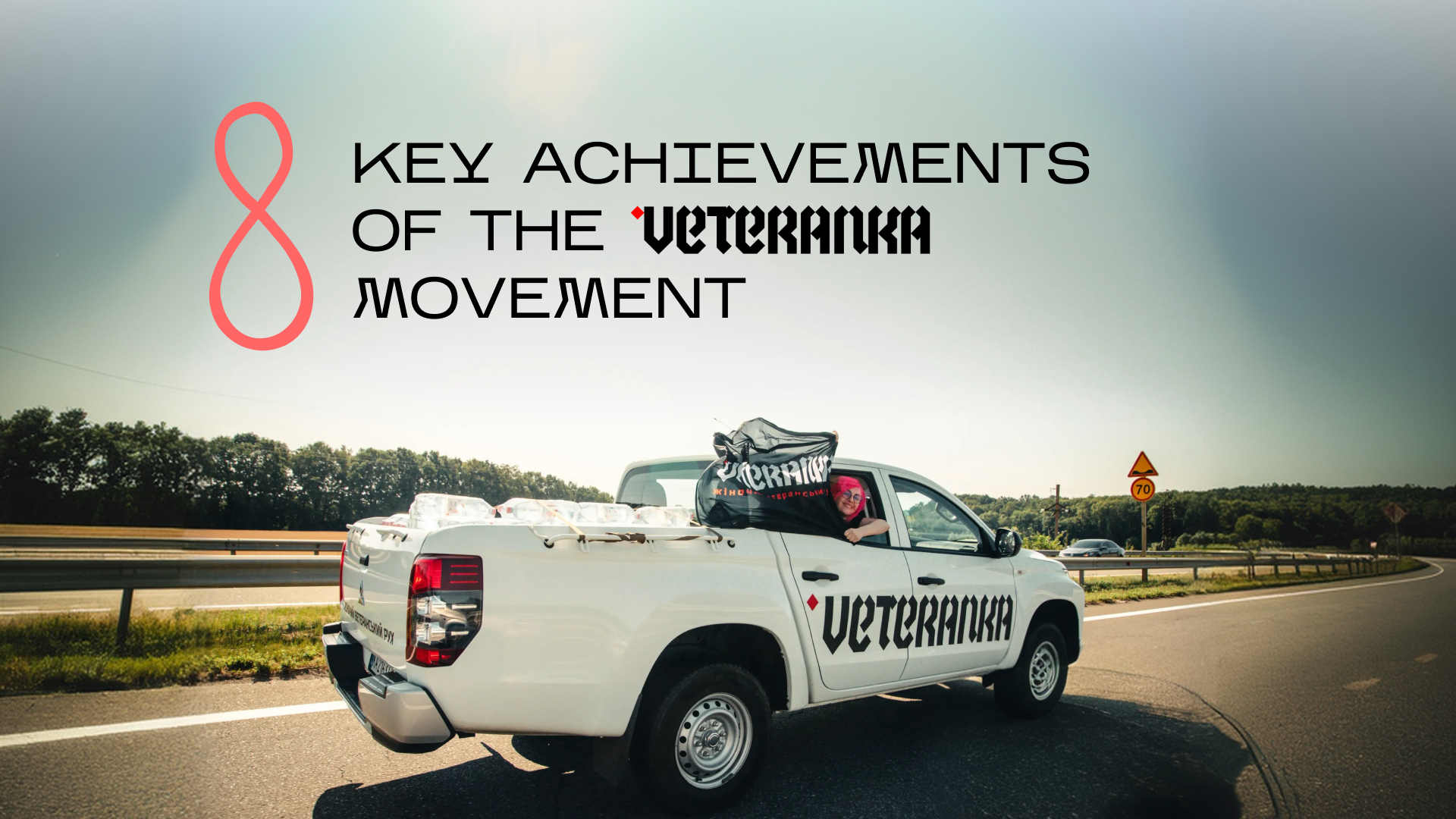 To Mark the 8th Anniversary of the VETERANKA Movement
 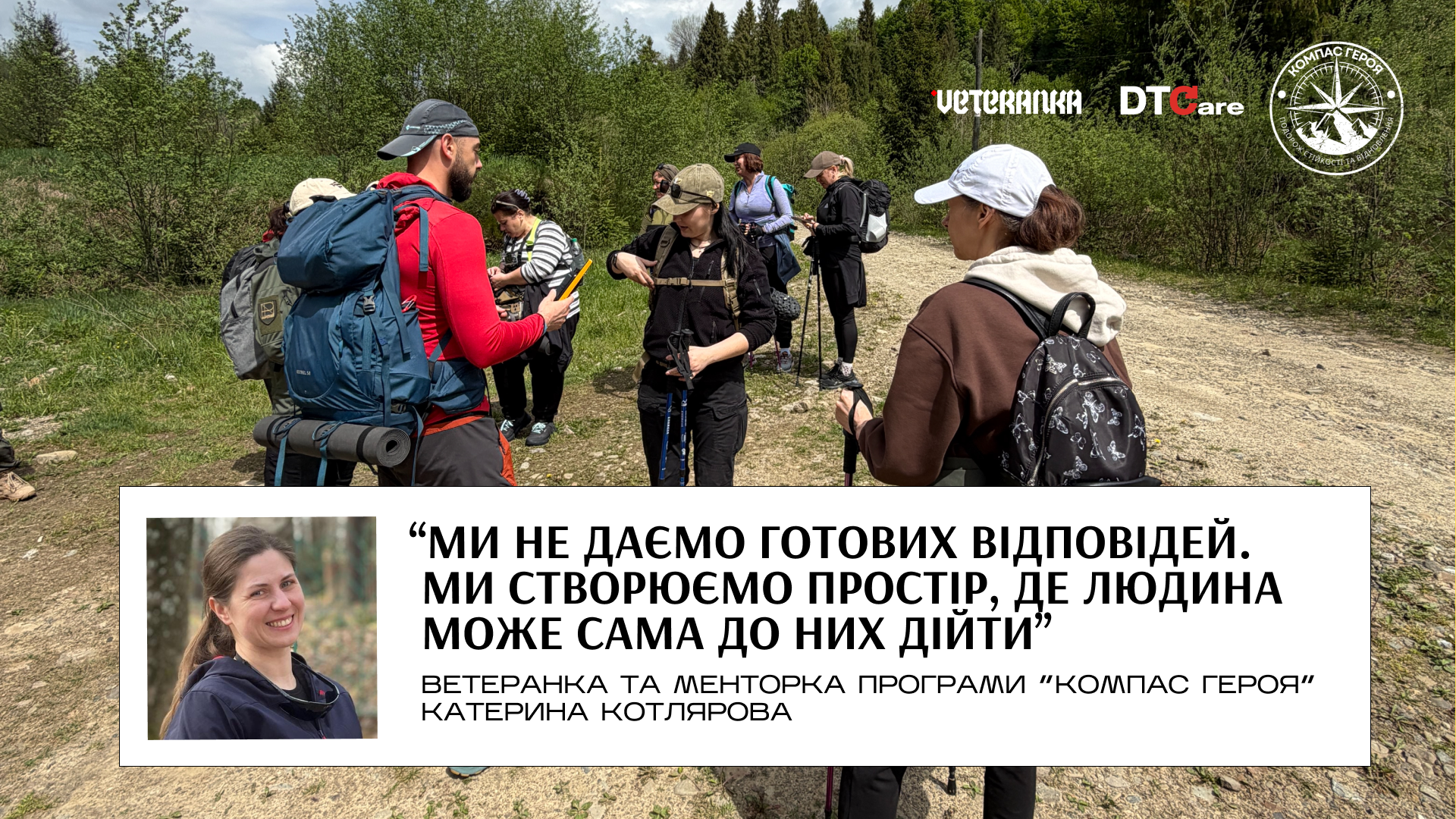 What Awaits Participants of the Hero’s Compass Adventure Counseling Program
 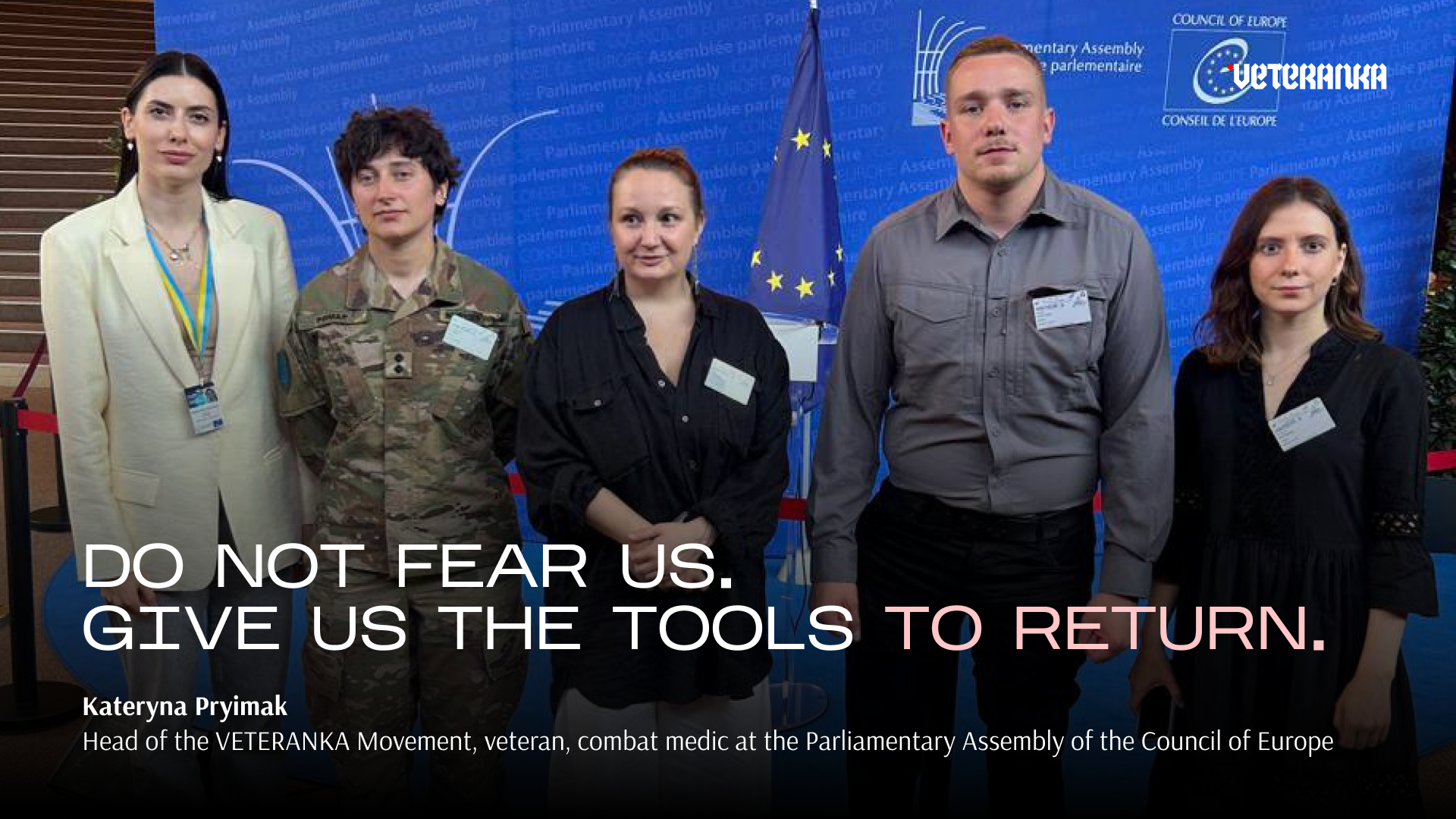 "Do not fear us. Give us the tools to return"
  “Life does not end after service — it becomes different”