Captivity. Adapting to Captivity

According to the accounts of defenders themselves, the worst consequence of combat for a soldier is captivity. As of the end of June 2023, the National Information Bureau reports that 126 women are held in Russian captivity. Among them are 46 military personnel and 80 civilians. In certain situations, falling into the hands of the enemy is considered worse than death. The adversary seeks to obtain the maximum amount of operational information, often disregarding the concept of “human rights” and resorting to torture. Those who conduct interrogations use all available means to extract confessions from the captives, who rely on their physical training and, to a greater extent, their strength of will to avoid disclosing vital information. In this article, we will explore the psychological stages that a person goes through when taken captive and provide guidance on how to act in such a dire situation, as shared exclusively by military psychologist Kateryna for Veteranka.
It is important to know and remember the main rule in captivity – SURVIVE!
One of the most critical moments occurs immediately after being taken captive. It is in those first few minutes that the captors decide whether the prisoner lives or dies. Therefore, psychologists advise initiating a conversation with potential captors because it is much harder to kill someone you have just spoken to. Speak in a calm tone, without active hand gestures, and with friendly intonations. When questioned, provide as little information as possible, avoid making suggestions, and refrain from emotional responses. Do not attempt to convey your feelings toward the kidnappers through facial expressions or gestures. Remind yourself that the most important thing right now is to react effectively in order to survive.
There is no need to try to move the militants with stories about children or sick parents (they only recognize the cult of strength, bravery, and courage), so do not expect kindness from them. Those who show weakness or fear may be shot immediately, as in their beliefs, the weak and timid have no right to exist.
It is important to try to establish contact with those around you (other captives, guards, supervisors) and closely observe everything happening around you. The captor should perceive the captive as someone uneducated and not very agile so that he can be sure not to expect any trouble from you.
The best defense during interrogation is to show a sense of military duty, silence, self-belief, faith in one’s self, one’s army, country, family, and religion. The enemy will attempt to persuade you to cooperate even during preliminary interrogations. Try to create the impression that you do not possess any crucial information.
Every serviceman or woman must know that captivity is a stressful situation with its own psychological patterns and corresponding stages of adaptation to captivity.
There are 6 main stages in the reaction and adaptation to captivity:
1) The stage of initial reactions, which lasts from a few seconds to 15 minutes, where all actions are aimed at preserving one’s life. Typical initial reactions include a desire to escape, uncontrollable trembling, and confused thinking. If there is no immediate threat (if captors are not watching you), do not suppress physical stress reactions such as trembling. Your body is trying to cope with the shock.
2) The stage of acute psychomotional shock with signs of hypermobility. It lasts from 3 to 5 hours and is characterized by overall psychological tension, heightened perception, and displays of extreme courage. It’s during this period that panic reactions, which can affect those around you, are likely. Feelings of despair dominate, accompanied by dizziness, headaches, increased heart rate, thirst, and rapid breathing. Common thoughts include “This can’t be happening” and “We will be rescued soon.” Captivity can be lengthy, so it’s essential to maintain hope but be prepared for protracted trials. How you cope with stress in the first few minutes/hours can provide you with additional inner resources. Do not demand too much from yourself. Always acknowledge small achievements: “I have controlled my trembling,” “I can breathe and think,” “I have the opportunity to rest.”
3) The stage of psychophysiological demobilization lasts up to 3 days. During this time, the captive begins to comprehend the scale of the tragedy. This period is marked by reactions to fear of noise or sudden movements, a tendency to think of the worst-case scenario (catastrophizing), a significant deterioration in well-being and emotional state, panic reactions, a refusal to engage in any activity, and motivation to do anything. Depressive tendencies emerge, and attention and memory functions are disrupted. Do not demand too much from yourself. Every person is different and has a different life experience. Your task is to survive. Even under these conditions, you can make internal decisions.
4) The “unwinding” stage lasts from 3 to 12 days. The well-being of the victim depends on the specific impact of extreme factors, defeats, and the moral and psychological situation after tragic events. During this period, there are noticeable disruptions in sleep and appetite, slowed movements, gradually stabilizing mood and well-being, although the emotional tone remains low. Physical and mental performance indicators significantly decrease. Focus on what helps you orient yourself – sounds, their nature and sequence, space, the number of people being held. Anything that helps strengthen your sense of control and doesn’t cause additional suffering. Use the opportunity to rest.
5) The “recovery” stage of psychophysiological state begins in the third week. Interpersonal communication becomes more active, emotional speech normalizes, and humor begins to appear. It is essential to find support – an inner sense of purpose that gives you the strength to look ahead. Be bold in your dreams: if you can survive in captivity, you can handle anything when captivity ends.
6)At the final stage (after a month), 1/5 of the captives experienced persistent sleep disturbances, unfounded fears, recurring nightmares, and intrusive thoughts. 1/4 of the captives developed symptoms of gastrointestinal, cardiovascular, and endocrine system disorders. External and internal conflict increases.
In the final stage of adaptation, the decision is made to gain some control over your life and use your time and limited resources constructively. People who have spent a lot of time in captivity usually have effective fear management skills and find effective behavioral models.
The publication was released as part of the UN Women project “Transformational Approaches to Achieving Gender Equality in Ukraine,” with the support of the Office of the Vice Prime Minister for European and Euro-Atlantic Integration of Ukraine and funding from the Government of Sweden.
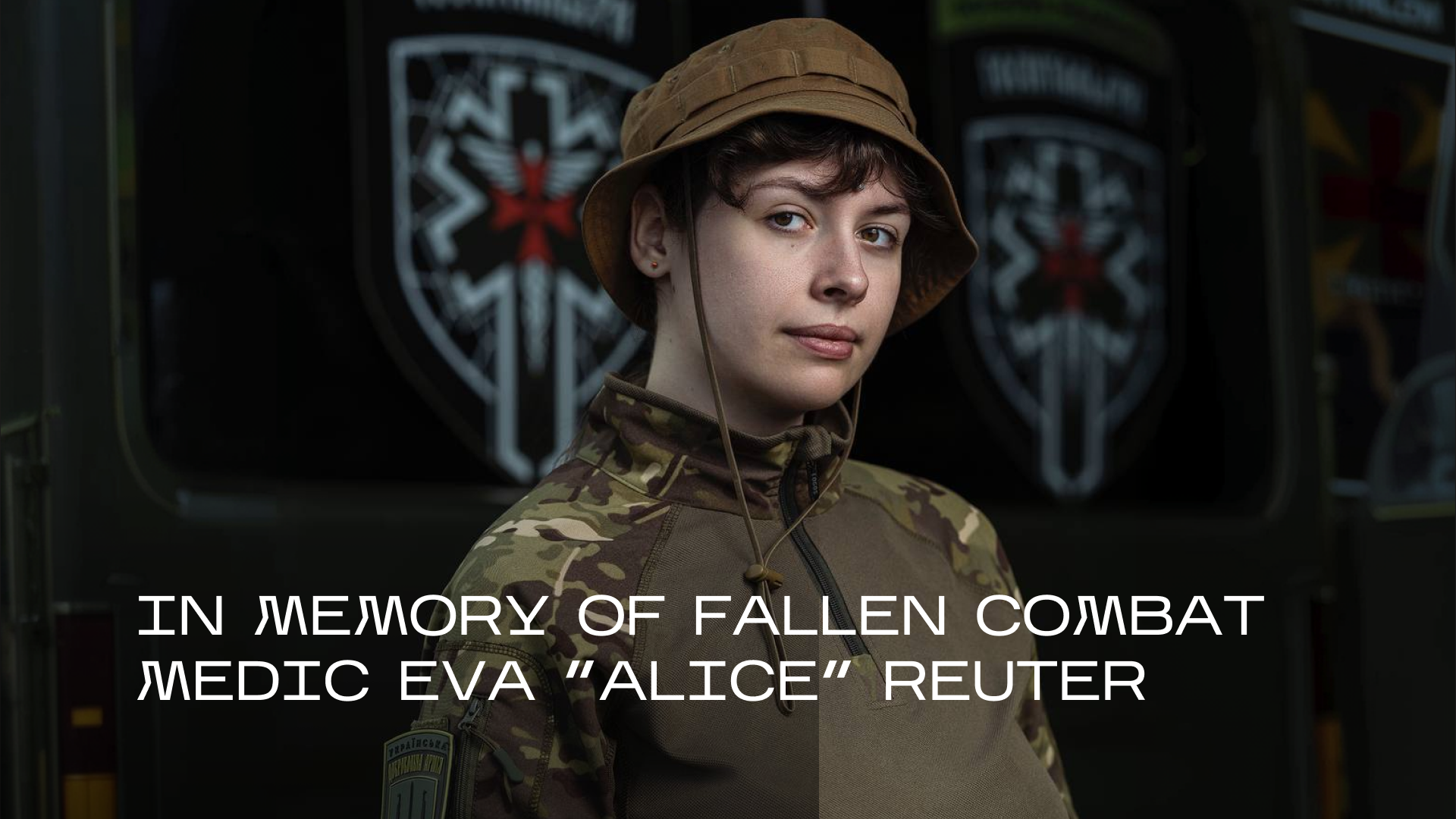 An art historian who became a combat medic, mastered drone repair, FPV drones, 3D printing, led international recruitment, and coordinated a major educational project
  To Mark the 8th Anniversary of the VETERANKA Movement
 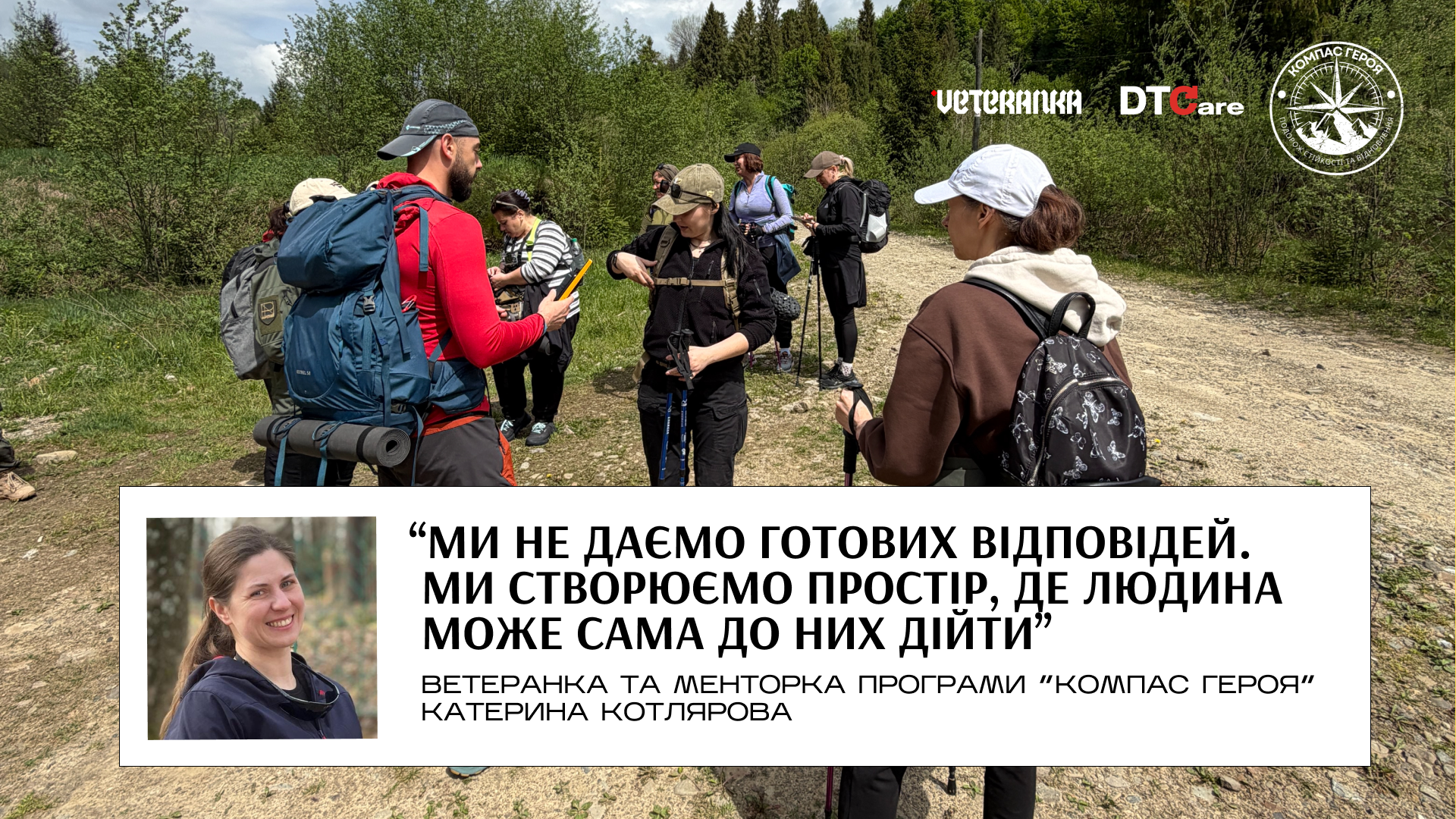 What Awaits Participants of the Hero’s Compass Adventure Counseling Program
 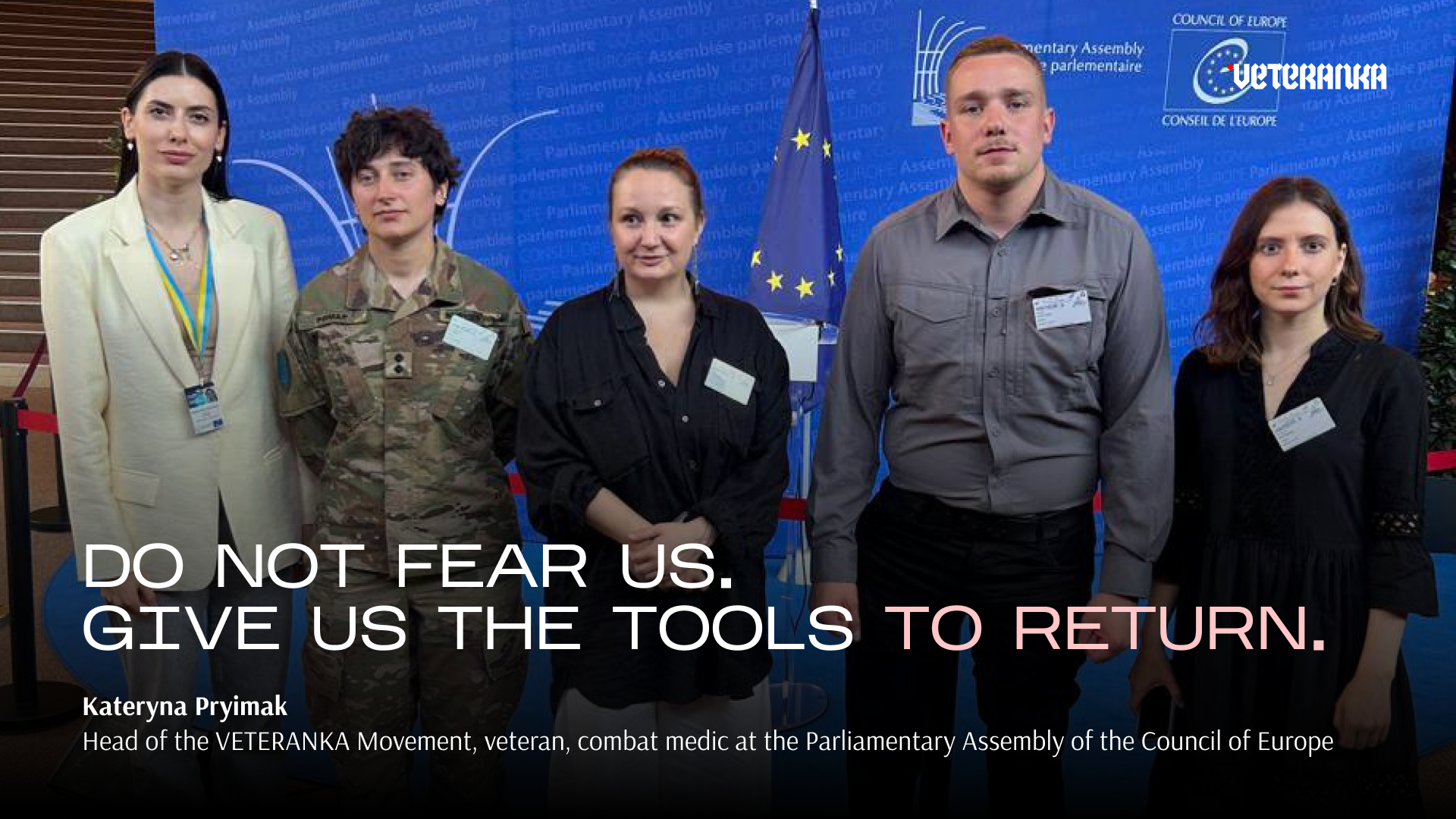 "Do not fear us. Give us the tools to return"
  “Life does not end after service — it becomes different”