DEATH IN WAR

Death in war causes anger, sadness, emptiness, guilt, resentment, fear, shame, irritation, disappointment, or a combination of these feelings. It’s important to understand: every emotion is normal in such a difficult situation.
Joining forces with the defenders of Ukraine during a full-scale invasion does not always mean dying, but is often associated with war and death in the minds of the majority of civilians.
Death in war is different from the natural end of life (from old age or long illness).
The death of the soldiers cannot be explained by anything, it cannot be justified, and more so, turned back.
Men and women on the front line do dangerous work every day and know that they could die at any moment. However, adrenaline overcomes fear, and a carefully selected team provides them with support, gives a sense of security, which allows them to perform tasks efficiently and quickly.
Only when a brother(or sister) in arms dies, does the deep realization that “it could have been me” come.
Such a loss is very different from other types of losses, because a team was already formed, the fighting spirit of the unit, and professional actions “tuned” to one another. Together, they experienced all the troubles and happy moments of military life and everyday life. Such relations cannot be recreated under any other conditions, it is a special bond.
The death of a brother(sister) in arms often causes “survivor’s guilt” (why him/her, and not me?). In such cases, a soldier experiences grieving along with aggression towards himself. Anger may lead to a desire for revenge. The best way out of this state is to continue to carry out the combat tasks to the best of one’s ability, to bring our victory closer, because the fallen comrade would definitely not want you to do reckless hasty actions, but to professionally destroy the enemy in accordance with the set goals.
Each subsequent stage of accepting grief due to the loss of a person to whom you were close is a difficult process, but at the same time, it is the right one.
An important element of accepting the death of a friend is saying goodbye. It is expedient for the command to provide the closest entourage of the fallen soldier with the opportunity to attend the funeral. This will help comrades to realize the loss, pay their last respects, say goodbye and find mutual support with the relatives of the fallen hero. Fighters often miss this moment, because they are afraid of judgmental views and, in their opinion, inappropriate questions from family and friends (this leads to containerization of pain, which can simply “explode” at a certain moment). However, in most cases, at the burial of a brother(sister) in arms, people find another family with whom they will maintain a strong connection for many years to come.
It is important to discuss the details of how the death happened and the feelings it brought, with the relatives of the deceased. This is the way to eliminate the fear of the family’s reaction and judgment, which makes it possible to accept and mourn a loved one.
It is also important to thank the parents for the correct patriotic upbringing of their son (or daughter), for the time spent together, and for those moments of joy or sadness lived through together.
It is normal to talk about your pain with another person, it is a way to live through it. The listener can be not only the psychologist of the unit or the combat stress control group but also another comrade. And it is not necessary for them to be familiar with the deceased, – it is much more important for you to can trust them with your thoughts and feelings.
How to properly support the family and friends of the deceased:
1. Don’t avoid talking about death. It shows your fear, not a concern.
2. Offer all types of help.
3. Tactile contact is important: through touch – a handshake or a hug.
4. Don’t suggest to “pull yourself together”, “calm down”, “don’t cry”, etc. – people should show their emotions and not feel guilty for how they express those.
5. Be honest! Replace “I’m very sorry” with “I don’t know what to say to you. But I’m here for you.” Express your sincere emotions. Instead of a dry “I sympathize”, say something like “I share the pain of your loss”.
6. Stay near. Your presence can be more healing than a thousand words.
Only after accepting the loss, we can understand the heroism of the act. Ukrainian military personnel do not wear superhero capes, but they have such qualities as courage, determination, bravery, nobility, and the ability to sacrifice oneself in the name of another person or an important idea!
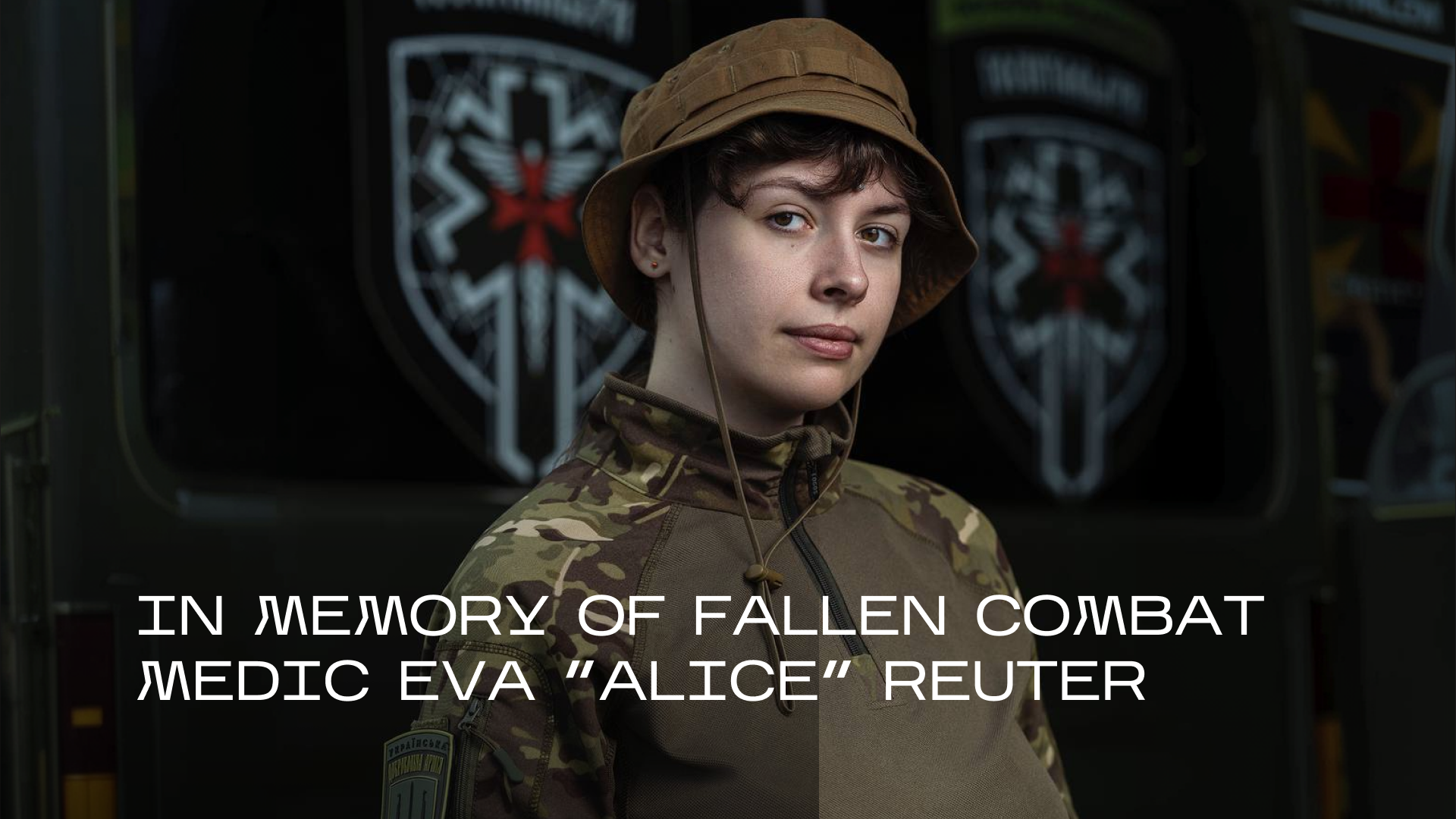 An art historian who became a combat medic, mastered drone repair, FPV drones, 3D printing, led international recruitment, and coordinated a major educational project
 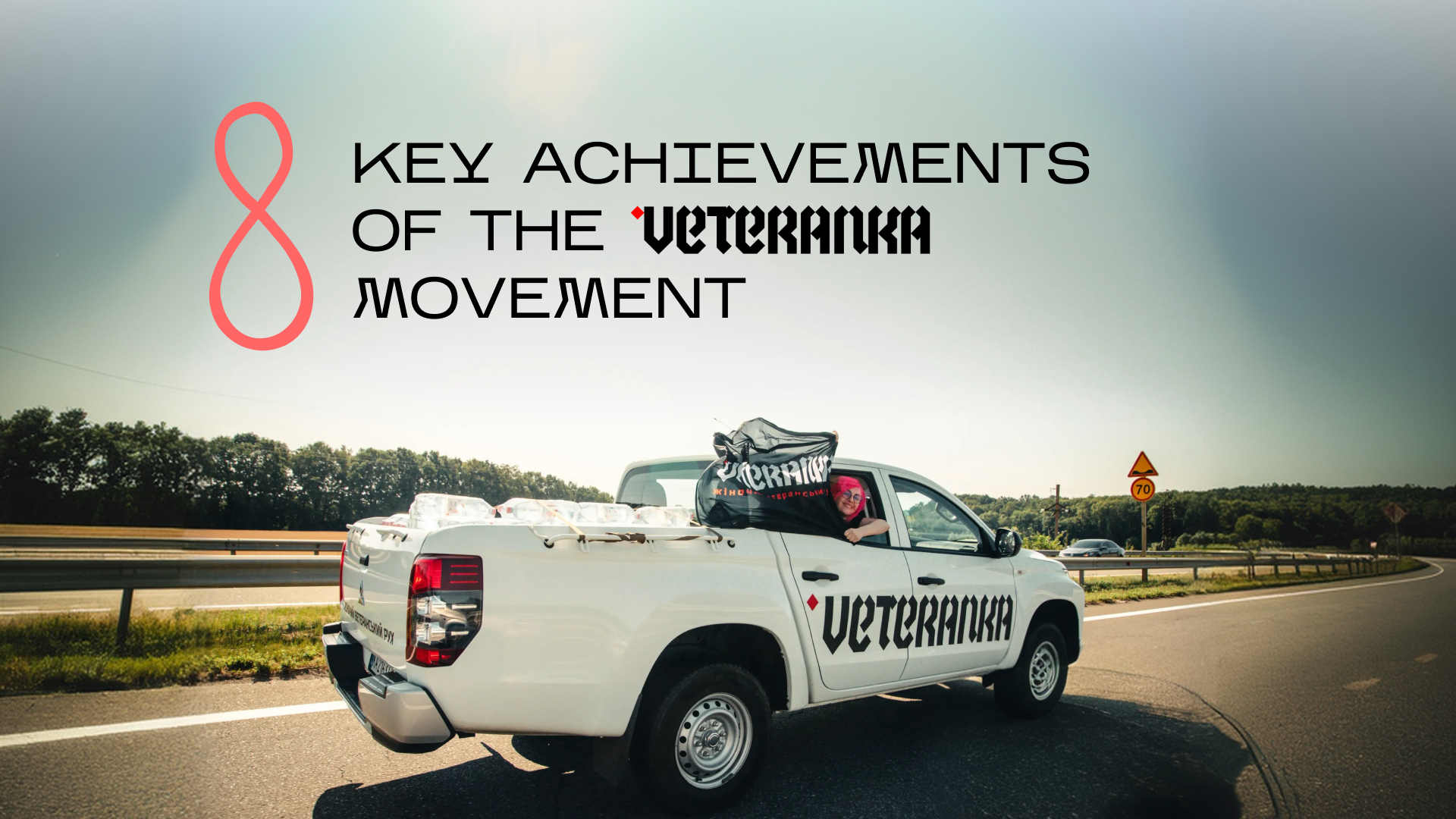 To Mark the 8th Anniversary of the VETERANKA Movement
 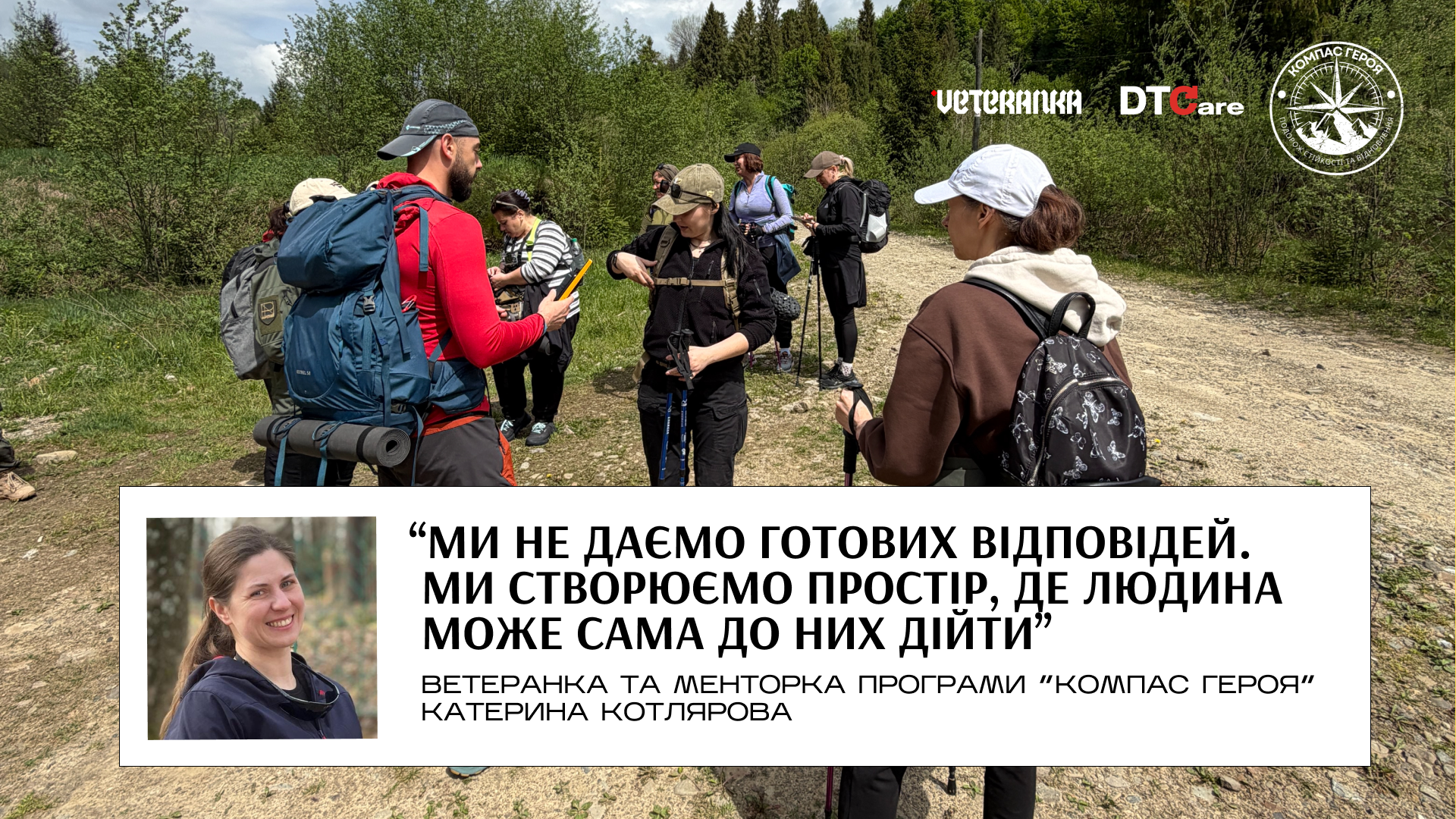 What Awaits Participants of the Hero’s Compass Adventure Counseling Program
 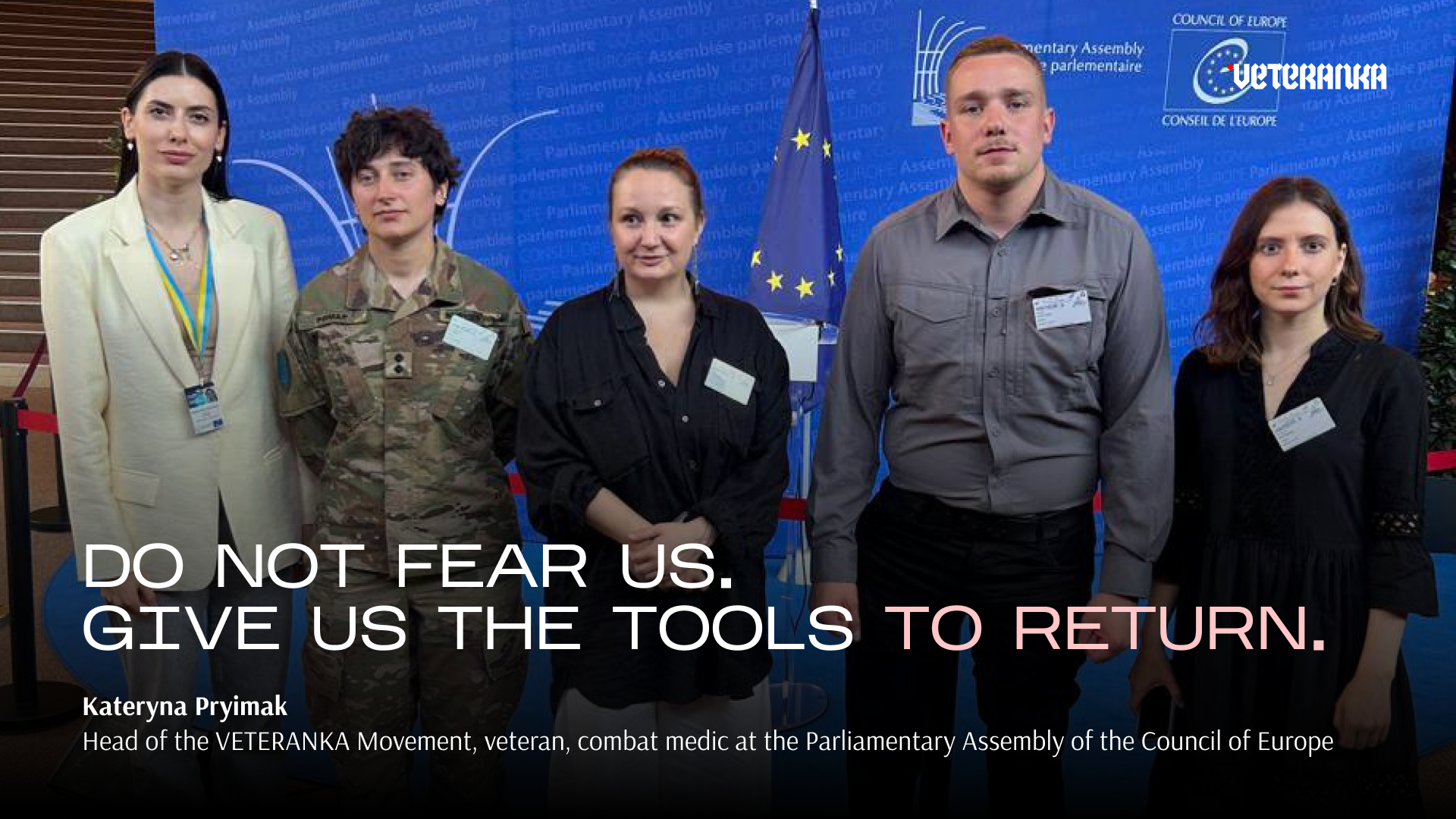 "Do not fear us. Give us the tools to return"
  “Life does not end after service — it becomes different”