Emotions in loss

A traumatic experience affects all aspects of life and the body’s systems. A person can experience trauma by being a participant or a witness to a stressful or threatening situation.
Psychological trauma manifests in many ways, including emotional responses. These may include:
- Irritability
- Anger
- Aggression
- Anxiety
- Fear
- Apathy, depression, etc.
Emotions serve as indicators that signal our internal state. Learning to recognize and acknowledge them is essential rather than ignoring these signals. Suppressed emotions—those we do not express—can impact the body and disrupt its normal functioning.
How the body responds to emotions
Emotions can have a direct impact on the body, leading to:
- Sleep disturbances
- Changes in appetite (increase or decrease)
- Gastrointestinal issues
- Muscle tension
- Headaches
- Pain in the neck, back, and other areas
Emotions can also affect our ability to communicate with others, including family, friends, and colleagues. Sometimes, there may be a strong urge to isolate oneself and withdraw from social interactions. Occasional isolation is normal, but if it persists for an extended period, it’s important to pay attention to it.
Experiencing emotions is completely normal—as long as they do not harm you, others, or interfere with daily life. For example, prolonged emotional distress may lead to neglect of personal hygiene and health, while irritability and anger can make it difficult to perform work responsibilities.
Here’s a polished and professional translation of your text:
The importance of self-reflection
It is essential to ask yourself: What am I feeling right now? How do I experience this emotion? How does it manifest in my body, and how does it affect my ability to function—caring for myself and my loved ones, performing work tasks, and interacting with others?
Some emotional challenges can be managed independently. To do so, it is important to:
- Take care of your physical well-being (nutrition, sleep, health)
- Maintain a supportive social circle
- Engage in activities that provide stability (physically or financially)
- Nurture your spiritual well-being (values, beliefs, interests, hobbies)
- Practice information hygiene
However, if managing emotions becomes overwhelming, seeking support from professionals is the best course of action.
How to support loved ones experiencing loss during the holidays
Grieving is a complex and painful process that requires time and emotional strength. Everyone experiences it in their own way.
Certain days can be particularly difficult, such as anniversaries, remembrance days, and holidays. During these times, emotions may intensify due to memories—images from the past may surface, reminding a person of how things used to be. These recollections can serve as painful reminders that life has changed and will never be the same.
Major holidays like Easter or Christmas can also be challenging. The festive atmosphere around them can amplify the sense of loss, making it even more painful. Comparing one’s emotional state to that of others—those who haven’t experienced loss—often only deepens the sadness.
People may feel anger, irritation, sadness, longing, or even despair. And this is normal. It is important not to judge yourself for these feelings but to be honest about what you are experiencing and acknowledge your emotions.
Taking care of yourself during this time is essential. Eating nourishing meals, engaging in physical activity, and staying hydrated can help. It is best to avoid alcohol, as it can intensify depressive moods. Seeking support from others can make a difference—asking friends to spend time together can provide comfort. It is important not to isolate yourself unless that is what you truly need. Some may find solace in being around people, visiting an exhibition, or watching a movie in the theater as a distraction. Others may prefer to stay home, looking through old photographs and reminiscing.
Above all, being kind to yourself and allowing space for emotions is crucial. There is no need to go through it alone.
Assess your own needs and abilities
If your loved ones are experiencing loss, you can offer them support. During holidays and other significant dates, this support becomes even more essential.
Here are some ways to provide comfort:
- Be present. Stay in touch and let them know you’re there (“I’m here for you. If you ever want to talk, just let me know.”).
- Ask about specific needs. Instead of general offers, ask concrete questions (“Are you able to cook today, or would you like me to bring you something?” “Do you need company right now?” “Would you like help with the kids’ homework?” “How are you feeling today?”).
- Be honest about your feelings. If you’re unsure how to help, express it openly (“I don’t know the best way to support you—please tell me what would help.”).
- Don’t leave them alone in their grief for too long. Give them space to mourn and cry, but also make regular invitations—to go for a walk, meet up, or simply check in on them in person.
 An art historian who became a combat medic, mastered drone repair, FPV drones, 3D printing, led international recruitment, and coordinated a major educational project
  To Mark the 8th Anniversary of the VETERANKA Movement
  What Awaits Participants of the Hero’s Compass Adventure Counseling Program
 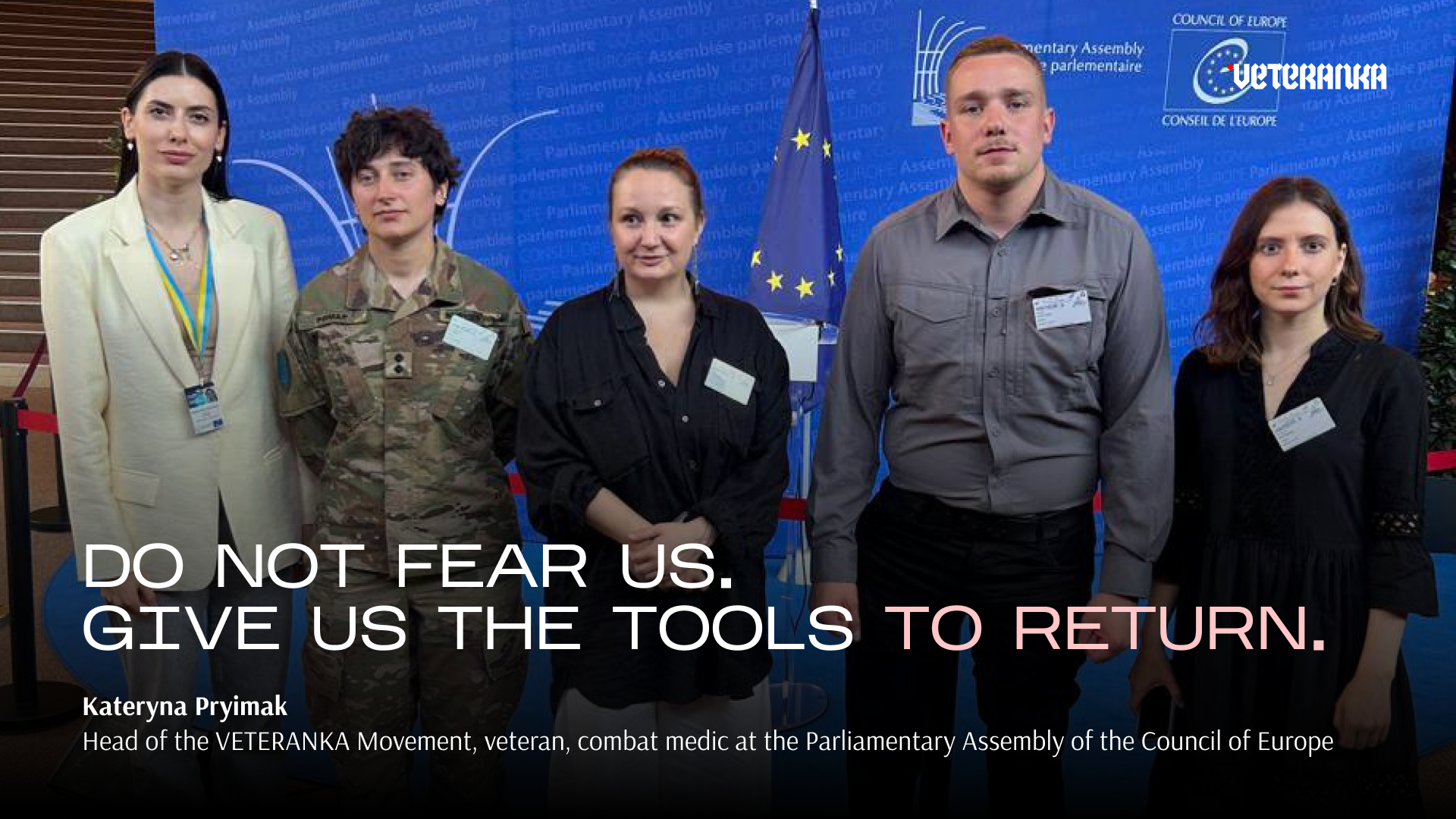 "Do not fear us. Give us the tools to return"
  “Life does not end after service — it becomes different”