How does grief change a family?

No matter the nature of the loss, it changes everything—your well-being, emotional state, self-perception, and relationships with loved ones.
Sometimes, grief brings families closer together; other times, it does not.
Families with established mechanisms of mutual support are often better able to adapt to new realities, develop new patterns of interaction, and cultivate acceptance.
Loss and grief can also shift family roles. For example, adult children may take on more responsibility for their parents or grandparents, stepping into the role of senior family members. Siblings of the deceased may struggle with survivor’s guilt, leading them to take on additional responsibilities as a way of coping.
Children. It is crucial to talk to them about what has happened—but in an age-appropriate manner and without traumatic details. Use words they can understand.
Children perceive and sense the emotions of adults around them, but they interpret events through the lens of their own knowledge and experience. If the truth is withheld from them (even with good intentions, out of love and care), they will likely sense it, draw their own conclusions, and may even perceive the omission as deliberate deception. This can undermine trust in family relationships.
After loss allll family members experience grief and pain, but each in their own way. Do not compare. Some may cry, while others may not. One person may want to talk about their emotions and experiences, while another may prefer silence. This does not mean that one person suffers less than another. There is no single “right” way to grieve—everyone’s process is unique.
What matters during this time:
- Open communication—express your needs and expectations clearly.
- Respect the needs of others.
- Set personal boundaries and accept the boundaries of others.
- Listen—learn to tune in to yourself and try to understand other family members.
- Ask for help, and if needed, seek support from professionals.
- Be patient—with yourself and with your family.
- Give yourself and others time.
After a loss, it takes time to recover, process what has happened, and come to terms with change. It is difficult and painful. It requires strength and patience.
Anticipatory grief
There may come a time when a loved one has no chance of recovery due to illness or injury. Facing such a situation is incredibly difficult and frightening. The combination of waiting and uncertainty can quickly exhaust the nervous system.
During this time, many responsibilities may fall on your shoulders at once. Legal, organizational, and medical matters need to be handled, while also supporting other family members—parents, children, and others. But amidst all of this, what is happening to you?
Physical exhaustion. Lack of sleep—even when there is an opportunity to rest, the emotional toll may make it impossible to fall asleep.
Emotional strain. Anxiety, fear, anger, and irritation can become overwhelming and draining.
Uncertainty about the future and the anticipation of loss add to the weight of the experience.
It’s important to seek support from loved ones, friends, and professionals during this time. Don’t hesitate to express your needs and ask for help.
Allow yourself to feel and release your emotions. If you need to cry or scream, do so.
Take care of your body. Try to get some sleep. If necessary, consult a doctor about calming medications.
Don’t forget to eat! Ask your loved ones for help or use reminders on your devices.
Delegate tasks. If there’s an opportunity to shift some responsibilities to others, do it.
Spend time with someone close to you, no matter how little time you have.
Say what needs to be said. Even if your loved one is unconscious, speak aloud what’s in your heart. There will be time for grieving later—for now, just be present together. If possible, hold them, hug them, or take their hand.
You may feel lost and afraid. That’s natural in this situation. But take one small step forward. Then another. Solve one thing at a time.
Don’t expect too much from yourself.
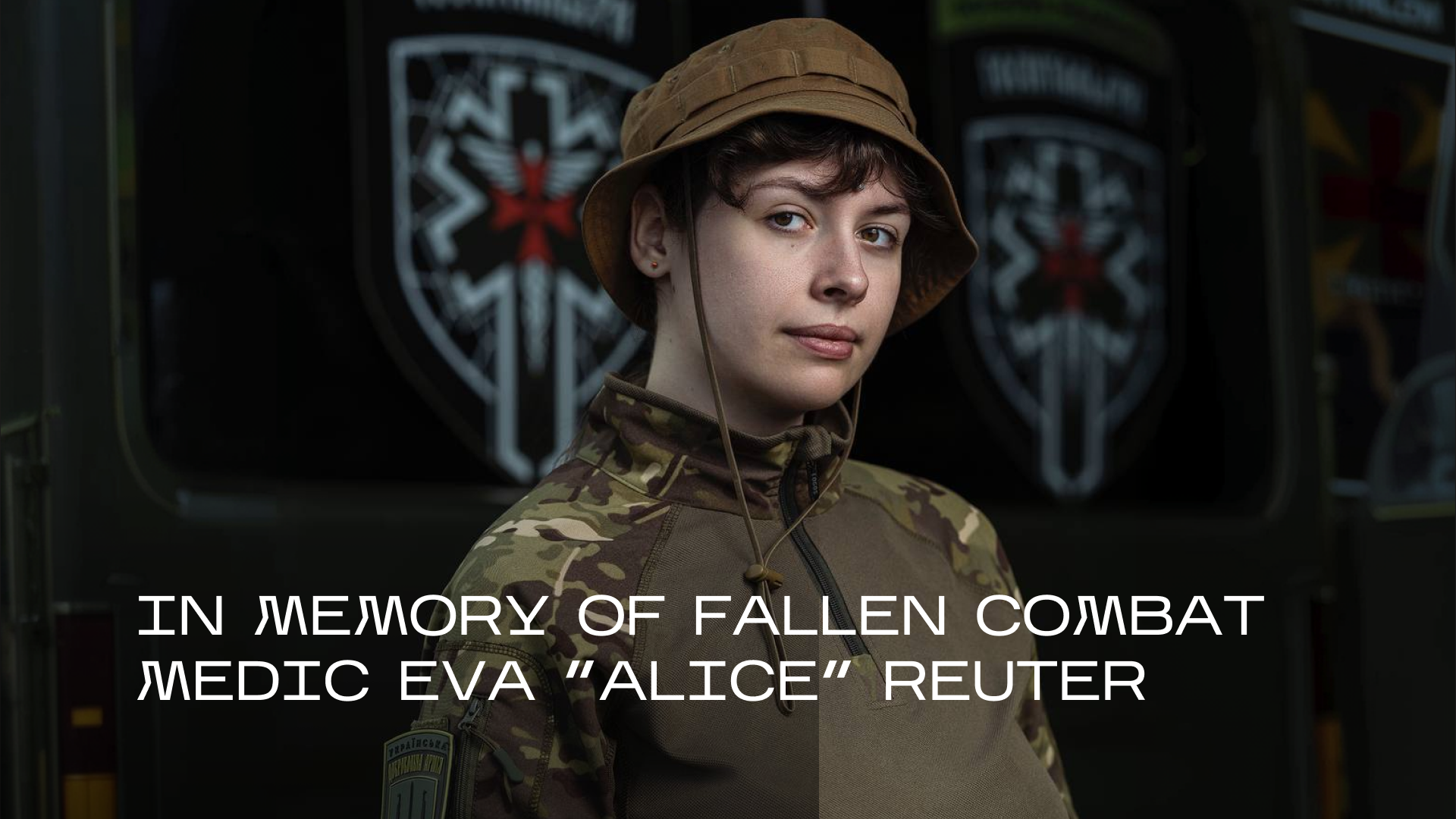 An art historian who became a combat medic, mastered drone repair, FPV drones, 3D printing, led international recruitment, and coordinated a major educational project
  To Mark the 8th Anniversary of the VETERANKA Movement
 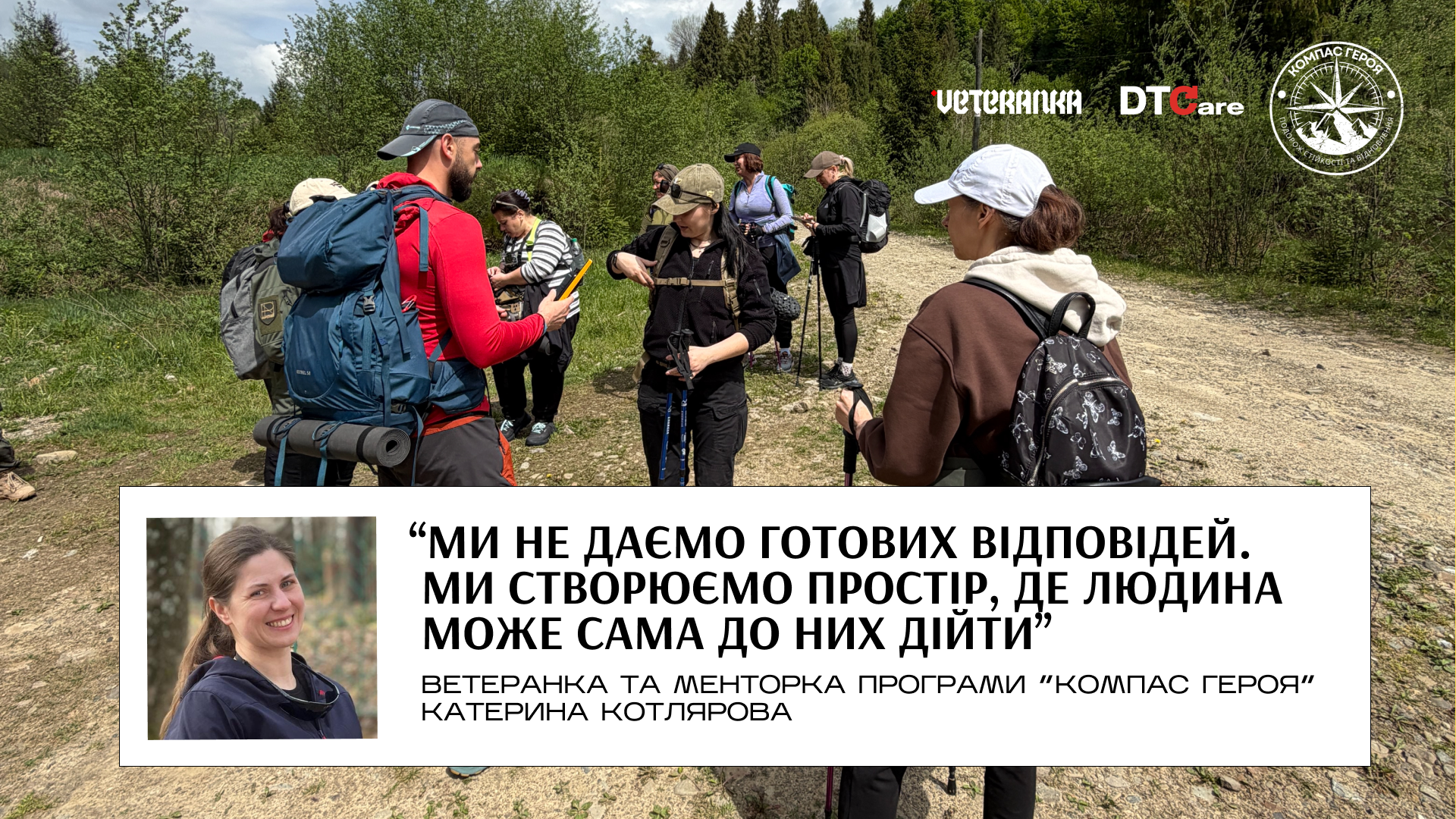 What Awaits Participants of the Hero’s Compass Adventure Counseling Program
 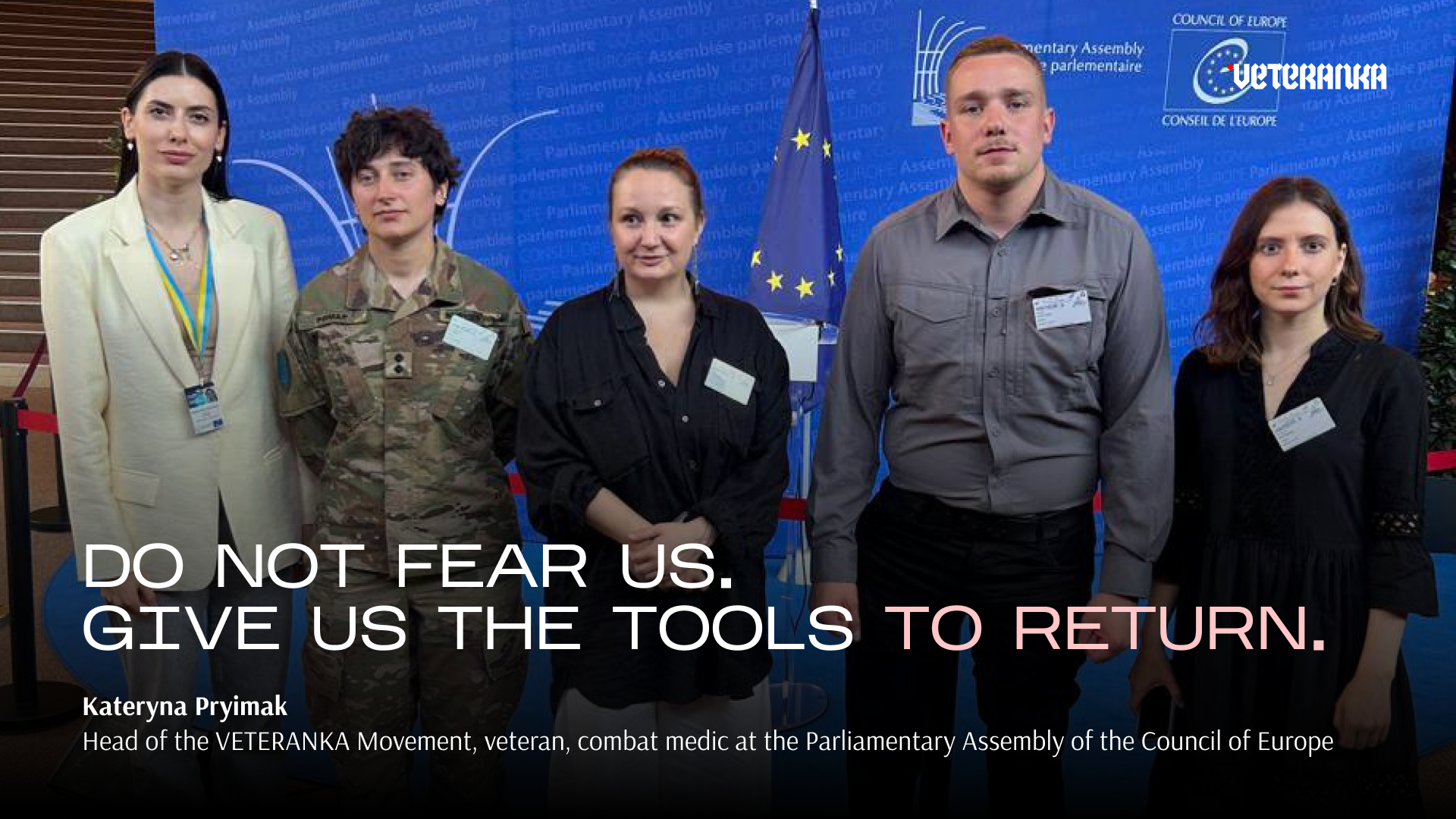 "Do not fear us. Give us the tools to return"
  “Life does not end after service — it becomes different”