How to communicate with those who are at the front line

Dear friends, we regularly emphasize the importance of taking care of your physical and emotional health. Especially in the conditions of war, in which all Ukrainians are now: both in the rear and at the front line. Therefore, today we are starting a cycle of materials on psychology for military personnel and their loved ones to learn to better understand and provide the necessary support to each other. A military psychologist Victoria Kravchenko talks about the most pressing issues and specifications of peoples’ psychological and emotional state at war, exclusively for VETERANKA.
When a person goes to serve at the front line, in a way, all their relatives and friends go with them. In their thoughts, close ones are always next to the military person.
Each of these people faces certain challenges. One of the challenges is a long-distance relationship and not understanding how to communicate with a close person who, over time, seems to change and become more distant. These and a number of other misunderstandings usually lead to an emotional alienation between loved ones.
In war conditions, even the brain structure might change, not to mention the human psyche. It acquires skills that are helpful in survival. A person performs tasks to the limit of their abilities, which affects a person’s behavior, perception of the world around them, awareness of their own needs and desires, etc. All these changes are natural, and normal, in accordance with new living conditions.
The personality of someone who remains in a more protected environment, but without the physical presence of a loved one who is now on the front line, also changes.
The lack of communication, the inability to share one’s thoughts and experiences, to discuss the emotions and feelings that arise, can create a feeling of loneliness. Both for a person who is at the front line and for a person who has stayed at home. Everyone focuses on their own problems, emerging states, feelings, and emotions. Both sides feel this loneliness, but each in their own way.
All of the above is inevitable for families of military personnel. And it is important to try to provide an atmosphere of understanding, acceptance, support, and trust, not to blame each other for the fact that certain changes are taking place. Remember that these changes are a normal response of the psyche and the body as a whole to the new circumstances.
Something might be voiced as a problem or some significant event by a person who does not understand the specifics of being in a war zone under constant tension. And this same thing might be underestimated by a person who is at the front line. In war, black-and-white thinking may be very useful: there is an enemy and there are my own people, my task is to destroy the enemy. All the resources of the military are mostly focused on the high-quality performance of their combat mission and on meeting the basic needs of the body for survival, they simply may not have enough resources for anything else. Therefore, events “from peaceful life” may not cause the expected reactions.
No matter how difficult it is for those who are waiting for their loved ones from the front line, it is worth finding strength to support them. For every soldier, it is crucial to realize they are still important to their family and friends, have confidence that people are waiting at home, and have faith that loved ones will understand the reasons for the personality changes. And, most importantly, will love and accept the “new person”, who comes back from war in the same way.
Tips for communicating with loved ones who are at the front line:
– An important thing to understand is that it’s not always possible to use the phone there. And if a person does not get in touch for a while, there is no need to panic. Most likely, the phones simply turn off at the positions. This is a matter of the unit security. Therefore, the best option would be to agree with your close one who serves in the army, that they inform you of their well-being as soon as they have such opportunity. Same goes for the messages: if the message was read, but you did not receive a response to it – most likely, there was no opportunity to respond to the message yet.
– If you feel that a person is not in the mood for a conversation right now, it’s better not to push them with questions or torture yourself with guesses. It will be better if you say something like: “If you have the desire to talk about what’s bothering or hurting you, remember – I’m always here.” It is important to understand that there can be many reasons for a bad or unusual mood. And this, most likely, has nothing to do with you personally. There are things that a person does not want to remember or tell anyone about. Persistent attempts to make a person open up to you, or blame a person for such a bad or unsocial mood may lead to alienation and distrust.
– Don’t burden a person with the types of problems that you are capable of solving on your own or those that this person cannot affect in any way now. Although, you can consult about possible options you’ve already thought of.
– It’s better to avoid talking about your own fears, anxieties, and other negatively colored emotions in order to prevent additional worries for your loved one who is on the front line. If a military person does not have confidence that everything is in order at home, his level of stress resistance, motivation, attention, and self-confidence may suffer. As a result, a person will not be able to focus on the effective performance of his tasks in the combat zone.
Also, when communicating with the military (especially if it’s a person you do not know or know a little), try to:
- respect the subordination;
- be mindful of personal space (be careful with physical contact, do not ask inappropriate and provocative questions);
- avoid making loud sounds (raising your voice included);
- treat him/her as an ordinary normal person and not as some kind of special one;
- tell them the good news that are not on the front line;
- show support in the form of gratitude for service, for devotion to one’s people and one’s Motherland.
Published as a part of the UN Women project “Transformative Approaches to Achieving Gender Equality in Ukraine” with the support of the Office of the Vice Prime Minister for European and Euro-Atlantic integration of Ukraine and funding from the government of Sweden.
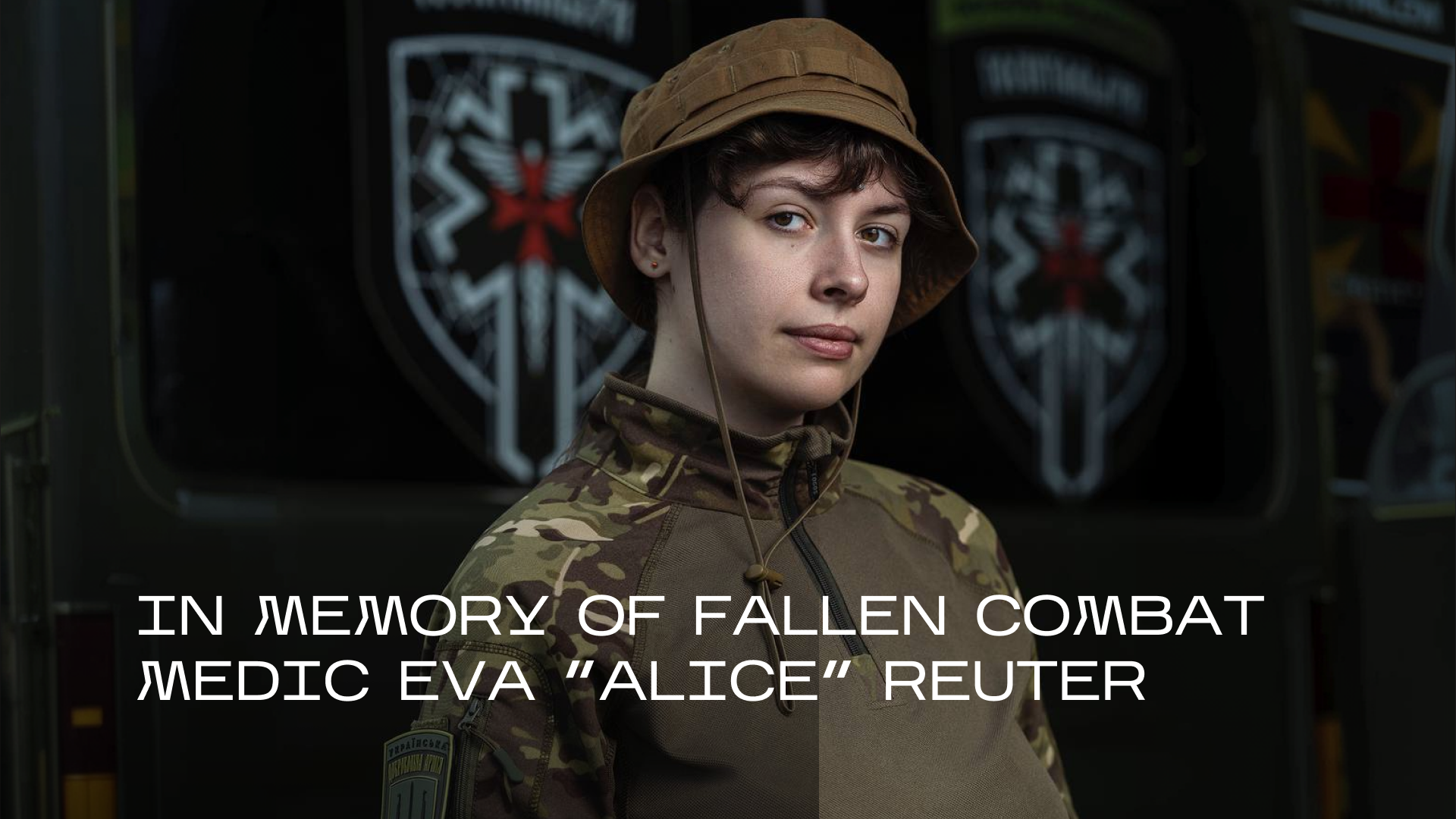 An art historian who became a combat medic, mastered drone repair, FPV drones, 3D printing, led international recruitment, and coordinated a major educational project
 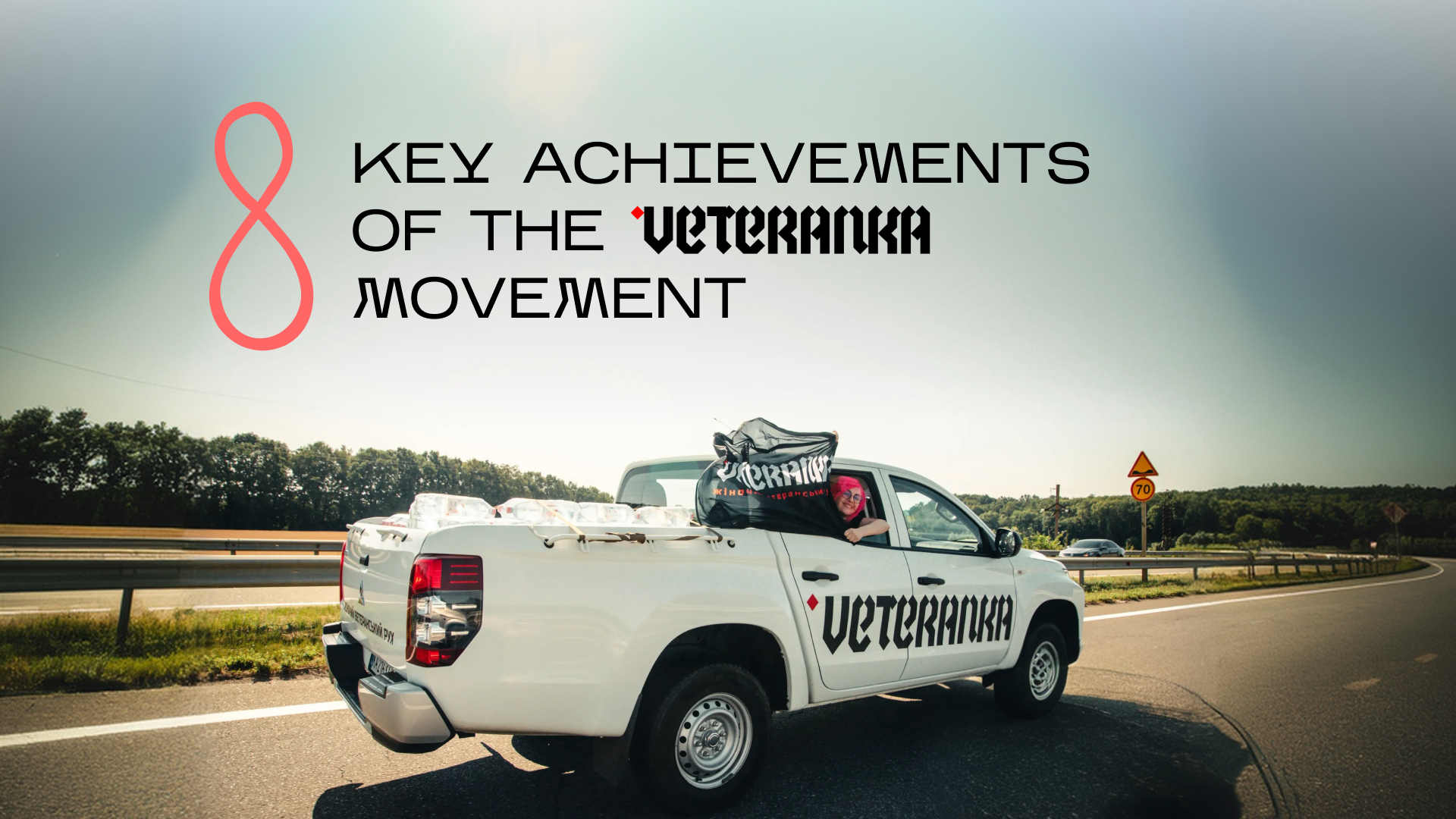 To Mark the 8th Anniversary of the VETERANKA Movement
 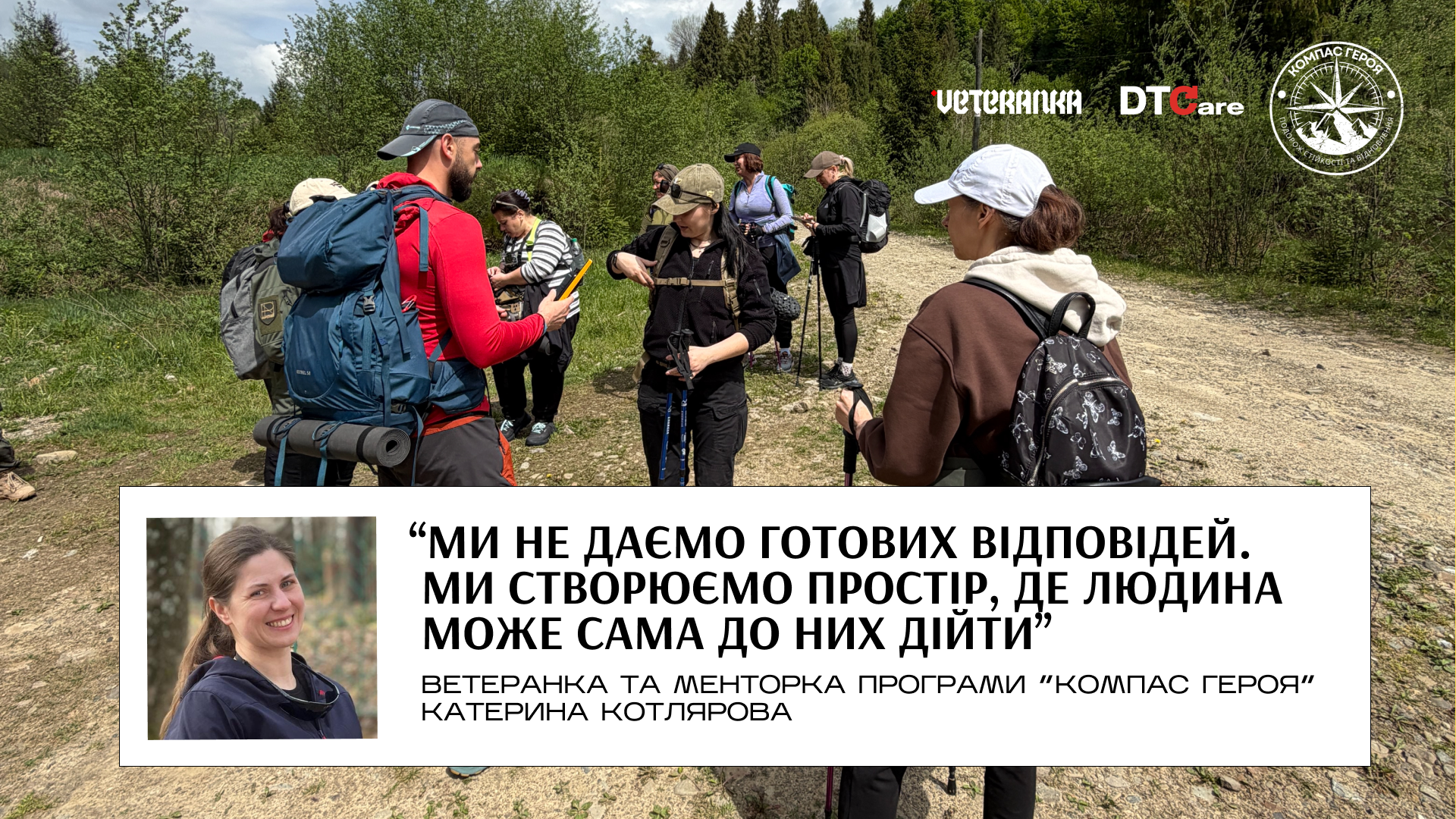 What Awaits Participants of the Hero’s Compass Adventure Counseling Program
 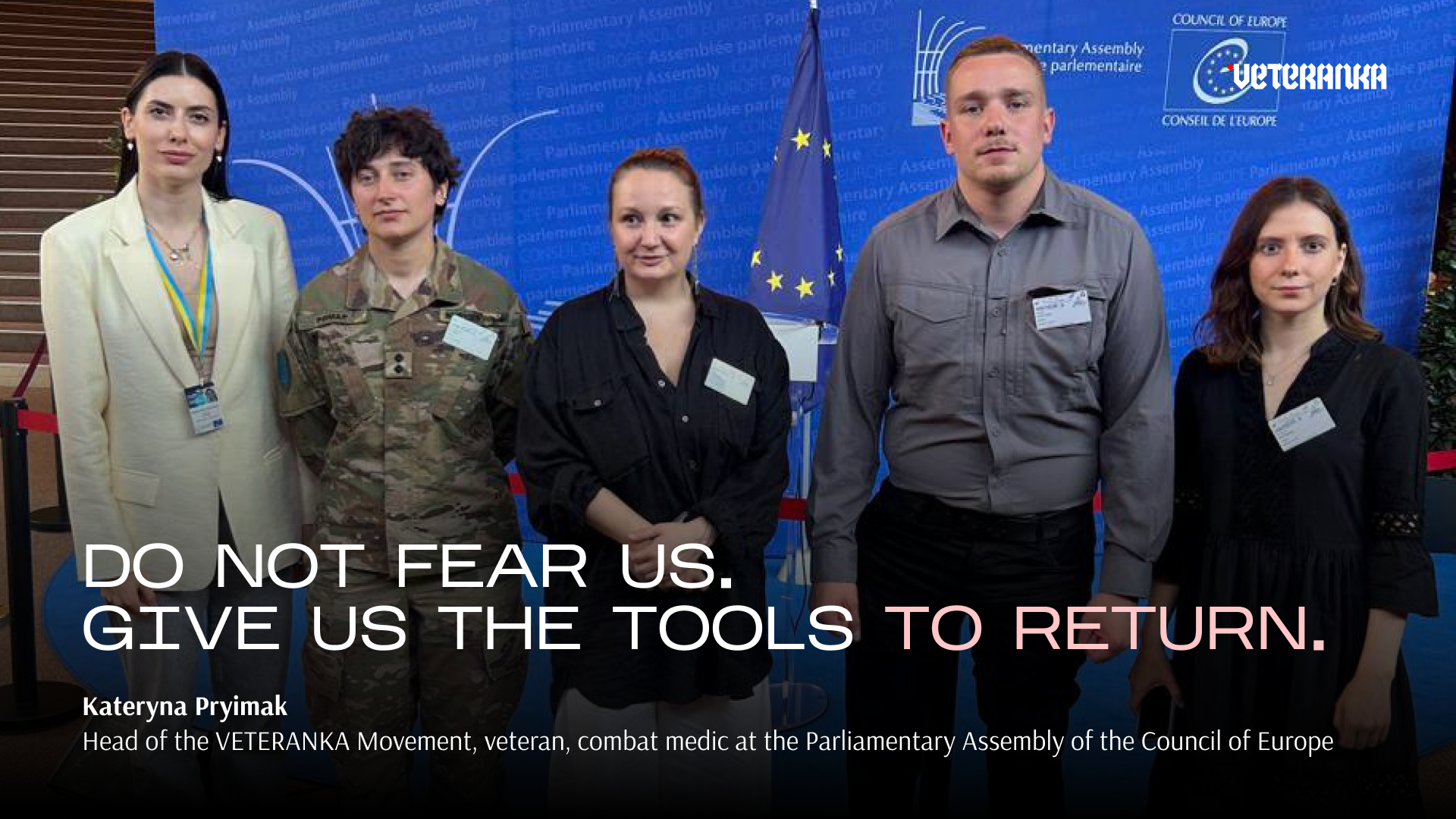 "Do not fear us. Give us the tools to return"
  “Life does not end after service — it becomes different”