How to Organize Support for Veterans at the Primary Health Care Level: New Methodological Guidelines Published
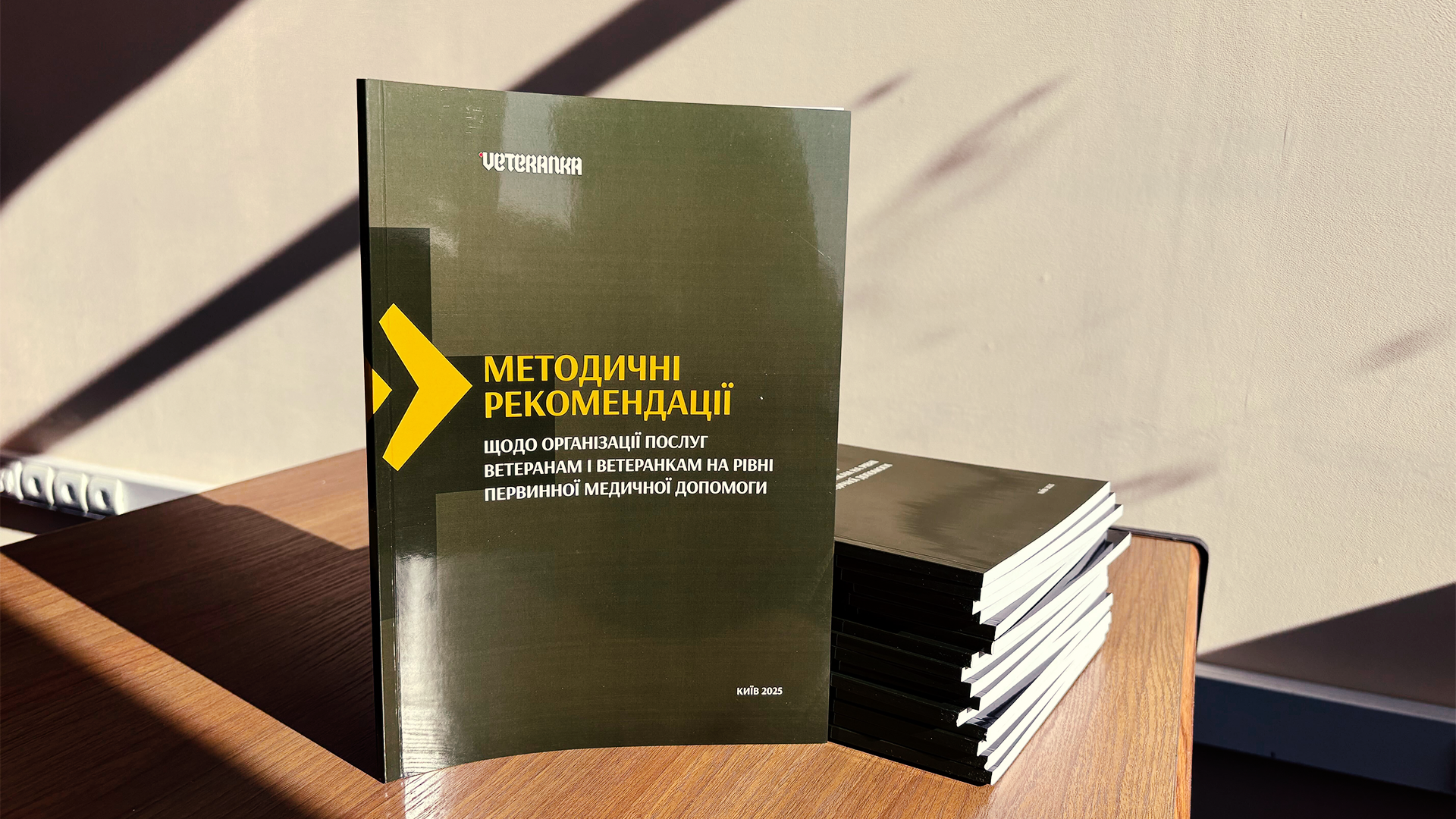
The VETERANKA Movement brought together experts and coordinated the development of the Methodological Guidelines on Organizing Services for Women and Men Veterans at the Primary Health Care Level. Specialists from different areas of medicine who have experience working with veterans contributed their knowledge and drew on leading international practices.
The Guidelines are now available for download on our website.
These recommendations are especially timely. As of September 15, 2025, according to official data from the Ministry of Veterans Affairs of Ukraine, 782,350 veterans who received their status after 2022 have been entered into the Unified State Register of War Veterans. There is a range of medical conditions and risks that are more common among those returning from the front. Primary health care serves as the “entry point” to the healthcare system. That is why family doctors need to be able to identify these conditions early and provide prevention or timely referrals.
The Guidelines describe the most common conditions and health risks that are more prevalent among veterans and provide practical recommendations for assessment and management.
“In these Methodological Guidelines, we have gathered our knowledge, experience, and both Ukrainian and international recommendations on working with veterans. Our goal is to ensure that interaction between veterans and family doctors is empathetic, dignified, and high-quality, meeting everyone’s needs,” the authors note in the introduction.
The team of 18 contributors includes family doctors, physical therapists, physicians in physical and rehabilitation medicine, occupational therapists, a combat medic, doctors of medical and psychological sciences, heads of leading medical centers working with veterans, and founders or co-founders of major healthcare-focused NGOs.
Each section focuses on a specific group of issues—building a service network, preventive screenings, somatic and mental health conditions, rehabilitation, and working with former prisoners of war—and includes:
- Core background information to understand the issue;
- Recommendations on management and the role of the primary care physician;
- Clear action algorithms for diagnosis, support, and referral to the next level of care when needed;
- Practical tools in the appendices.
This material was developed with the support of the Government of the Swiss Confederation through the Swiss Agency for Development and Cooperation (SDC) of the Federal Department of Foreign Affairs of Switzerland, within the project “Development of a Comprehensive System of Rehabilitation for Veterans.” The views and content expressed in this material are the responsibility of the authors and do not necessarily reflect the position of SDC.
If you have feedback, questions, or suggestions for the team that worked on the Guidelines, please use the feedback form.
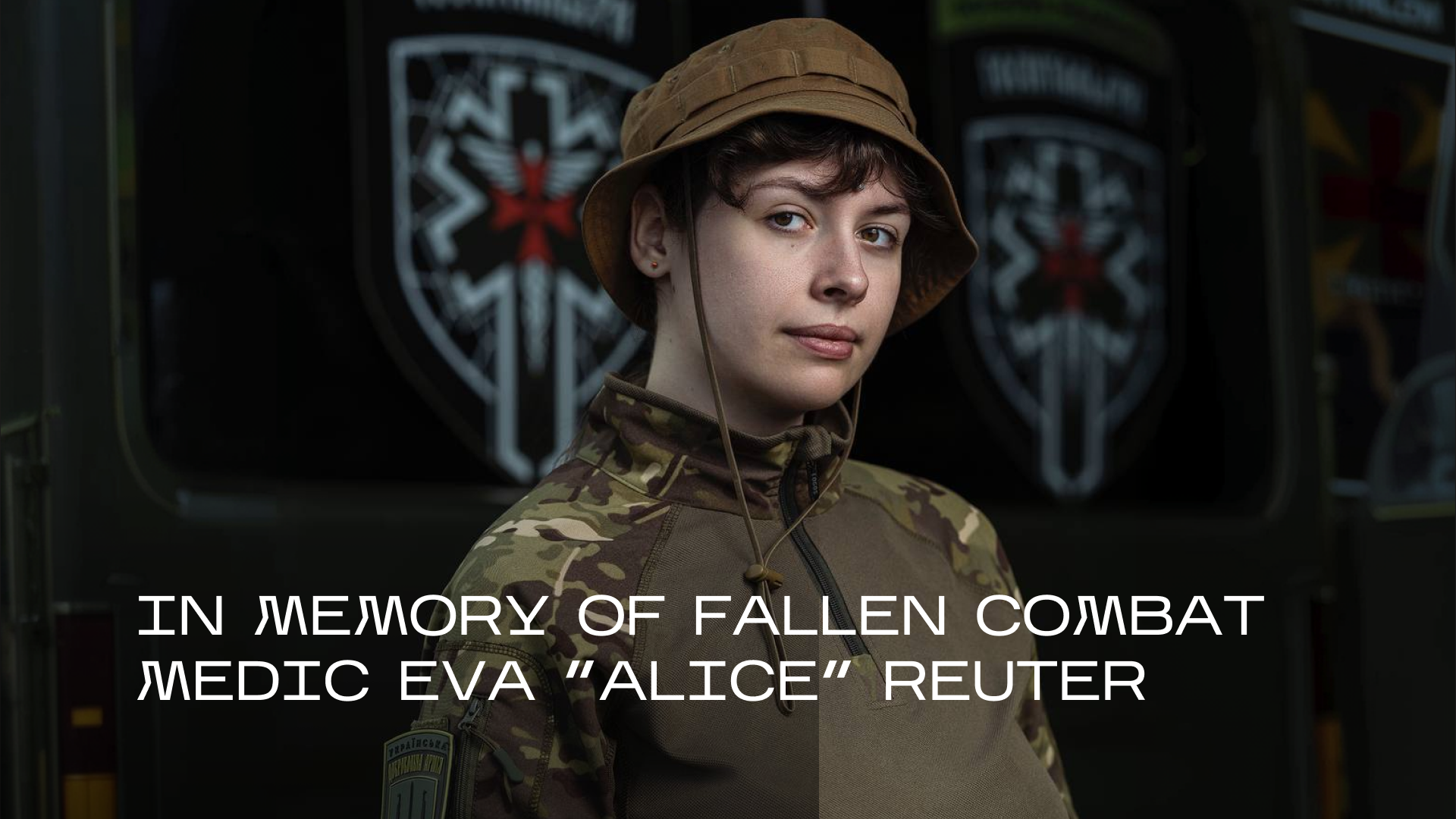 An art historian who became a combat medic, mastered drone repair, FPV drones, 3D printing, led international recruitment, and coordinated a major educational project
 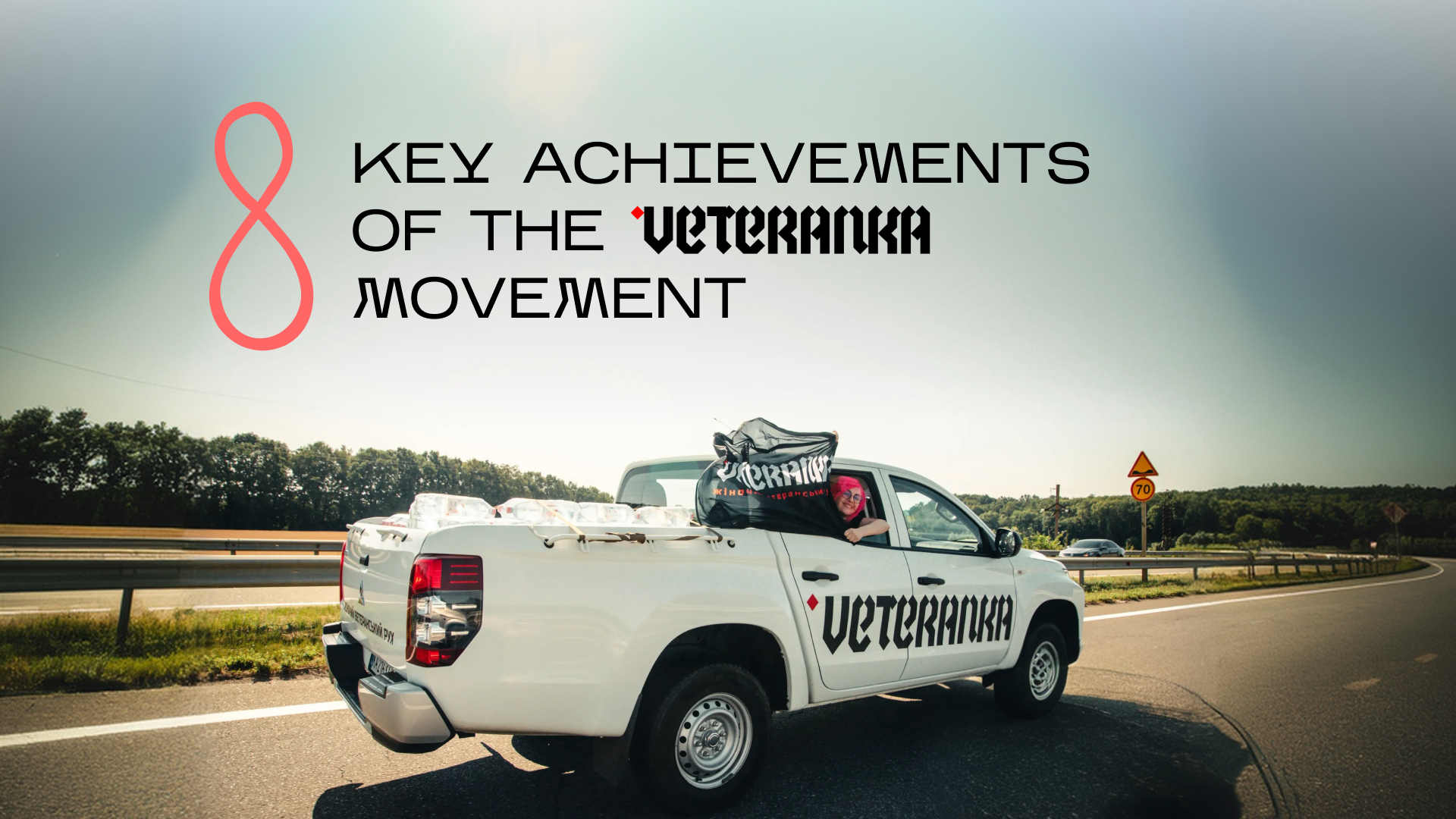 To Mark the 8th Anniversary of the VETERANKA Movement
 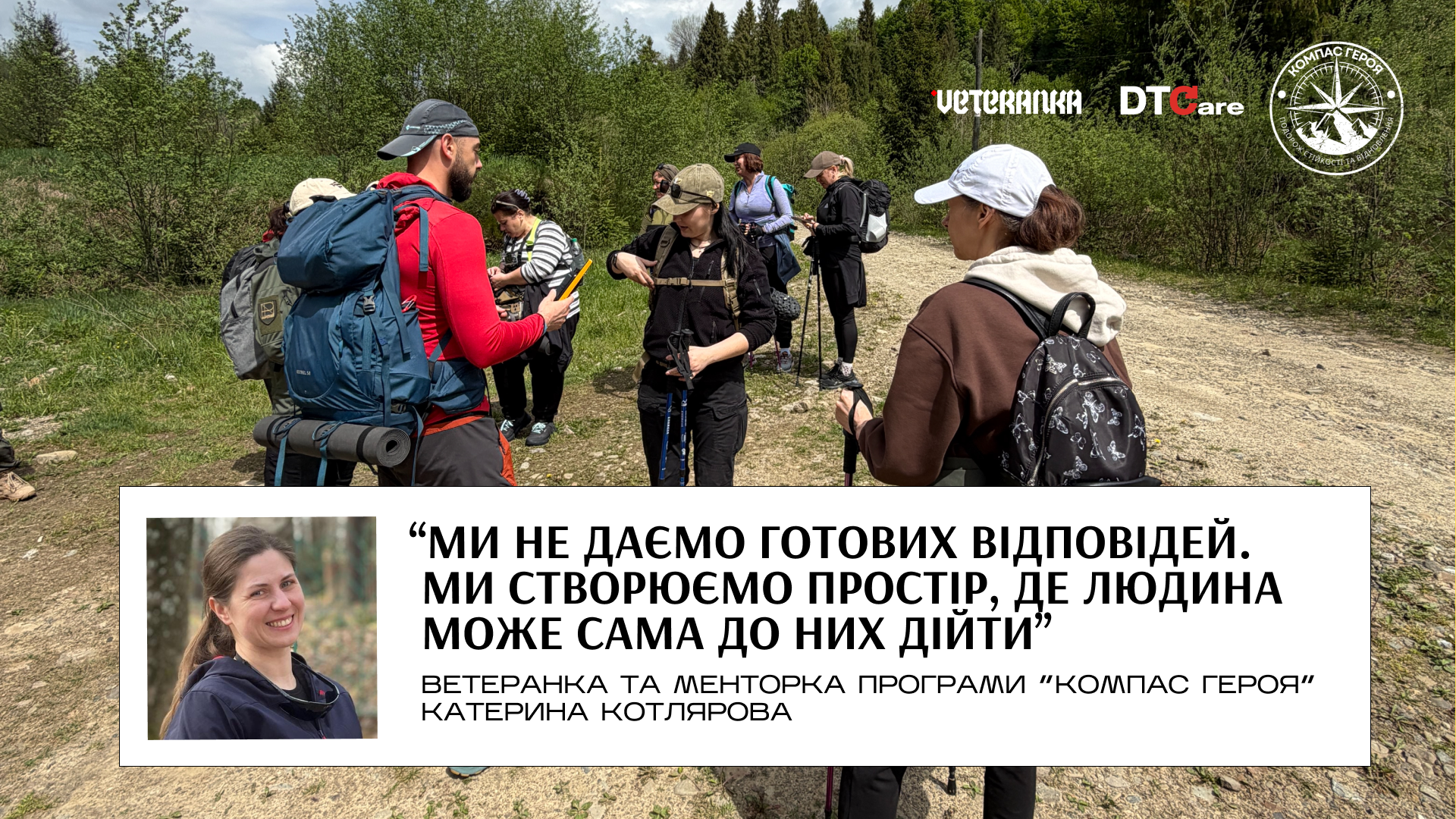 What Awaits Participants of the Hero’s Compass Adventure Counseling Program
 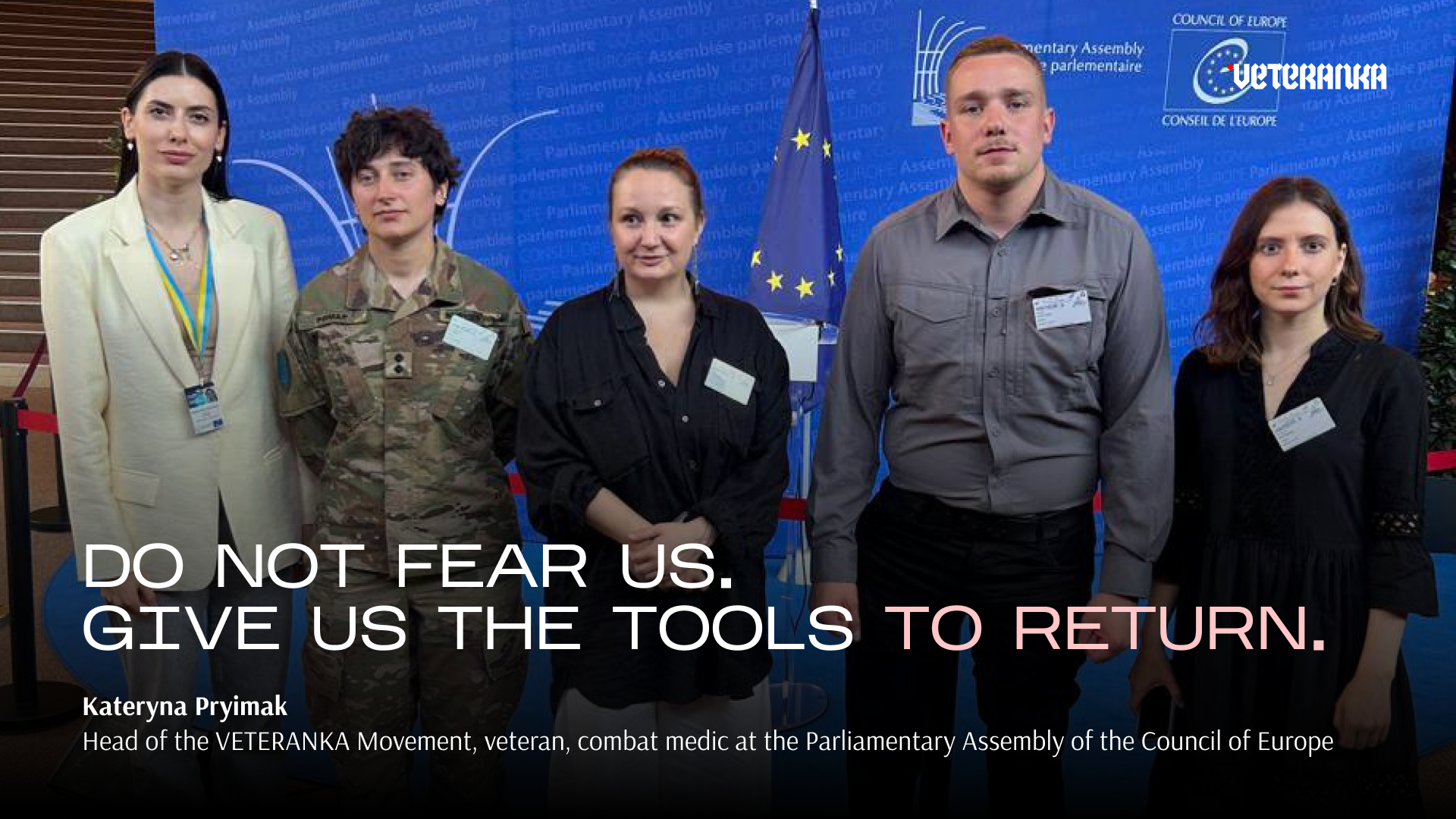 "Do not fear us. Give us the tools to return"
  “Life does not end after service — it becomes different”