Life After War Injury

Ukrainian society has not fully adapted to the fact that war has made significant changes in our lives. Often, war injuries are not visible externally: one doesn’t necessarily need to be in a wheelchair, have an amputation, or possess disability documents, yet they may grapple with serious health impairments. They might leisurely stroll through the park beside you or enjoy a favorite drink in a nearby café, and you may not notice the silent battle they face with relentless pain every day. Sometimes, these “hidden” injuries like PTSD, post-concussion syndrome, blast injury (or shell shock), and others, may go unnoticed by those around, but they directly impact the quality of life for the servicemember, affecting their loved ones as well. We discuss what veterans, returning from war, should be prepared for and how their loved ones can support them in this experience exclusively with the military psychologist “Miller’s Daughter” for Veteranka.
Many servicemembers sustain injuries of varying severity during combat operations. Of course, they receive initial medical assistance, treatment in military hospitals, and care in specialized medical facilities. However, the rehabilitation of servicemembers holds immense importance for their full recovery and their ability to reintegrate into society, work, and lead a fulfilling life.
Due to the challenging military experiences such as injuries, disabilities, captivity, and exposure to combat-related stress factors, many veterans require separate medical and psychosocial support for years after the war.
Returning to the family can also be an additional source of stress for military veterans, despite it being a joyful and long-awaited event. Everything at home has changed: children have grown up, parents have aged, spouses/partners have had to take on additional roles, and perhaps the family lived near the combat zone, in occupied territory, or even crossed the country’s borders, experiencing a series of traumatic events. In such circumstances, tension and conflicts within the family can escalate, potentially leading to separation or domestic violence.
What veterans should be prepared for when returning from war:
- Discrimination in Employment: Statistics from released and demobilized servicemembers of the ATO and OOS have shown that nearly 80% of former veterans do not mention their combatant status in their resumes. This is due to the fact that civilian employers do not view combat experience as a positive attribute for a new employee. They often fear and overlook such candidates for vacant positions.
- Inappropriate (Intolerant) Questions from Civilians: Questions like “Have you seen the enemy face-to-face?”, “Have you shot at people?”, “How many have you killed?”, “Have you seen corpses?”, and so on. Society is influenced by the perception that countless military personnel return from war with a diagnosis of PTSD, which, in their understanding, poses a great danger to those around them. The culture of communication and attitude towards defenders who have returned from the front is a separate significant topic for discussion.
- Bureaucracy when Applying for Benefits in Government Institutions: In war, you can defeat the enemy, but here you have to learn to solve complex problems without weapons.
- Feeling of Own Redundancy: Most veterans quickly reintegrate, but there is a category of military personnel who do not seek help from specialists, friends, or relatives. This can even lead to suicidal thoughts. It is important to listen to your needs and tell people you trust that you need help.
- Overwhelming Desire to “Hide from the World”: Take some time alone (go to the mountains or spend a few days at the dacha), but do not turn away from the support and assistance of loved ones.
Tips for family and friends:
- For the families of soldiers, it’s beneficial to seek counseling with psychologists to learn how not to inflict psychological trauma on your warrior within the family circle and how to provide support during the adaptation period.
- Show respect, not pity, to those who have returned from the front. Inquire about the needs of your loved ones and ask them about their well-being.
- Be prepared for the fact that someone who has experienced war may significantly alter their life principles, perspectives, and values.
- It’s crucial to give the serviceman/woman time for peace and relaxation, rather than burdening them with business or household matters (try to be a bit more independent in handling at least minor tasks).
- Avoid conflicts and negative emotions that may trigger wartime memories for the veteran.
- Don’t attempt to comprehend the reality in which soldiers live.
- Don’t inquire about fallen comrades unless they themselves express a desire to talk about it.
- Try to limit discussions about the war, as it may create additional stress.
Despite all the intensity, veterans’ problems gradually fade with time, making room for new emotions, life challenges, and activities, while memories of military life come alive in conversations with fellow soldiers. Civilian and family life will gradually return to its usual rhythm.
This publication is part of the UN Women project “Transformational Approaches to Achieving Gender Equality in Ukraine,” supported by the Office of the Deputy Prime Minister for European and Euro-Atlantic Integration of Ukraine and funded by the Government of Sweden.
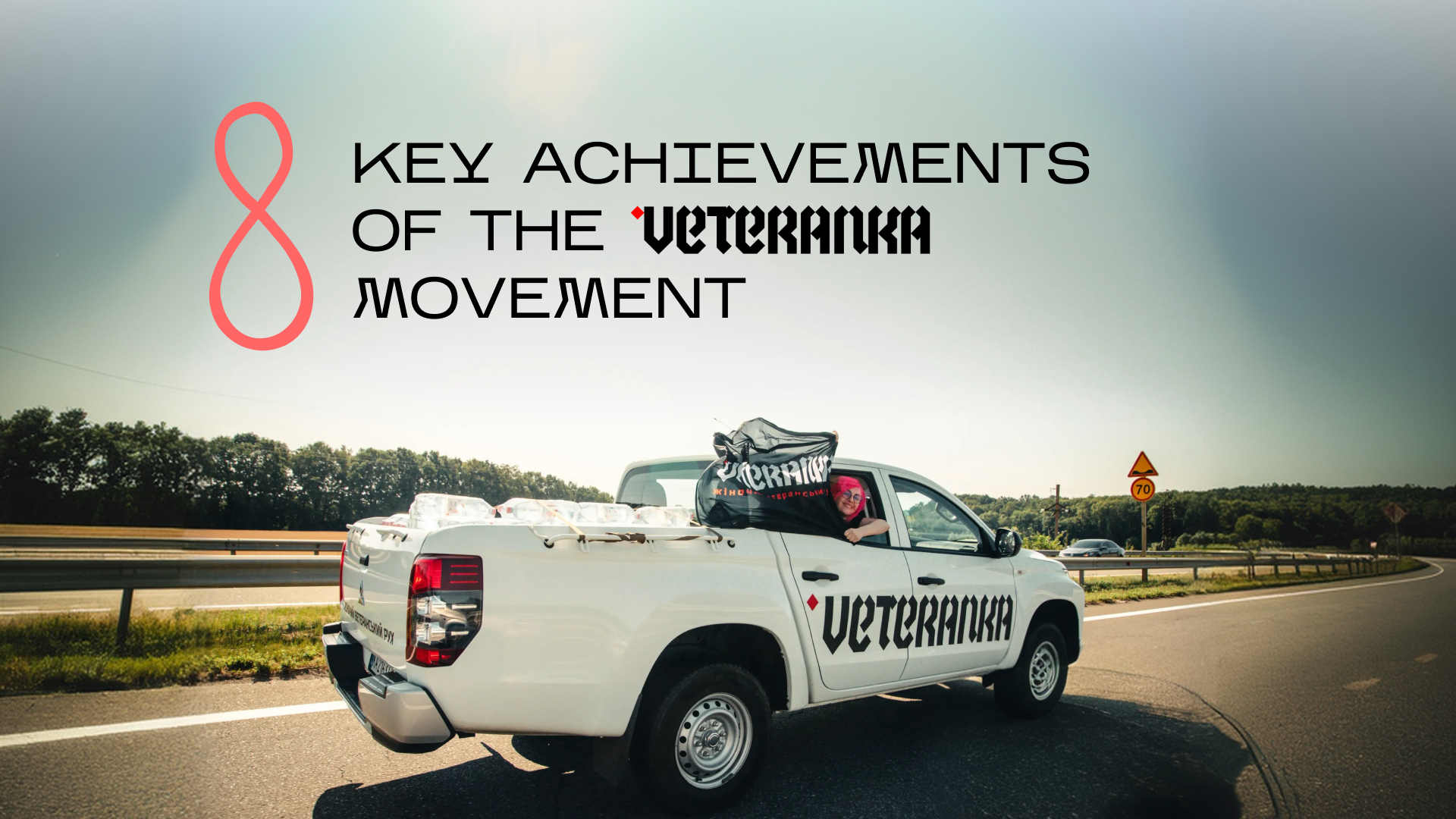 To Mark the 8th Anniversary of the VETERANKA Movement
 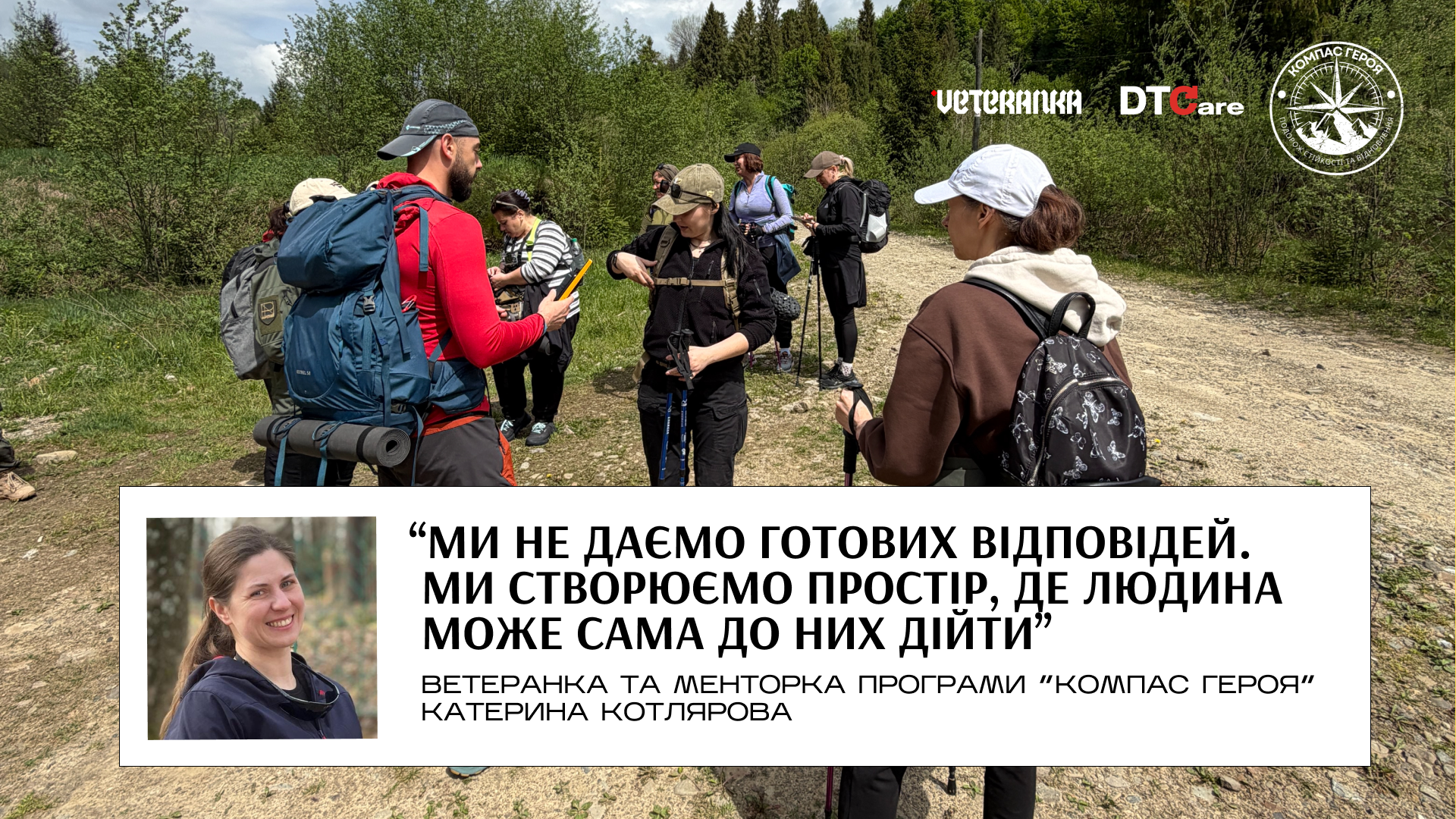 What Awaits Participants of the Hero’s Compass Adventure Counseling Program
 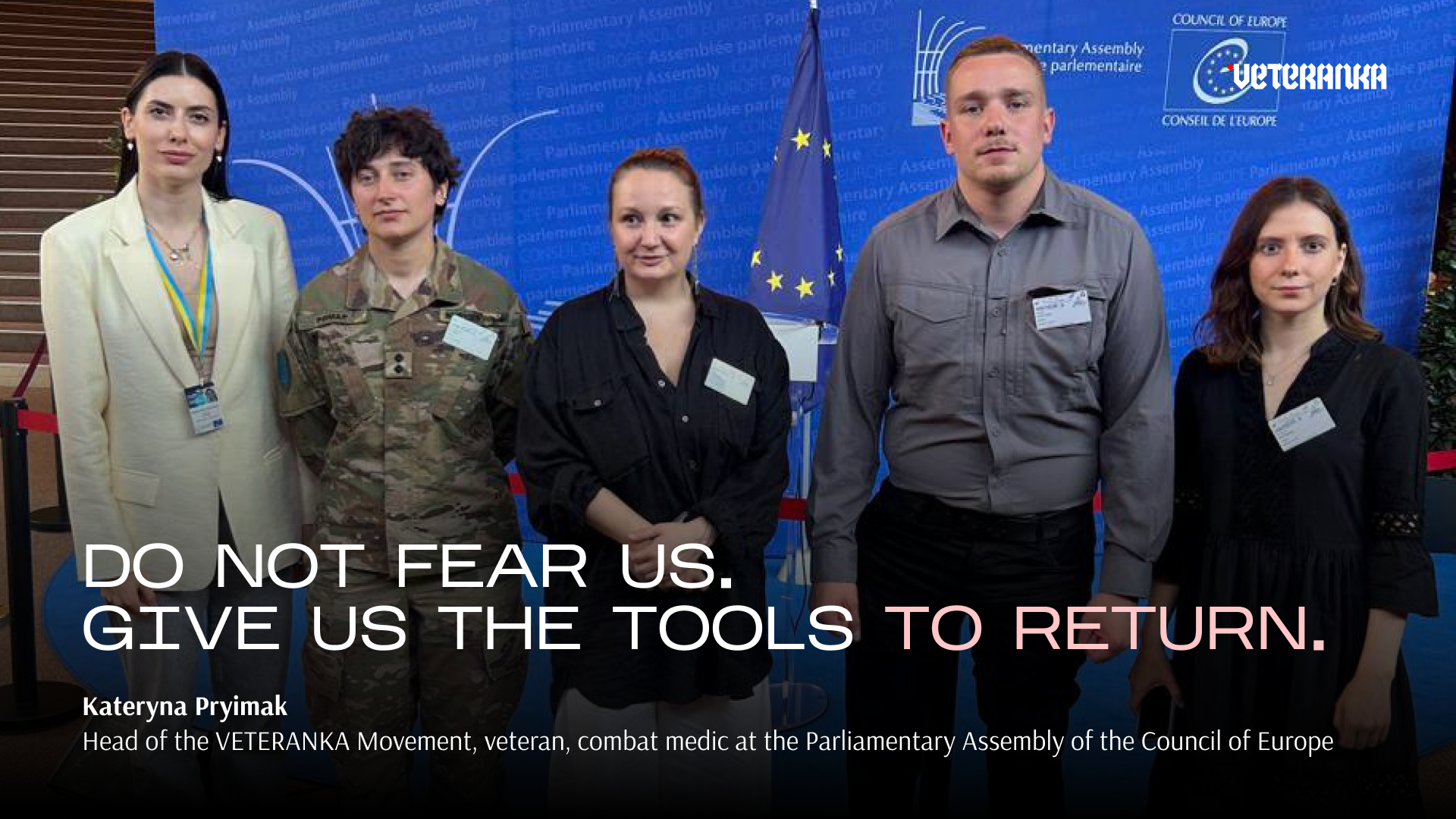 "Do not fear us. Give us the tools to return"
  “Life does not end after service — it becomes different”
  We strengthen evacuation efforts on the most difficult sections of the front and delivers the unique robotic complex “Maul”