Relationships at a Distance During Wartime

The peculiarities of war directly impact relationships between people – be it familial, friendly, or with colleagues at work. Stressful situations reveal a person’s essence and their true values. Or alter them.
Since the onset of the full-scale invasion, a noticeable surge in divorces and marriages has occurred. Today, even this can be done remotely. It is evident that our perception of time and life has shifted.
Long-distance relationships are always a challenging test for both partners. How a couple navigates it depends on many factors: the level of trust in each other, self-worth and confidence, the willingness to face challenges together, and more.
Despite the fact that today we have the ability to communicate and see each other virtually at any moment, separation introduces nuances to communication. Longing for a partner, homesickness, chronic fatigue, and numerous other factors can breed fear of losing one’s partner. In the midst of this, conflicts may arise, accompanied by hurt feelings and mutual misunderstandings.
Tension is heightened by the uncertain duration of separation – the unknown further exacerbates negative emotions.
During a wartime separation, both partners undergo certain changes. Each person adapts to new living conditions, which can be a source of stress. If there used to be support from your partner nearby and the ability to seek help and share thoughts at any moment, now you have to cope on your own. Due to the unfamiliarity of this situation, hidden or overt aggression may emerge. Misunderstandings lead to conflicts, and it doesn’t take long to realize that life and relationships have changed significantly.
What can be done to support and maintain the relationship during separation?
Don’t suppress your emotions and feelings. Communicate with your partner about everything, especially your feelings towards them.
If these feelings and emotions are not very pleasant, discuss them without accusations. You can start with the phrase, “It’s important for me to share this with you.”
It’s important to be prepared for the fact that your partner may not react to your sincerity as you’d like. This isn’t because they don’t care. Likely, they simply don’t know how to support or help you, and they feel helpless and confused.
Remember, unexpressed negative emotions won’t disappear on their own; they’ll accumulate until they explode again.
It’s crucial to understand that a person on the front lines can’t share everything that troubles them, especially in a phone call. So, if you sense that something’s amiss and your partner doesn’t want to talk about it, approach it with understanding. Pressure may have the opposite effect of what’s desired.
Come up with shared rituals that you can adhere to from a distance and in different circumstances. The absence of certain everyday issues you had with your partner can help rekindle romance in the relationship.
If possible, dedicate time to your own development and share your achievements with your loved one. Recall happy moments from your shared life and dream about the future, make plans. Shared dreams reduce anxiety and feelings of loneliness, providing the strength to endure difficult times and not lose sight of the purpose of life.
Try to understand that it’s difficult for both parties, each in their own way. And right now, your support for each other is more necessary than ever.
War changes everyone. Perhaps you’ll need to get to know each other anew. There’s no need to be afraid of this. Separation and being in stressful situations exacerbate existing relationship problems. That’s why we observe such a high number of divorces during wartime.
But at the same time, such a trial can give partners an understanding of how valuable they are to each other, a chance to reassess certain moments, a push to make important decisions, and to elevate the couple to a new level of their relationship.
Published as part of the UN Women project “Transformational Approaches for Achieving Gender Equality in Ukraine,” with the support of the Office of the Vice Prime Minister for European and Euro-Atlantic Integration of Ukraine and funding from the Government of Sweden.
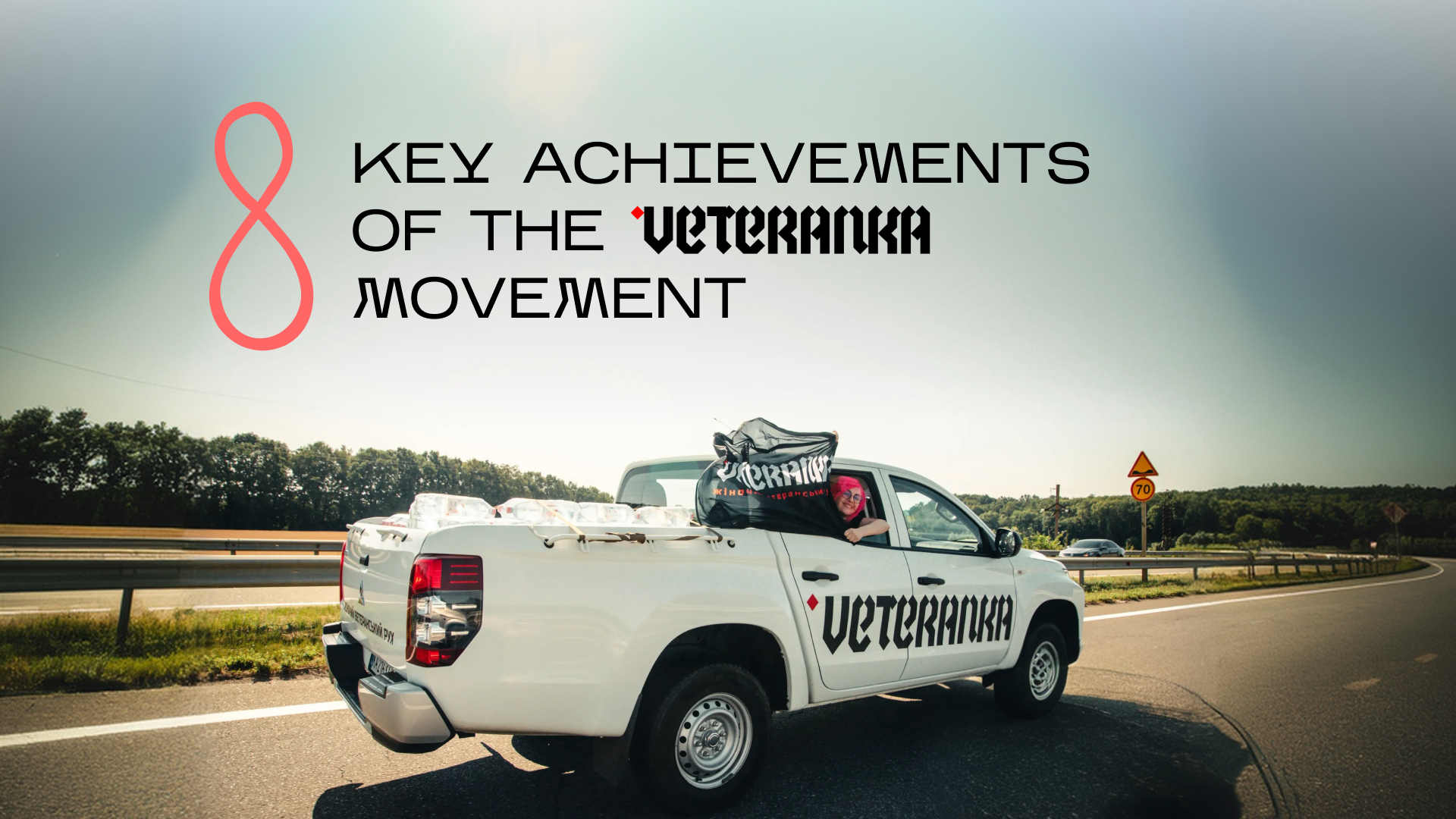 To Mark the 8th Anniversary of the VETERANKA Movement
 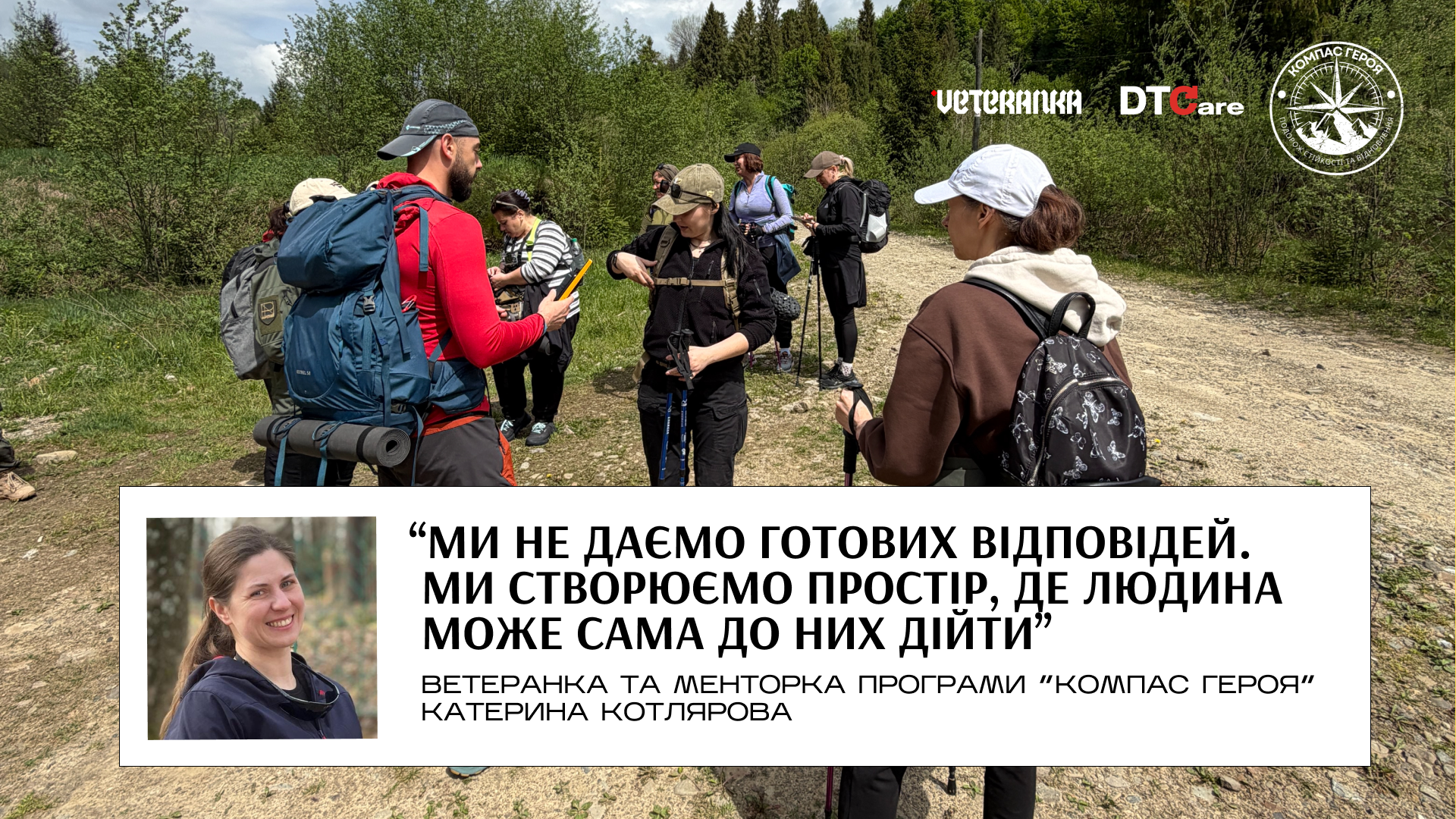 What Awaits Participants of the Hero’s Compass Adventure Counseling Program
 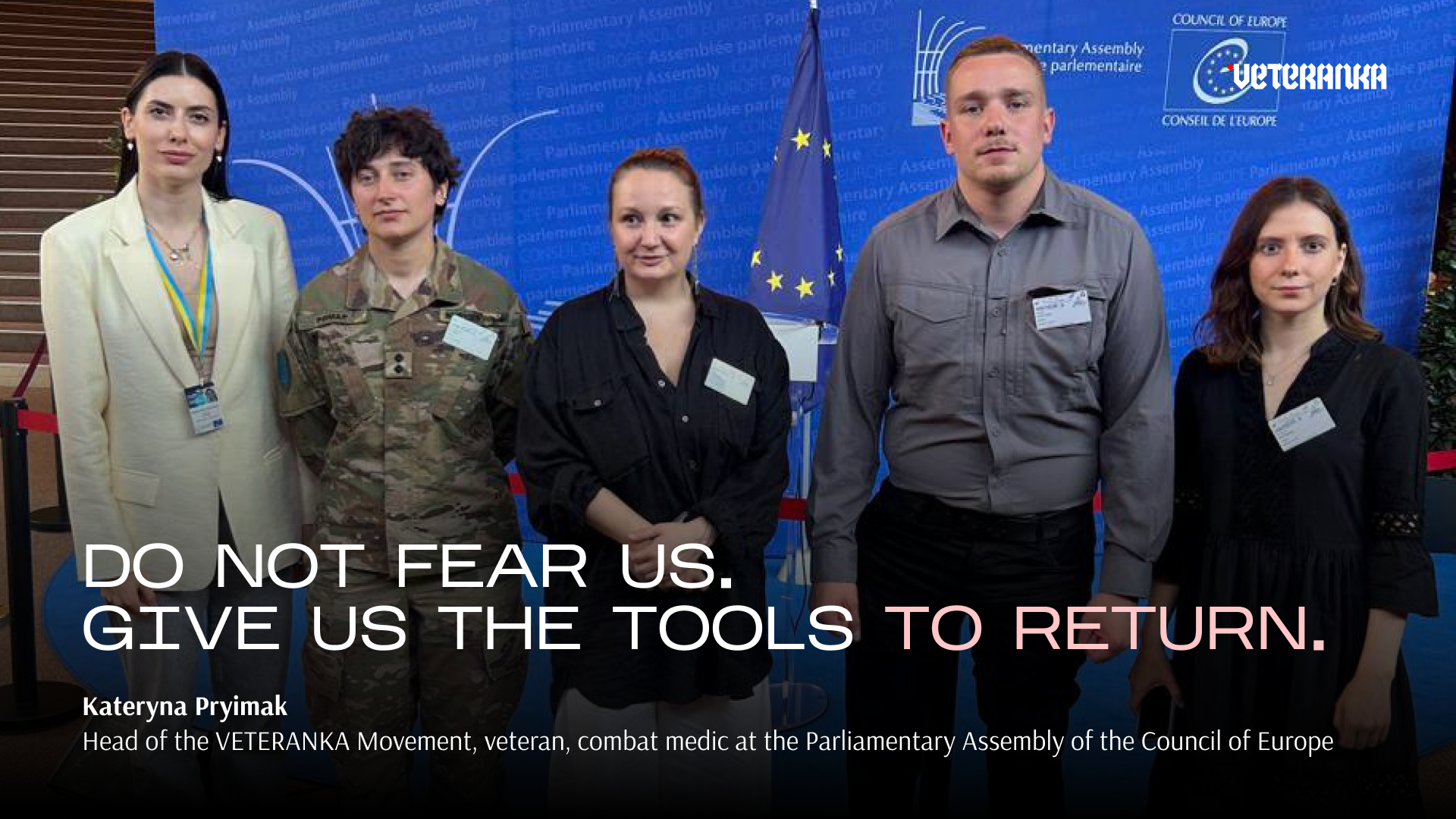 "Do not fear us. Give us the tools to return"
  “Life does not end after service — it becomes different”
  We strengthen evacuation efforts on the most difficult sections of the front and delivers the unique robotic complex “Maul”