Sexism in the Military

According to the official definition, sexism encompasses any action, gesture, visual display, spoken or written word, practice, or behavior rooted in the belief that a person or group of people are inferior due to their gender, and is manifested in both public and private spaces with the intent of:
- Violating one’s dignity or human rights,
- Causing physical, sexual, psychological, or socio-economic harm or suffering to an individual or group of individuals,
- Creating a threatening, hostile, demeaning, or offensive environment,
- Hindering the independence or full exercise of human rights by an individual or group of individuals,
- Supporting and reinforcing gender stereotypes.
- Historically ingrained stereotypes continue to divide professions into “male” and “female” in society. Military service, especially combat roles, have traditionally been seen as male-dominated.
Since the beginning of the full-scale war in Ukraine, public perception of the military profession has begun to shift, largely due to real-life examples of impeccable work by female service members, whose numbers in our armed forces increase every day, and who perform all types of tasks, including combat duties, on par with their male counterparts.
Despite the fact that Ukraine has been at war for ten years now, the military has yet to fully adapt to the presence of women. This is evident in the treatment of personnel and in the problems discussed by advocates – all forms of sexism, the absence of female-specific equipment and hygiene products. Unfortunately, cases of violence, both against women and men, are often not reported for several reasons. The primary reason being the presence of corruption and the covering up/justification of crimes by officials who have “connections”.
The Women Veterans Movement has been fighting for equal rights and conditions for women in the military since its inception. Today, these issues are being raised and addressed at the state level. The leadership of the Armed Forces of Ukraine actively works to combat discrimination (in April 2023, the government introduced a bill (registry no. 9099) to ensure equal rights and opportunities for women and men in civil defense service, to prevent and combat discrimination and sexual harassment), promotes gender education among personnel, has begun the development and production of female uniforms, and more. However, for more effective resolution of such problematic issues, it is, of course, necessary not to shy away from exposing and discussing existing problems, especially when it concerns the safety and health of individuals.
How Women and Men in the Military Can Prevent Unwanted Situations and Defend Their Moral/Physical Boundaries?
- Do not remain silent about existing problems.
- Reach out to your immediate superiors, gender advisors within the military structures at various levels, and the “hotline” for responding to cases of gender discrimination and violence. If there are visible consequences, such as physical violence, seek immediate assistance from the relevant authorities who can document the incident.
Unconscious biases can be eliminated through increased awareness. Therefore, it is crucial to be knowledgeable about and adhere to the Statutes of the Armed Forces of Ukraine, especially in matters of subordination. At the very least, know your rights and freedoms as enshrined in the Universal Declaration of Human Rights and do not hesitate to assert them.
Language and communication are important components of gender equality. Non-stereotypical communication and behavior are effective ways to prevent sexist conduct.
If you sense even slight signs of sexism in communication or actions, immediately assert your boundaries within the confines of current legislation, without waiting for a more explicit display of unwanted behavior.
Have an open conversation with the person who violates your personal boundaries and explain that you find such communication uncomfortable or unpleasant. If intrusive words or actions persist, try to minimize contact with that person, if possible.
When encountering sexism, if possible, try to record or document the words or actions of the offender electronically. Keep correspondence that contains hints or indecent propositions. Record phone conversations with this person.
Attempt to find those who have had similar experiences. Perhaps the offender made sexually suggestive remarks not only to you but also to your colleagues. Collective complaints carry more weight.
Remember that by remaining silent about instances of sexism, you are giving a “green light” to the perpetuation of this phenomenon.
It is essential to realize the importance of regulating gender-related issues, as the physical and psychological readiness of servicemembers, regardless of gender, directly impacts their ability to effectively fulfill assigned tasks. The psychological climate within a unit, the level of trust, and mutual support all have a direct impact on the life of the unit and its combat effectiveness.
This publication is part of the UN Women project “Transformative Approaches to Achieving Gender Equality in Ukraine” with the support of the Office of the Vice Prime Minister for European and Euro-Atlantic Integration of Ukraine and funding from the Government of Sweden.
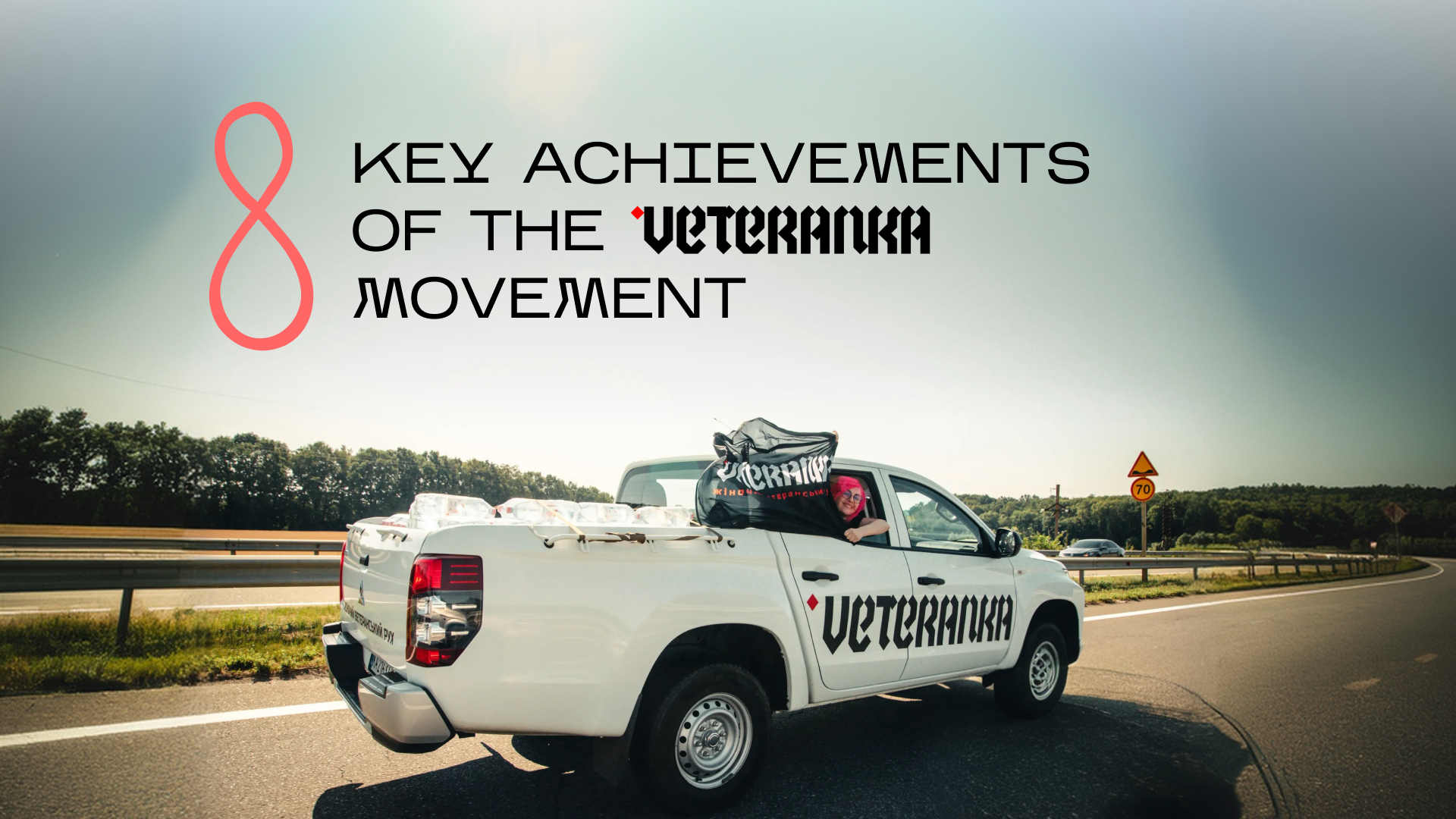 To Mark the 8th Anniversary of the VETERANKA Movement
 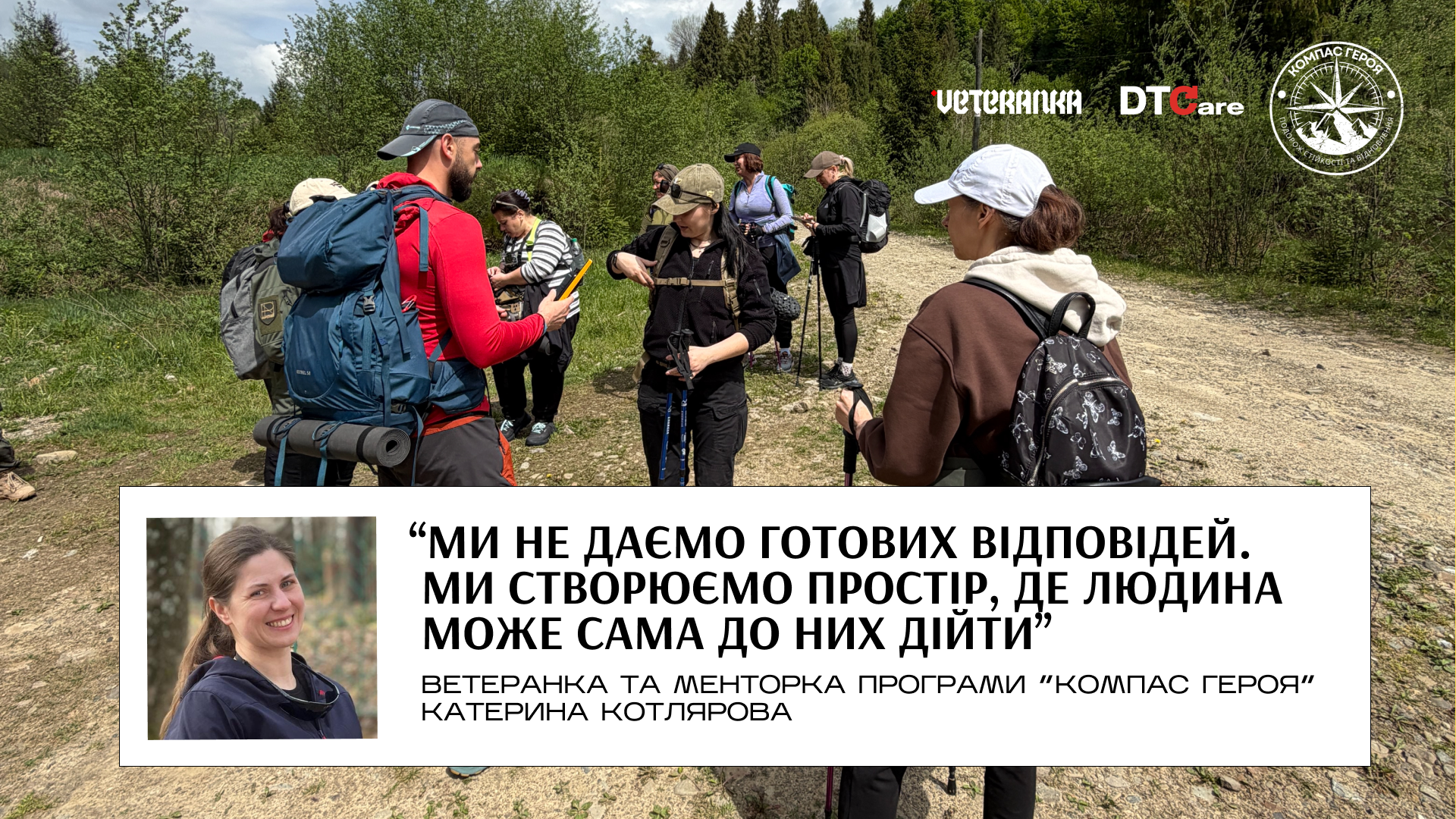 What Awaits Participants of the Hero’s Compass Adventure Counseling Program
 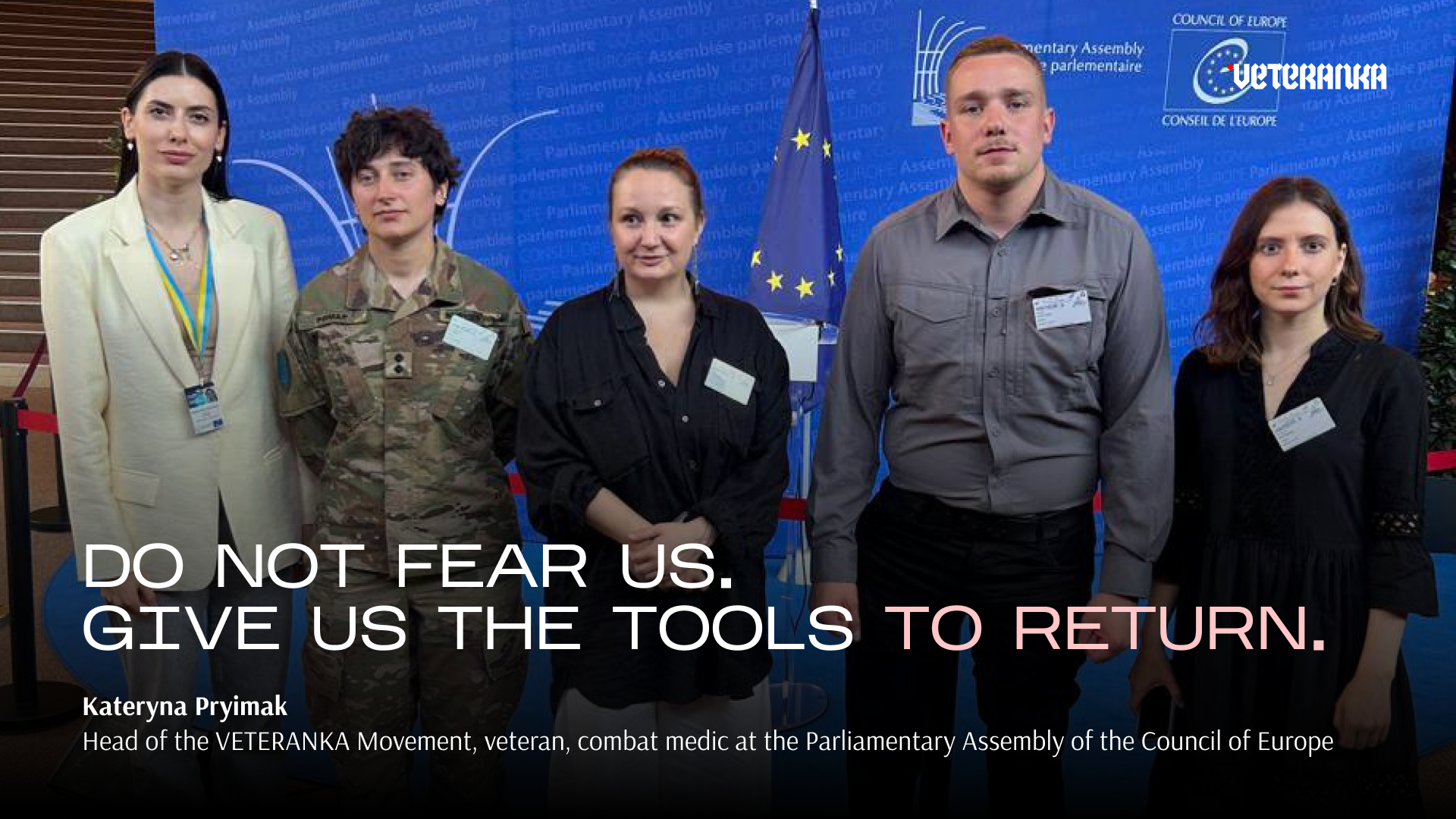 "Do not fear us. Give us the tools to return"
  “Life does not end after service — it becomes different”
  We strengthen evacuation efforts on the most difficult sections of the front and delivers the unique robotic complex “Maul”