“After my first discharge from service it was very hard. After the second — even harder”

Yuliia Shcherban has been a volunteer since the post-Maidan years, a combat veteran of the 120th Separate Territorial Defense Brigade, and today an activist of the Vinnytsia branch of the VETERANKA movement. She is also the head of the NGO Led by the Heart and the coordinator of a regional educational hub teaching the subject Defense of Ukraine.
For Yuliia, the war began back during the Revolution of Dignity. Even then, she clearly understood: Russia was trying to destroy Ukraine.
She has always had a strong civic position — she could not stay indifferent and consistently stood up for justice.
Yuliia joined the Armed Forces of Ukraine twice. During her service, she rose from a soldier to an officer. Today, a significant part of her life is dedicated to military training and educating motivated young people.
For the Tribe project by Amnesty International Ukraine, Yuliia speaks about returning to civilian life, why civic engagement keeps her afloat, and how important it is for every woman veteran to find her place after demobilization.
“Back in 2014, I knew: the war had begun”
“I started following the news from the Maidan. In early December 2013, I went to Kyiv for the first time to see everything with my own eyes. The atmosphere struck me — it felt different, filled with unity and uplift.
On February 20, 2014, I woke up with a clear realization: the war had begun. Fear. The first losses. The funeral of a Hero of the Heavenly Hundred, Maksym Shymko from Vinnytsia, affected me deeply. I knew I had to act where I was. Volunteer formations began to emerge, and we united with local AutoMaidan activists. We already knew that similar protests were happening across Ukraine. That’s how we joined the first volunteer initiatives to support the army.”
Four years of supporting the military
Since then, Yuliia volunteered and supported families who had lost loved ones in the war. At the same time, she pursued her second degree — in psychology. She began working in a military unit as a psychologist and later went to the front line.
“I needed personal experience to truly understand and help our soldiers.”
Beginning her military path as a UAV unit operator
In 2018, Yuliia signed a contract, and almost immediately her unit was deployed to the combat zone in Donbas. They were stationed along the front line from Mariupol to Stanytsia Luhanska — Krasnohorivka, Avdiivka, Shyrokyne.
She served as a signals intelligence operator, although she wanted to work as a psychologist. It was there that she first encountered sexism.
“At the time, the political officer believed I wouldn’t manage the position because I was a woman and supposedly lacked experience.”
During her service, Yuliia enrolled in a military department to become a military psychologist. Officer rank was required to hold that position. Her commander allowed her to combine service with studies. After her discharge, she completed all required training and in October 2021 received the rank of Junior Lieutenant.
The decision to return to civilian life
Over time, it wasn’t the front line that exhausted her the most, but the inner struggle between being a mother and a servicewoman.
“Constant rotations meant I had very little time for my children. My son was 12 when I signed the contract, my daughter only 5 — she needed much more attention. After long reflection, I decided to return.”
From service to teaching
After leaving the military, Yuliia was invited to teach Defense of Ukraine at a school. She became the only woman combat veteran teaching this subject in Vinnytsia region, combining real combat experience with education and work with youth.
“I have a degree in history — we studied the Holodomor, repression, the Executed Renaissance. I always knew Russia was trying to destroy Ukraine.”
The first day of the full-scale invasion
On February 24, 2022, Yuliia evacuated her children with her mother to a safe place and immediately joined the ranks of the 120th Territorial Defense Brigade in Vinnytsia.
From 10 a.m. on the first day of the full-scale invasion, she served as an officer responsible for military safety. The first two weeks were extremely hard — no sleep, no rest. Huge numbers of people wanted to join the Territorial Defense Forces.
She participated in forming and redeploying the first battalion tactical groups and other units.
Teaching youth after the second discharge
“If the first discharge was hard, the second one was even harder.”
Constant losses of friends, inner conflicts — as a soldier, as a mother, as an engaged citizen. After demobilization, Yuliia was often invited to speak with students about her service and share her experience. That’s how she returned to teaching Defense of Ukraine, this time for vocational school students.
Today, she works as a deputy director of an educational institution in Vinnytsia region and leads a regional hub for teaching Defense of Ukraine. She actively participated in reforming the subject at the national level and advocated for its renewal.
“I keep saying how important this subject is. I don’t want to train professionals for the enemy — we must train them for Ukraine.”
About the regional teaching hub
The hub has four instructors — all combat veterans, personally selected by Yuliia.
They teach the basics of military skills: tactical medicine, firearms training, use of military equipment. One of the key messages of the course is that everyone should know and be able to find their place in the country’s defense.
“I’m proud that from the very first group of students I taught, six teenagers joined the military — including two girls.”
Civic engagement helped with civilian adaptation
In civilian life, habits gained through service helped greatly: focus, responsibility, vigilance, clarity of action.
Today, Yuliia heads the NGO Led by the Heart, which she founded in 2021 to support her fellow soldiers. She also loves cooking and researching Podillia regional cuisine — it helps her stay grounded. She even has her own signature recipe for millet porridge with cherries.
She also co-organized a psychological support group for veterans, led by a psychotherapist. Yuliia herself practices as a psychologist in the group.
“At first, veterans share their pain. Then they begin supporting each other. We need more communities like this. There’s so much work to be done — and maybe that’s what helps us keep going.”
“We need to find — and create — veteran communities”
“My main advice to every woman veteran is to take care of your mental health. Don’t be ashamed to seek help from psychologists and specialists. Family support and communication within veteran communities are what give strength to move forward.
For me, the VETERANKA movement is about supporting one another — about sisterhood during service and after demobilization.”
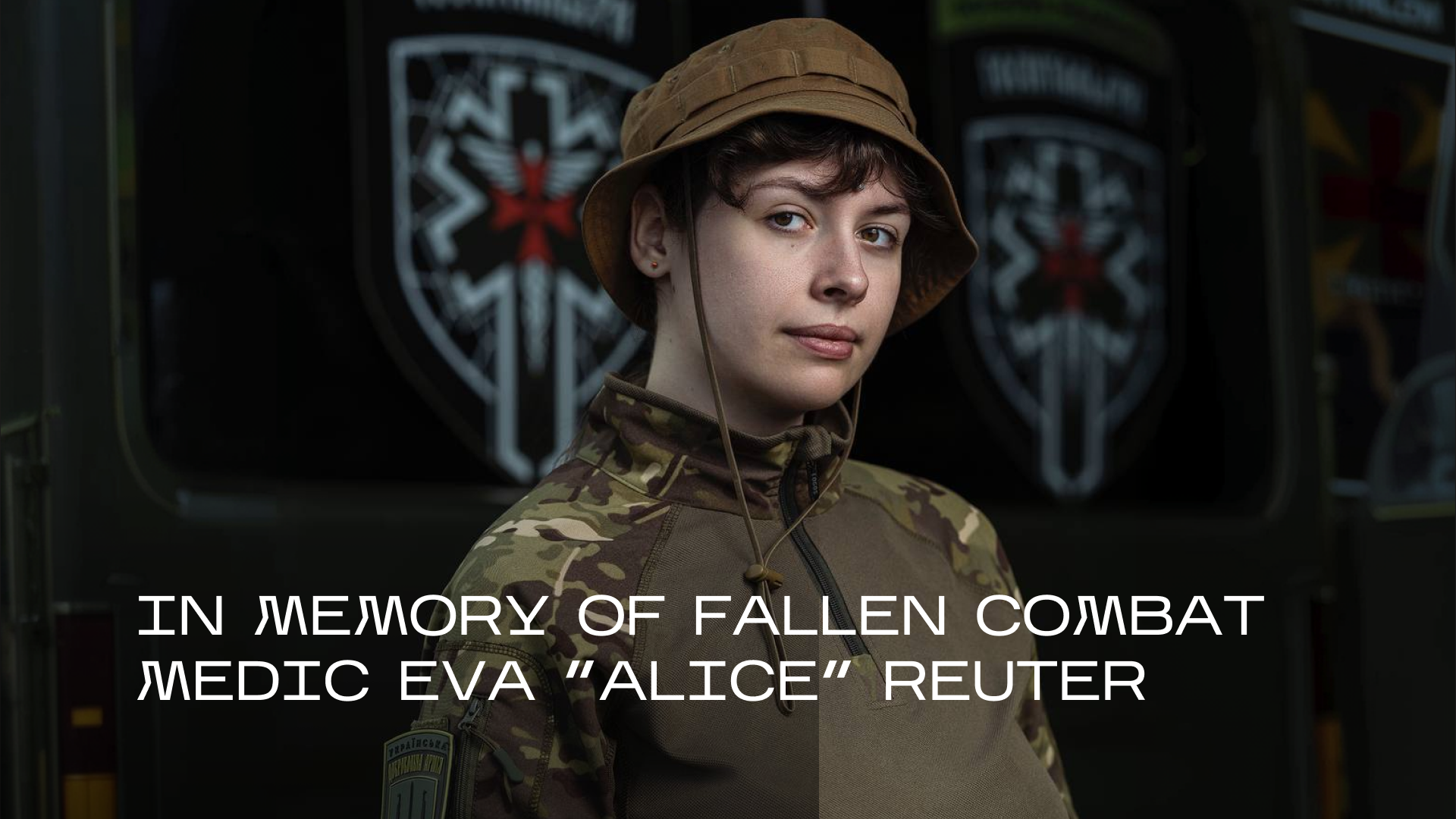 An art historian who became a combat medic, mastered drone repair, FPV drones, 3D printing, led international recruitment, and coordinated a major educational project
 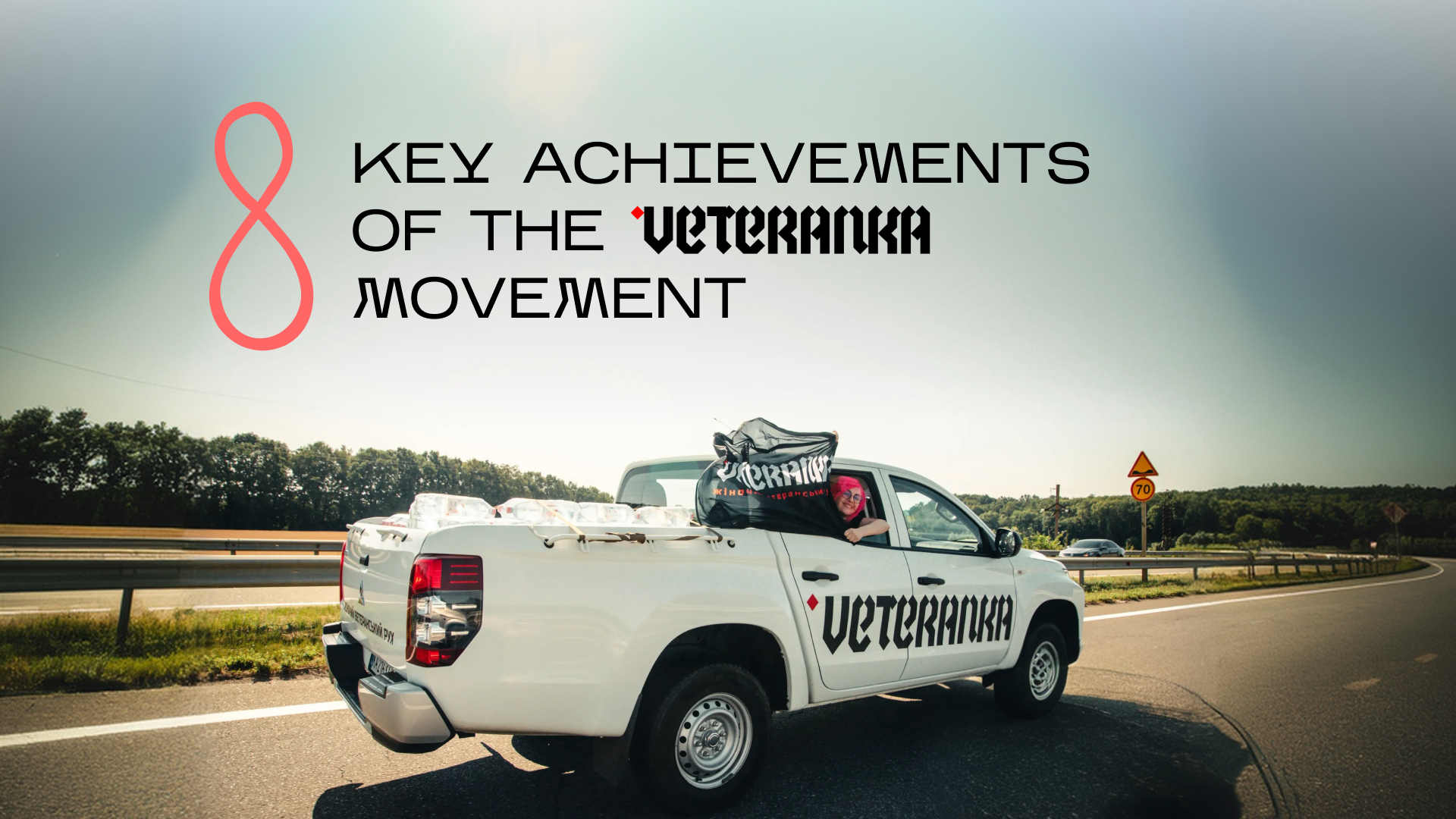 To Mark the 8th Anniversary of the VETERANKA Movement
 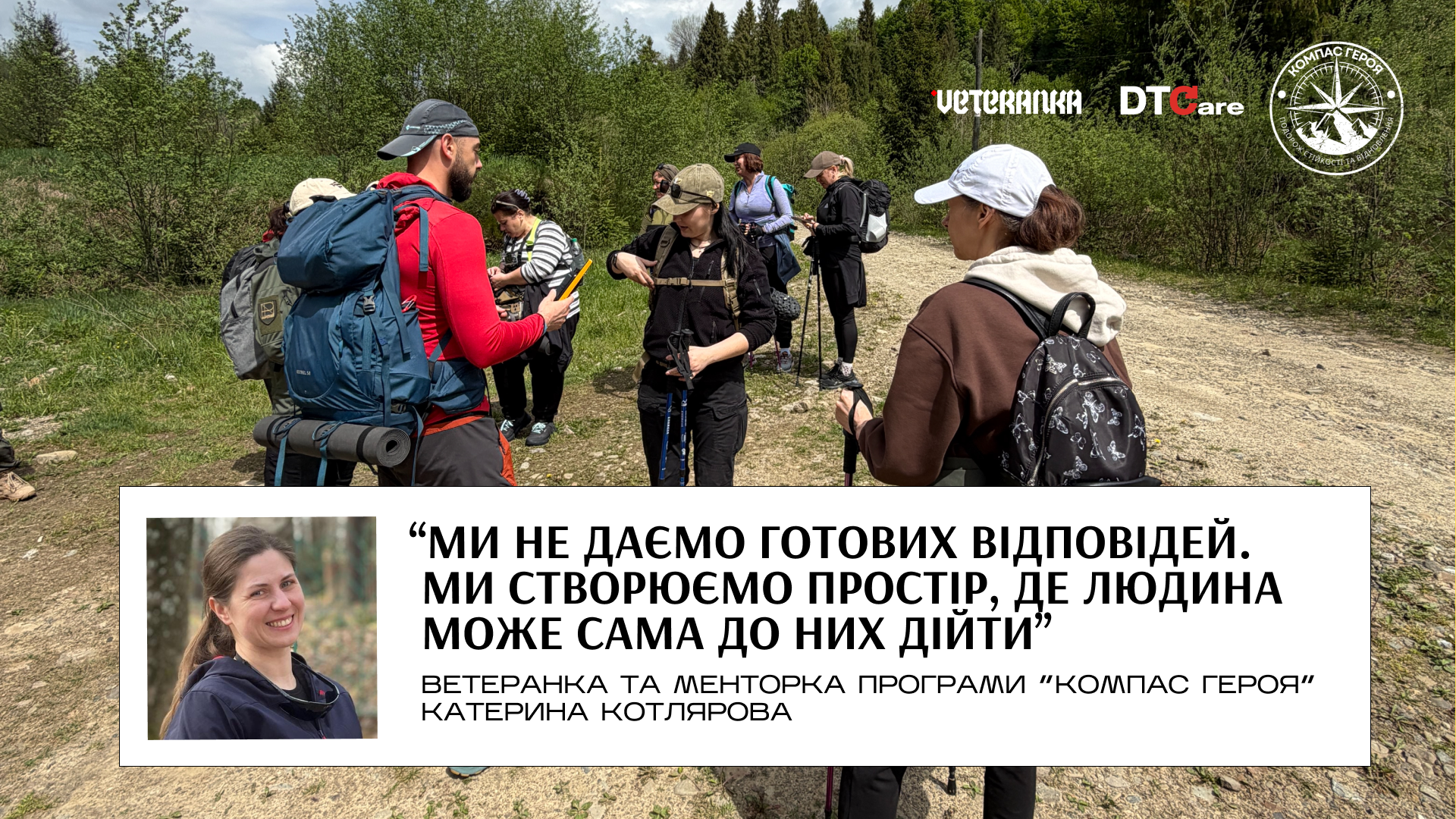 What Awaits Participants of the Hero’s Compass Adventure Counseling Program
 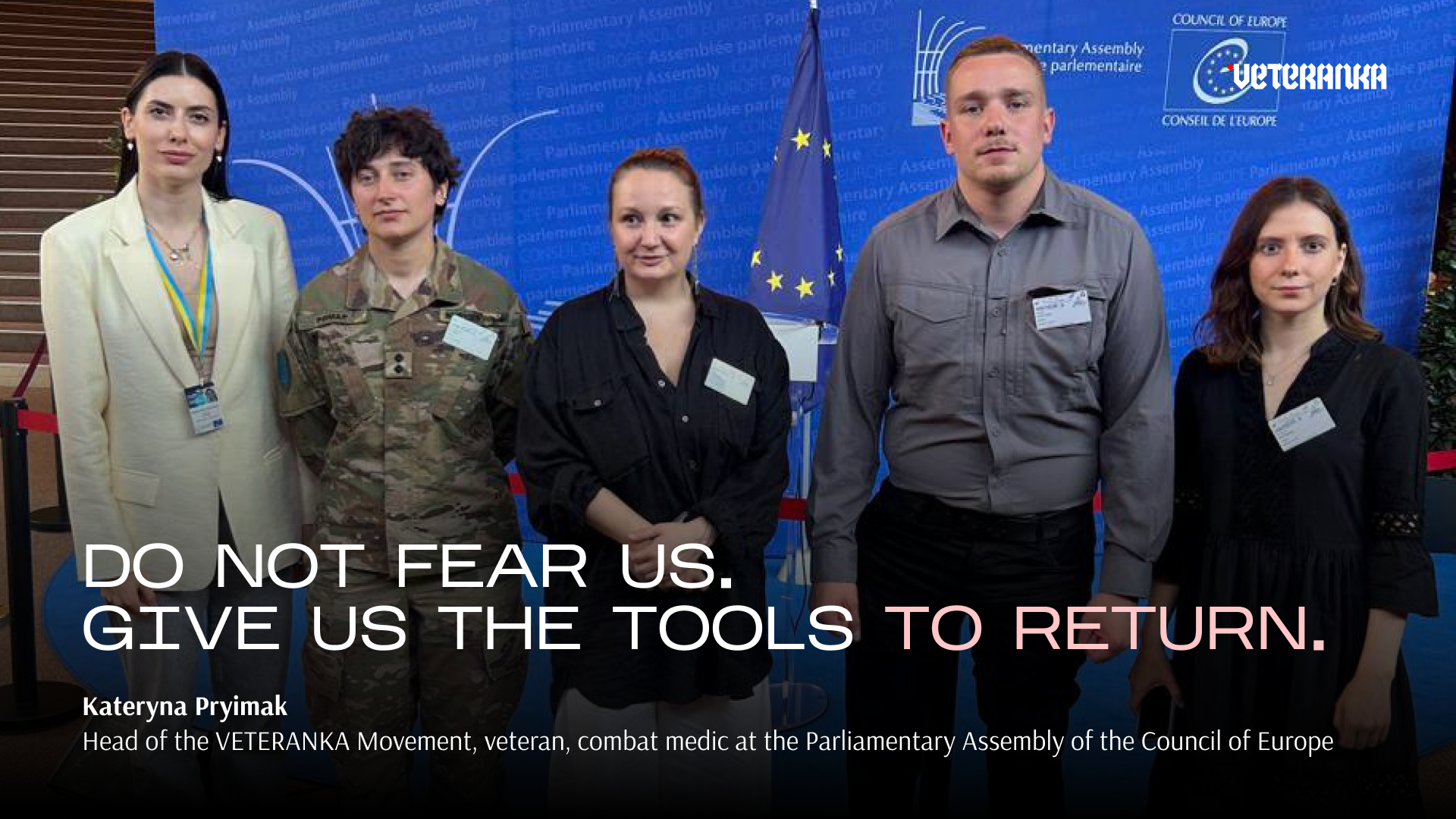 "Do not fear us. Give us the tools to return"
  “Life does not end after service — it becomes different”