The Right to Beauty, Body, Sexuality, and Femininity in War

In her original blog post for Veteranka, Nadia Haran, a sergeant in the Ukrainian Armed Forces, a simultaneous translator, and a liaison officer, helps us understand…
The increase in the number of Ukrainian women in the defense forces has illuminated two aspects of a new reality: equal rights and equal responsibilities in the army. The former is often waved away, while the latter is not scrutinized enough: they say, you want equal rights, and yet demand special treatment, and my favorite, “they themselves don’t know what they want.”
In my view, female soldiers have long made up their minds, but their voices are not heard amidst the noise of condemnation, stereotyping, and blatant mockery.
I will draw conclusions from my own experience and the experience of my sisters-in-arms. I cannot call these universal rules. The title is deliberately somewhat provocative: instead of “Does she have the right to this?” (right – a legal term), it is better to ask, “To what extent, in my opinion, is this appropriate in a war?”
Beauty is in the eye of the beholder
Beauty shouldn’t be standardized. I’ve often heard comments about what hair color suits me “better,” makeup rather than its absence, long hair instead of short, and so on. The beauty of a woman or a man is subjective: different people are attracted to different types of appearance. But evaluating someone’s beauty collectively is inappropriate. To avoid this, let’s ask ourselves: is my opinion solicited? More often than not – no. Giving compliments is usually appropriate for both boys and girls, but if in doubt – politely ask. It’s that simple.
Your body – your business. Anywhere. Always.
Every person has the exclusive right to their own body. This means that no one else can dictate what they do with it. Even in war. The fact that a woman doesn’t wear a bra because it’s comfortable for her – isn’t an invitation to pay attention to her. The fact that during leave, girls, like boys, can consume alcohol – isn’t consent for sex. The fact that a female soldier is friendly, courteous, and smiling – isn’t flirting. Women in the military aren’t “evil because they make men compete.” I served with NATO troops and can confidently say: treat women as professionals – and no one will “fight” for them. In cases where a woman doesn’t meet professional requirements – she shouldn’t be accepted into the ranks. However, then a large number of men who lack motivation, training, and professionalism will also have to be screened out.
Sexuality and Sexualization
Sexuality is a natural expression of desires. Sexualization, on the other hand, is the inappropriate attribution of a sexual image, especially in work-related contexts. Often, female professionals in the military are only seen as potential sexual partners and are encouraged to be such by others. The judgment of sexual expression is often disproportionate: a guy’s desire is considered “natural,” while a woman’s desire is labeled differently. We still have a long way to go to achieve equal treatment in this regard.
Femininity… what is it?
In different societies and eras, perceptions of “masculinity” and “femininity” have differed. Both are sets of social standards that have been imposed on people regardless of common sense, much like military labels. For example, “masculine” might mean having big muscles, short hair, technical specialties, while “feminine” may include long hair, dresses, makeup, and cooking skills. But all of these are stereotypes. Think about how often athletic girls are called “masculine” or guys with long hair are referred to as “girly.” The concepts of masculine and feminine are frameworks within which you’ll be either approved of or ridiculed. In reality, femininity is simply tied to being a woman. That’s it. Everything else – your appearance, income, hobbies, lifestyle – is your own choice.
Is it appropriate, in the end, to “be a girl” in the military?
The answer is simple: you’re a woman, and you can do whatever you want within the bounds of the law, just like a man. So what about beauty practices, for example? Is nail polish, makeup, or vibrant hair colors appropriate?
My experience as a sergeant has shown that any legal practices that help relieve stress and do not hinder the performance of duties are positive. If painting nails during breaks between combat shifts helps someone “reset” and work more effectively, it’s not a problem. If a guy, returning from observation duty, looks at himself in the mirror and applies beard-smoothing oil, that’s okay too.
However, if a woman or a man spends too much time on appearance rather than performing tasks, that’s a problem.
Imposing these practices is inappropriate; for instance, making fun of a woman for having unshaven legs in field conditions or not wearing makeup. Be prepared that a professional soldier is not obliged to look the way you prefer. If you want to know what a woman wants – it’s simple: don’t project assumptions, just ask her.
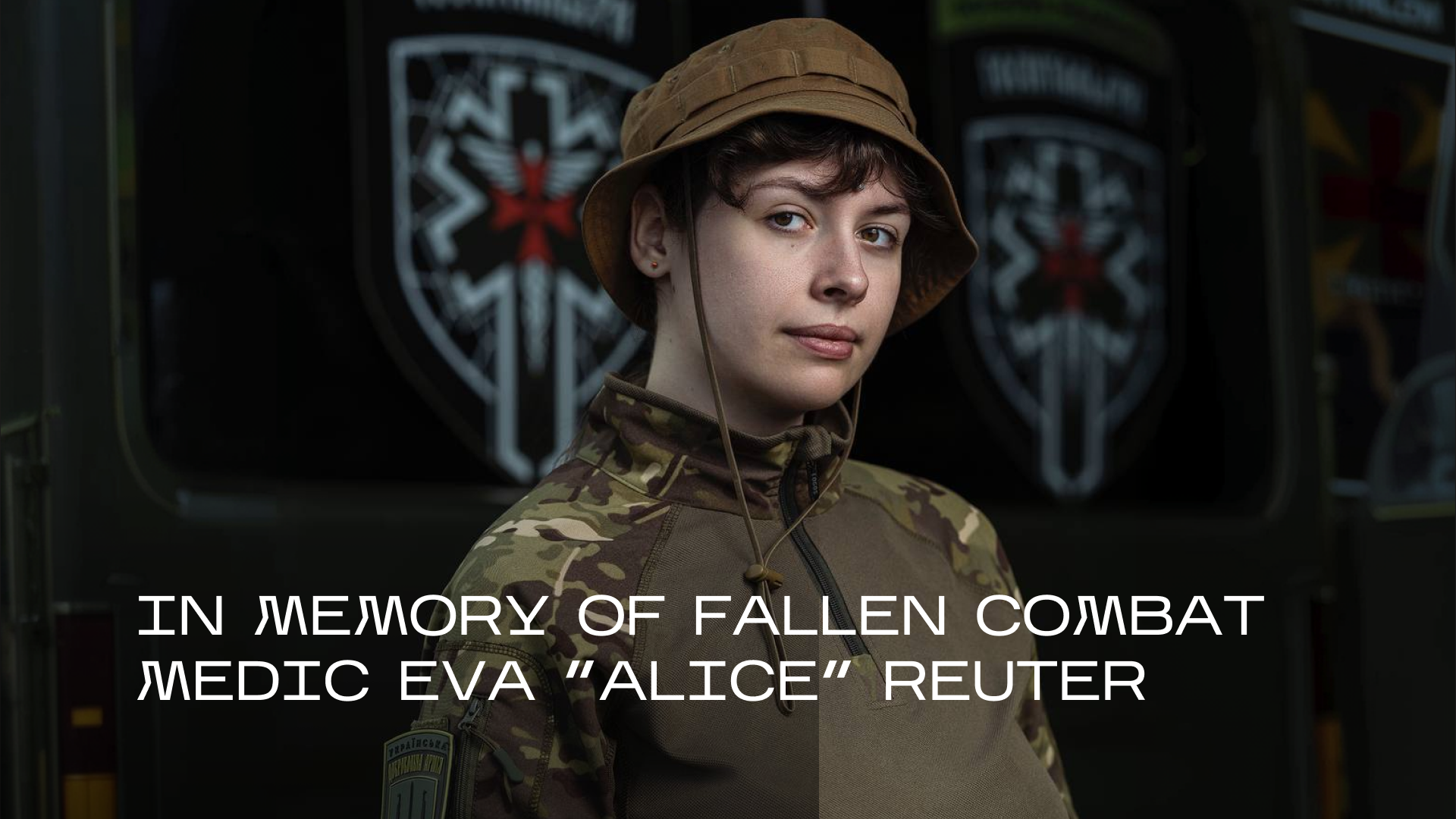 An art historian who became a combat medic, mastered drone repair, FPV drones, 3D printing, led international recruitment, and coordinated a major educational project
 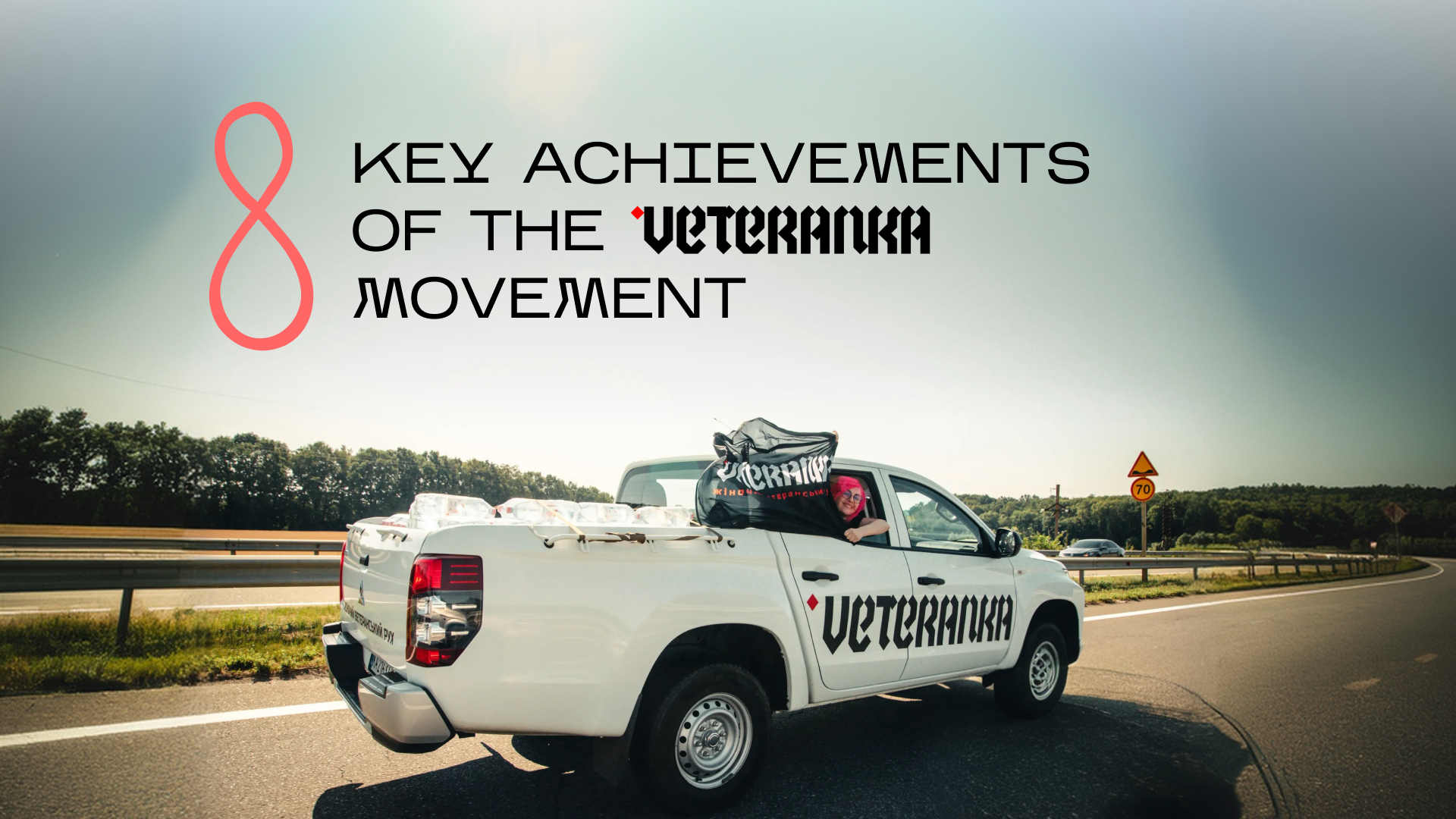 To Mark the 8th Anniversary of the VETERANKA Movement
 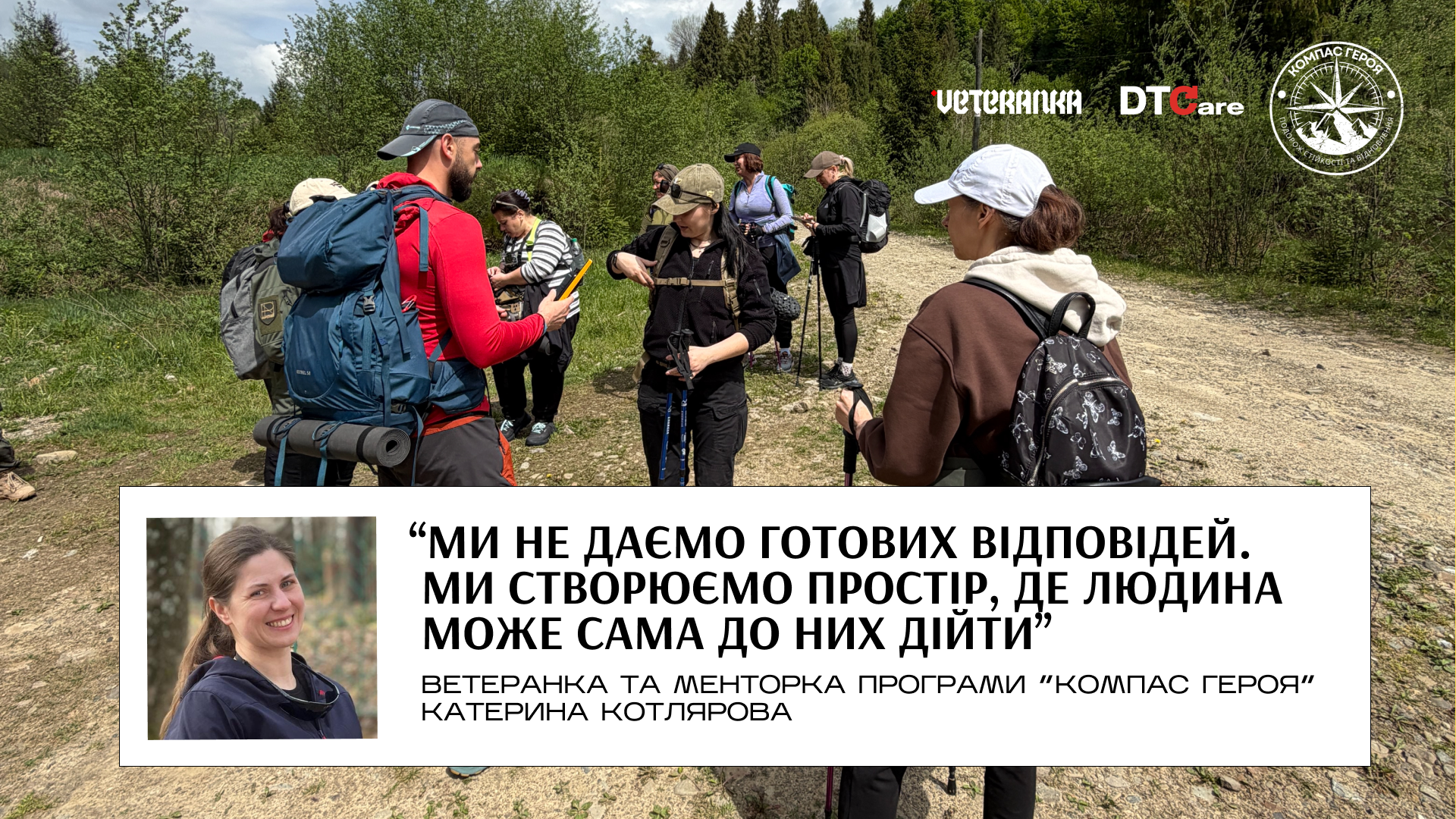 What Awaits Participants of the Hero’s Compass Adventure Counseling Program
 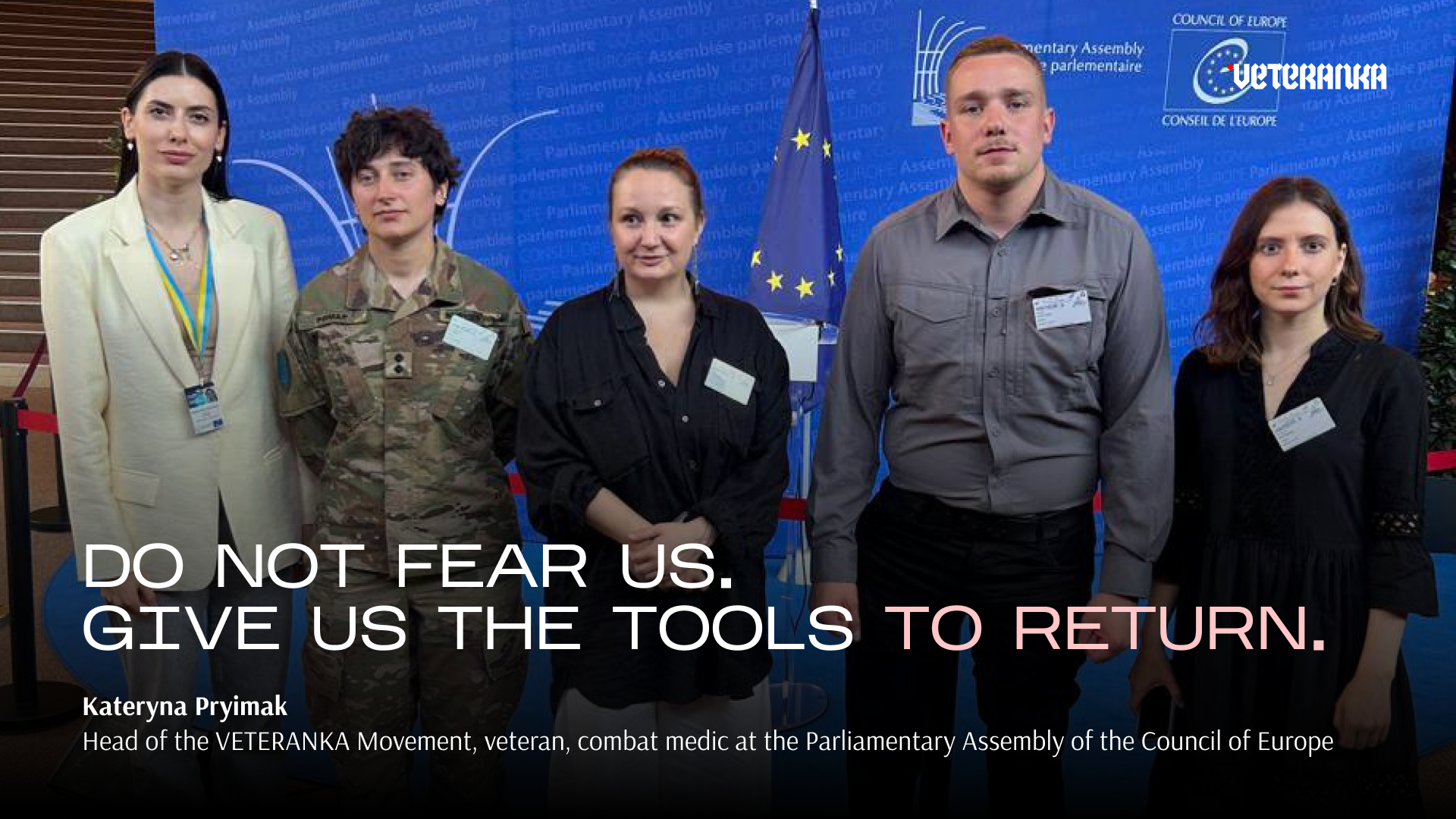 "Do not fear us. Give us the tools to return"
  “Life does not end after service — it becomes different”