Three Myths About Veterans' Psychotherapy

Stereotypes and widespread myths often prevent veterans from seeking help from therapists, psychologists, or psychiatrists. But these are just misconceptions — barriers that stand between people and real support and understanding.
Psychologist, biosuggestive therapist, veteran, combatant, and mother of two teenagers — Yuliia Skrypiuk — shares the truth behind the three most common myths about therapy.
Myth 1: “Veterans don’t need a psychologist — they can handle it themselves.”
The reality?
A psychologist is not a “pity listener” or a “life coach.”
They are a specialist who can:
- Listen without judgment or pity
- Recognize hidden cause-and-effect links between a person’s experience, behavior, and emotional reactions
- Help process stuck emotions like guilt, anger, or fear
- And most importantly — support the formation of new internal responses that help view the situation differently and regain a sense of inner stability
Why is this important?
After war, the mind often stays in survival mode — “fight, flight, or freeze.”
Reactions that were adaptive “over there” (like not trusting, shutting down emotions, or running on autopilot) become sources of conflict, isolation, and burnout in civilian life.
Myth 2: “Therapy doesn’t work — I’ve tried everything.”
Reality:
Every person’s story is unique. Just like not every weapon fits every task, not every form of therapy works the same for everyone.
Many veterans have tried “talking it out” or calming themselves down — and saw no result. But that doesn’t mean help doesn’t exist.
What’s really happening?
The mind’s defense mechanisms and cognitive control often block access to the deeper roots of pain.
People might talk about symptoms — but never get to the source.
That’s why methods that bypass conscious “armor” are especially helpful early on.
One such effective approach I use in my practice is biosuggestive therapy.
It helps to:
- Achieve deep relaxation
- Lower inner anxiety
- Create inner “quiet” to reconnect with oneself
- Activate the psyche’s natural self-regulation mechanisms
Myth 3: “All psychologists are the same.”
Reality:
A psychologist is not just someone with a degree. When working with veterans, what matters most is trust, shared experience, and the sense of being among “your people.”
In my experience, the “peer-to-peer” approach is the most effective. That’s when veterans feel safe enough to open up and allow themselves to trust.
Why does this matter?
- When a veteran sees the psychologist as “one of their own” — someone who understands military culture, silence, humor, and hierarchy — that’s when real trust begins.
- Often, there’s no need for long explanations. One look, tone of voice, or a few words are enough — and by the end, they say: “You’re my sister-in-arms. That’s all I needed to hear you.”
- In this kind of connection, it’s easier to define goals and start the healing process — because the inner barrier of “you won’t understand me” disappears.
A psychologist shouldn’t be above or outside the experience — they should walk beside. Because true healing begins with the feeling: “Here, I belong.”
This article is part of a project about the mental health of veterans returning to civilian life.
The project “Insight and Unity” is implemented by the NGO Women Veteran Movement within the GIZ program “Gender-Sensitive Approaches to Mental Health and Psychosocial Support in Ukraine,” funded by the German government.
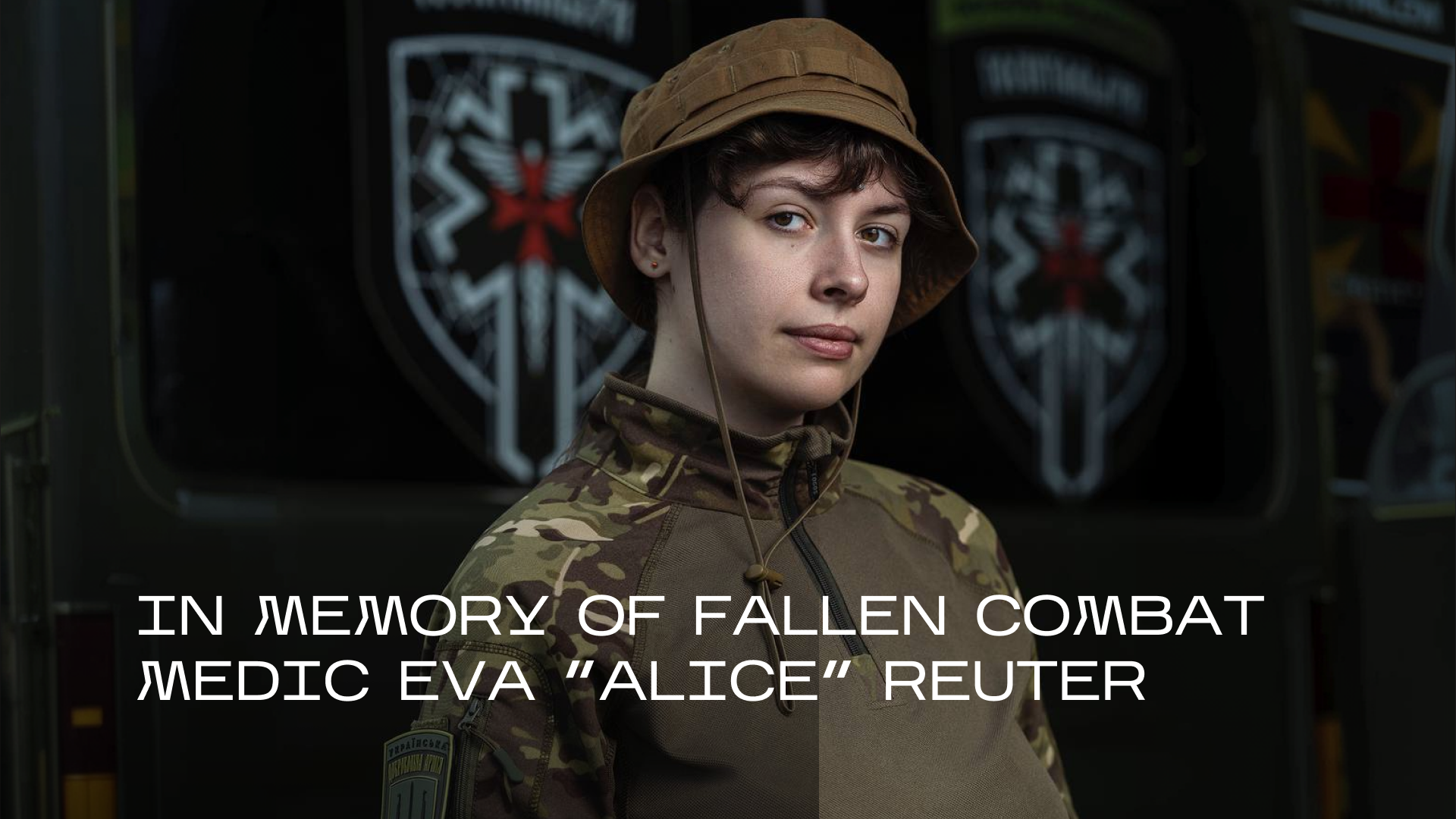 An art historian who became a combat medic, mastered drone repair, FPV drones, 3D printing, led international recruitment, and coordinated a major educational project
 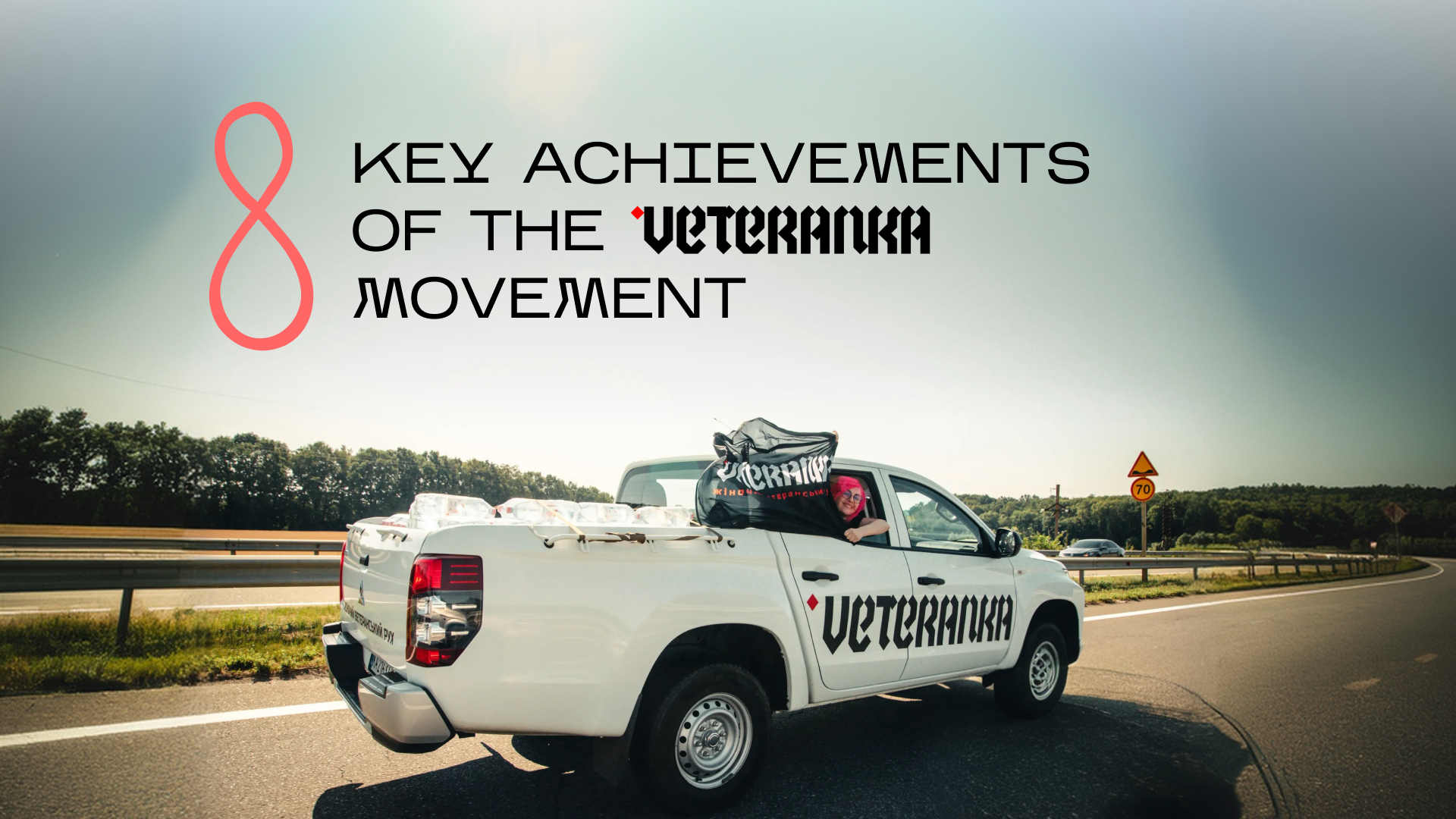 To Mark the 8th Anniversary of the VETERANKA Movement
 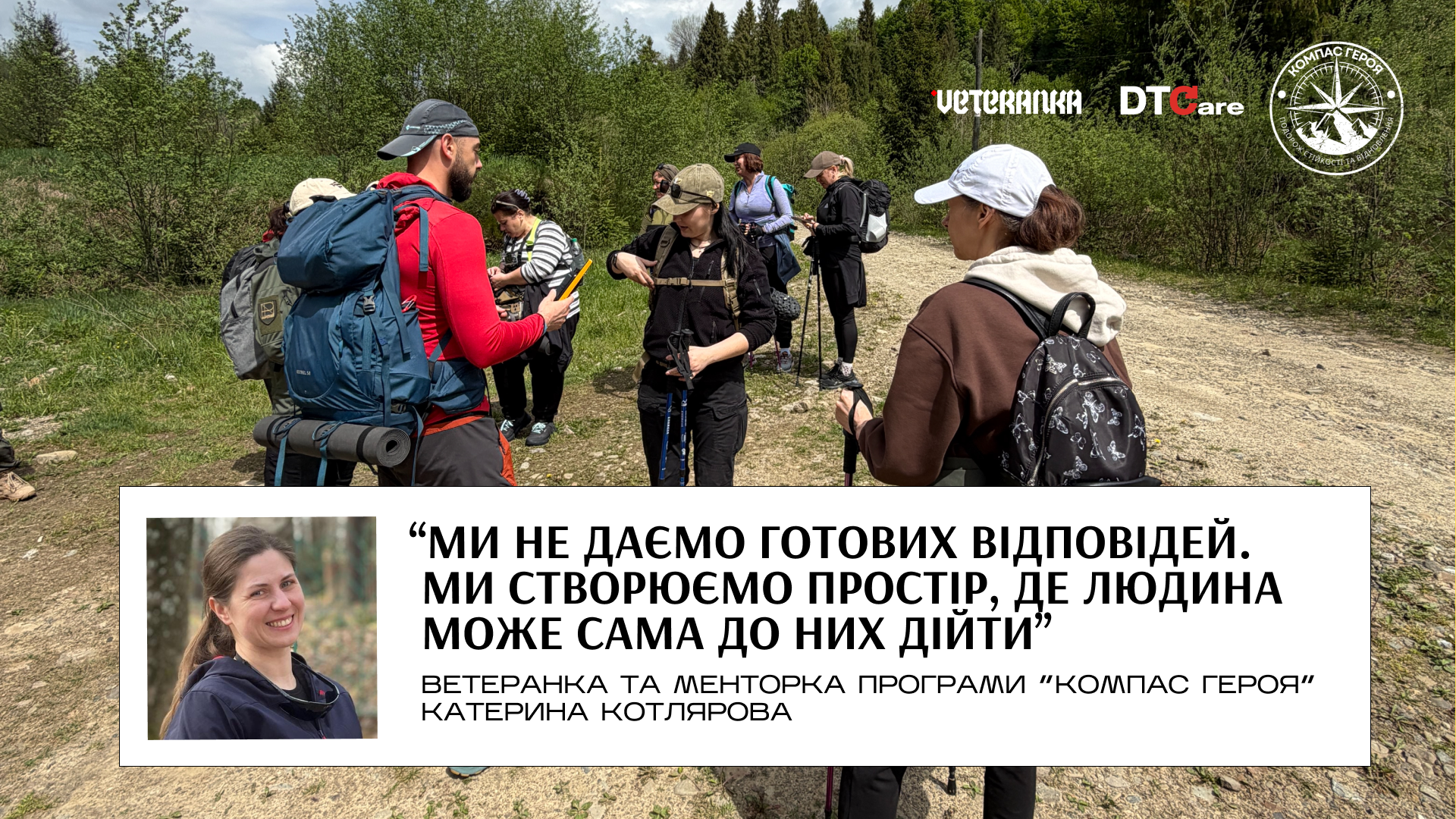 What Awaits Participants of the Hero’s Compass Adventure Counseling Program
 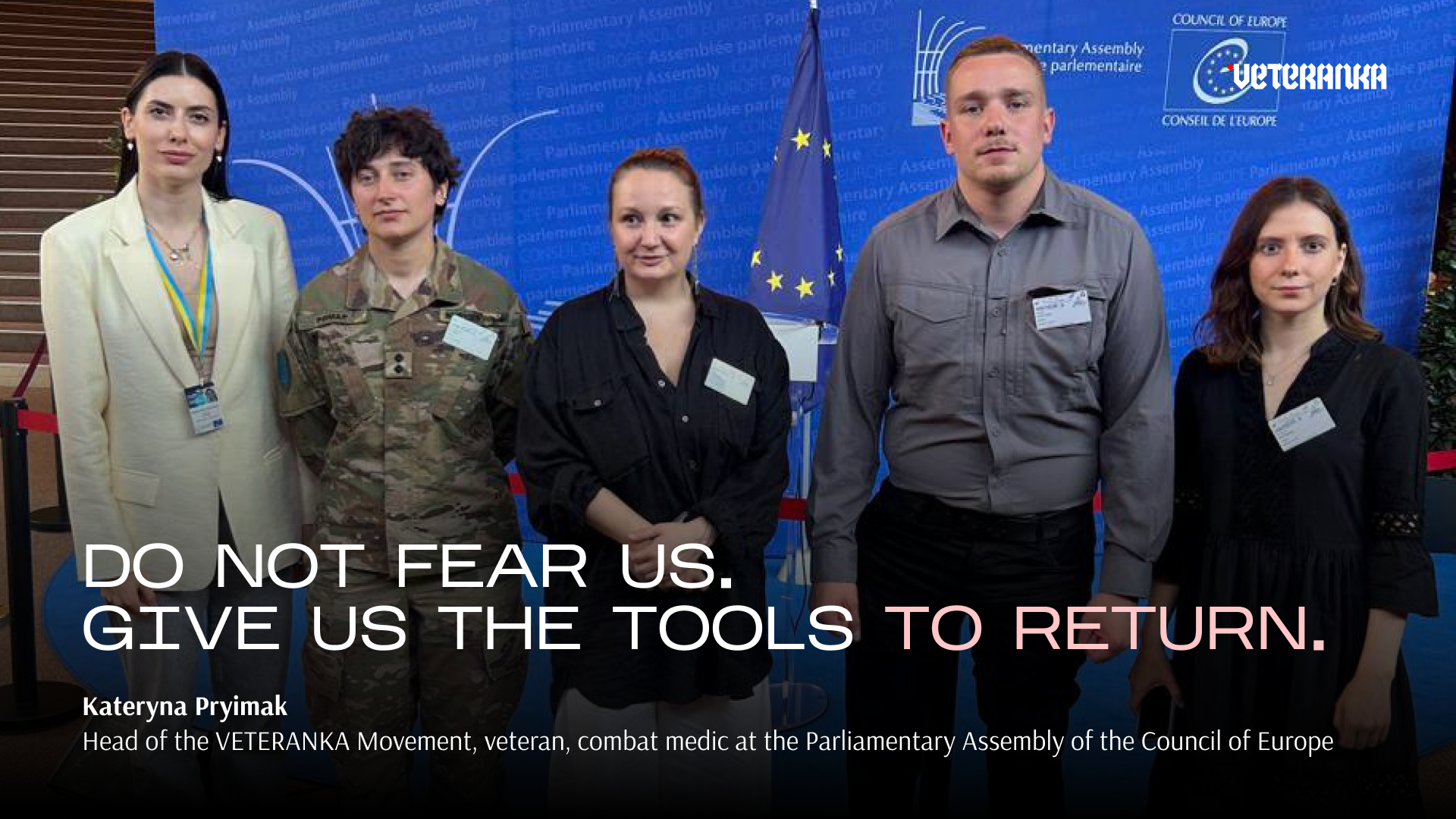 "Do not fear us. Give us the tools to return"
  “Life does not end after service — it becomes different”