Three stories about war. Madison Taff

The column “Three Stories About War” was created to share the experience of living through war directly in the combat zone and somehow reduce the distance between those who see war firsthand every day and those who are relatively safe in the rear.
The narrators of the initial materials were female military personnel who shared their personal experience of war from the front lines.
We believe it’s time to broaden the focus. War extends far beyond the battlefield and directly affects the lives and destinies of those in the front-line areas.
We asked documentary photographer and volunteer Madison Taff to share her own experience of working directly in the combat zone. Madison is a Canadian who came to Ukraine in 2023 to help evacuate civilians from the front line. She collaborates with the charitable organizations EastSOS and BaseUA.
Read below about innocence, resilience, and support in war.
1. On my first mission to Bakhmut in January 2023, our team’s task was to teach emergency first aid and provide drinking water to a family that refused to leave the city center despite constant shelling. While we did our work, half our team assisted on another mission outside the bunker where the family lived. As night came, we waited for their return. Our radios couldnt pick up a signal and they were over 45 minutes late… Quickly, a successful mission turned to fear that our friends could be killed and we may be trapped in Bakhmut overnight. I felt quite afraid, with a lot of doubt, sitting in the basement in my vest and helmet, listening to artillery fall while crows cawed from the doorway up the stairs. A young girl, no older than 11, parentless and trapped in this bunker, asks me “is your vest ceramic or steel?” A shocking question from a child who shouldnt know the difference. Overwhelmed by a loss of innocence, hers and my own – knowing that this war changes us all, we continued to wait. Thankfully our team eventually returned, but I left with the realization that it was just as likely that they may not have.
2. In late January 2023, our teams had been evacuating civilians in the Bakhmut area, specifically Vasiukivkha up until the day it fell to the Russians. We had been the day before and successfully removed a man named Alexander, while his friends stayed behind. We knew this day would be our last chance to get the few who remained. As we approached the town, we stopped to consult with the military when artillery stuck roughly 200m ahead of us. Quickly, we turned around and waited with the military medic team who told us we could follow them in once Ukrainian counterfire started. Around 10 minutes passed and our small convoy trugged through unspeakably muddy roads. At this moment, I realized the gravity of what we were about to do, and the serious danger ahead of us. I tighened my helmet, took deep breaths and put total trust in my team lead. At that moment our driver stalled the truck, and struggled to renegage the clutch. After a moment of silence in the vehicle, our lead shouted “fuck, turn around” and we aborted the mission. Understanding that even a slight hesitation could kill a team of four volunteers, we left… Leaving behind people who had no other way to eacape. I can only hope that they found another way, maybe the military took them, but ill never know.
3. Anatoli, an older man who had recently suffered a heartattack, lays in the back of our truck as we transported several people to the Prokrovsk evacuation train. He’s weak, but his mind is clear. In the front we have three women leaving Konstantinivka, and one is particularly afraid. She suffers from dementia and continues to forget who we are and where we’re going. Although immobile, Anatoli speaks to her, trying to calm her down and explains what is happening. I feel moved by his compassion despite being in such a frail state himself. Her eyes of tears, she grips her cane and trusts us to help. Later, after we moved him to the train, Anatolis health declined rapidly and we were forced to call EMS. I dont know if he survived the journey… But he showed how during even their darkest moments, people can show unbelievable kindness.
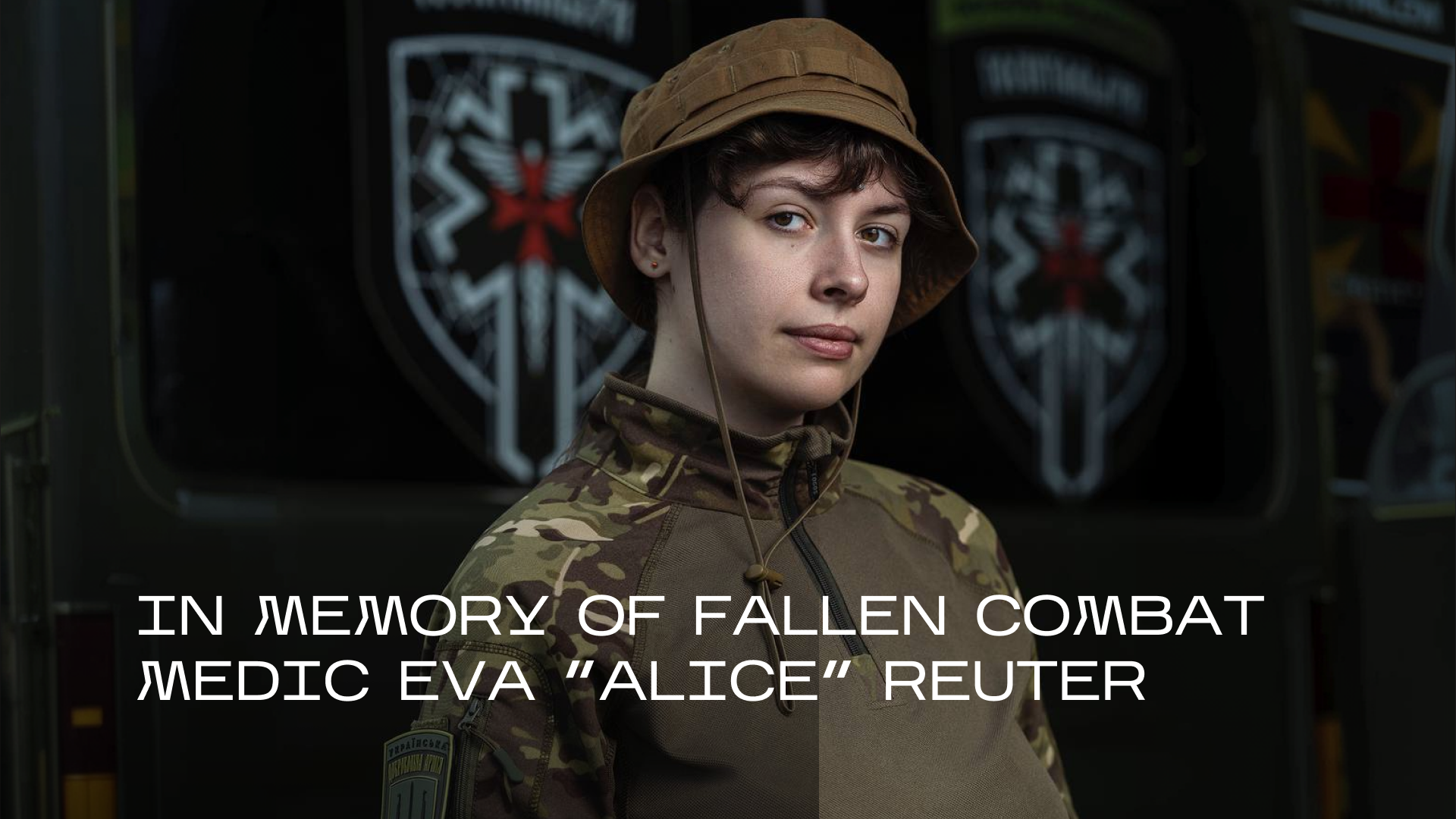 An art historian who became a combat medic, mastered drone repair, FPV drones, 3D printing, led international recruitment, and coordinated a major educational project
  To Mark the 8th Anniversary of the VETERANKA Movement
 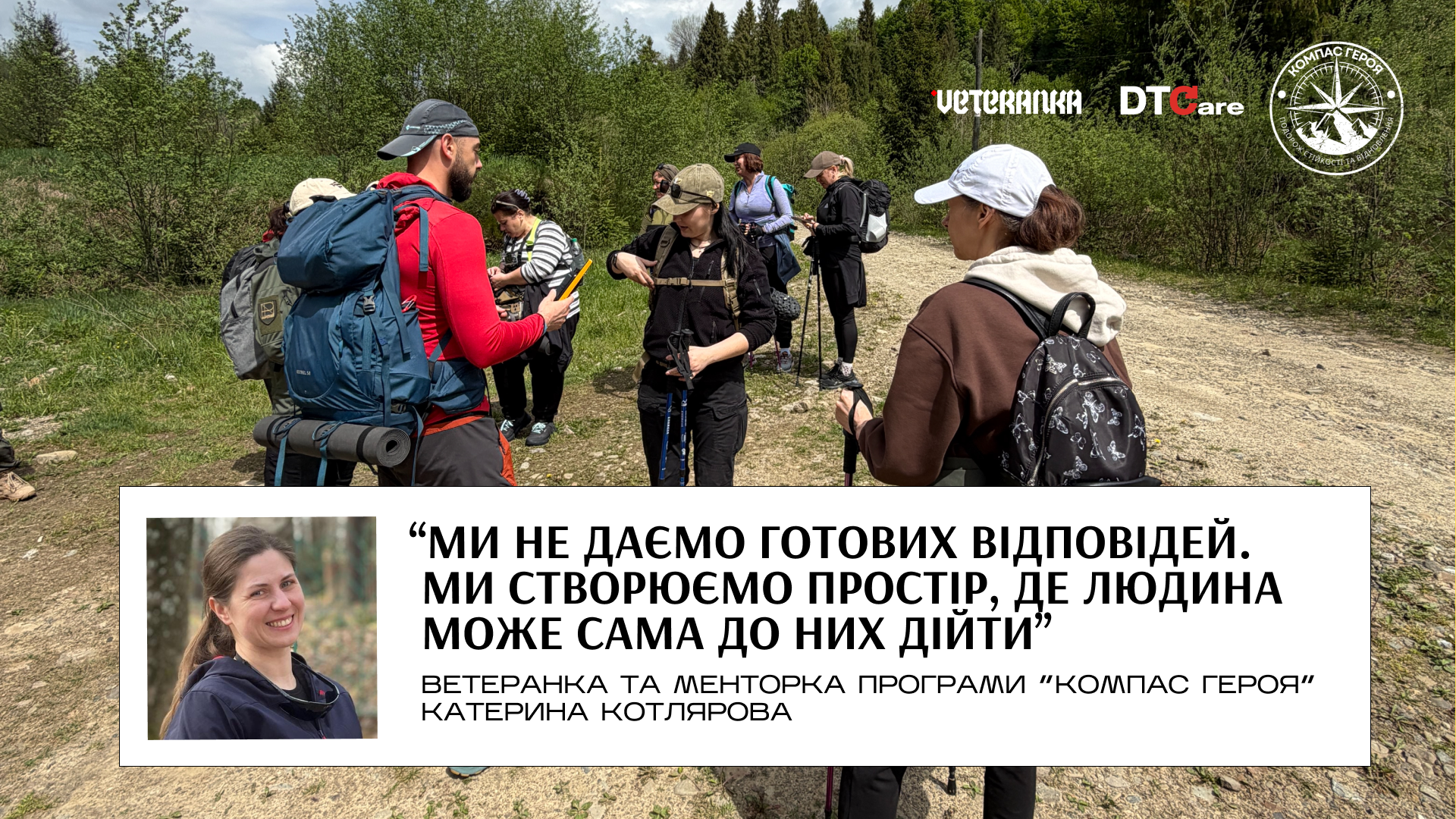 What Awaits Participants of the Hero’s Compass Adventure Counseling Program
 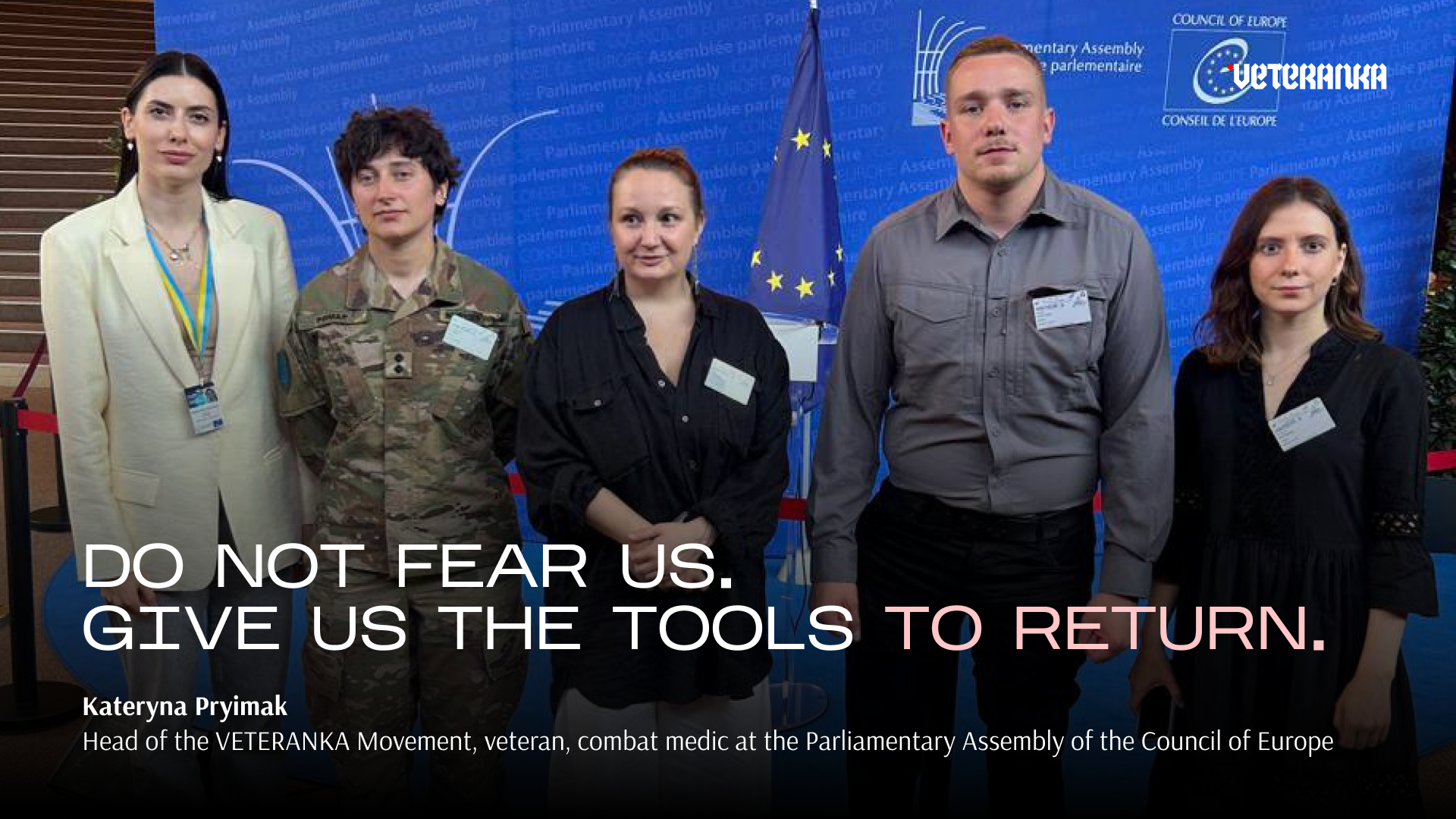 "Do not fear us. Give us the tools to return"
  “Life does not end after service — it becomes different”